Tea Traditions and Herbal Infusions Around the World
Explore how tea traditions differ across cultures and plan a relaxed, accessible gathering with familiar teas, optional herbal infusions, and conversation shaped by consent.
A compatible device voice is not available. You can still read this article on screen.
 Everyday Living
Detailed article
Use the text-size control at the top for larger text, or switch back to Easy Read at any time.
A cup, a pause, and a choice
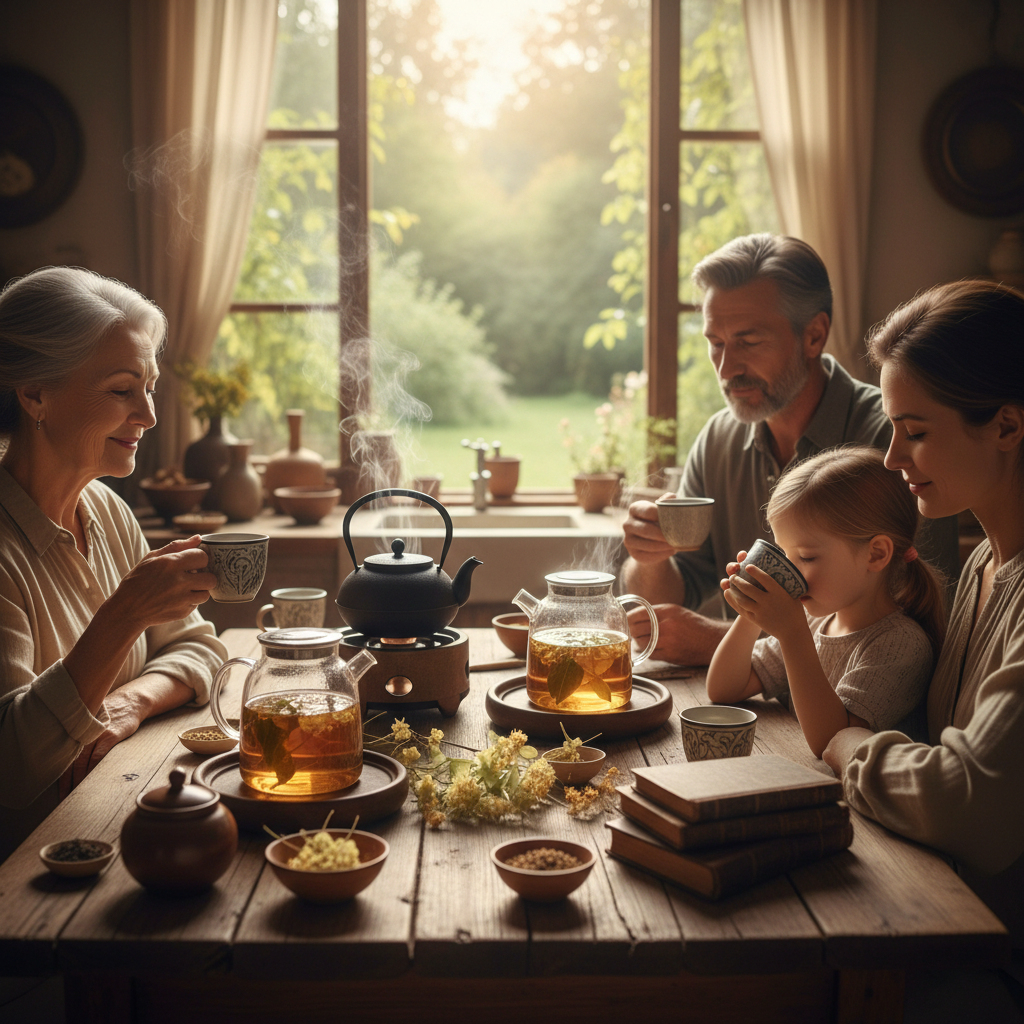
Tea can mark a welcome, a pause in the day, or simply a chance to sit together. The familiar act of warming water and choosing a cup gives a gathering a gentle shape, but there is no single correct way to share tea. Some people prefer strong black tea, others choose green tea, a caffeine-free infusion, coffee, or water. A hospitable table makes room for those choices rather than treating one drink as essential.
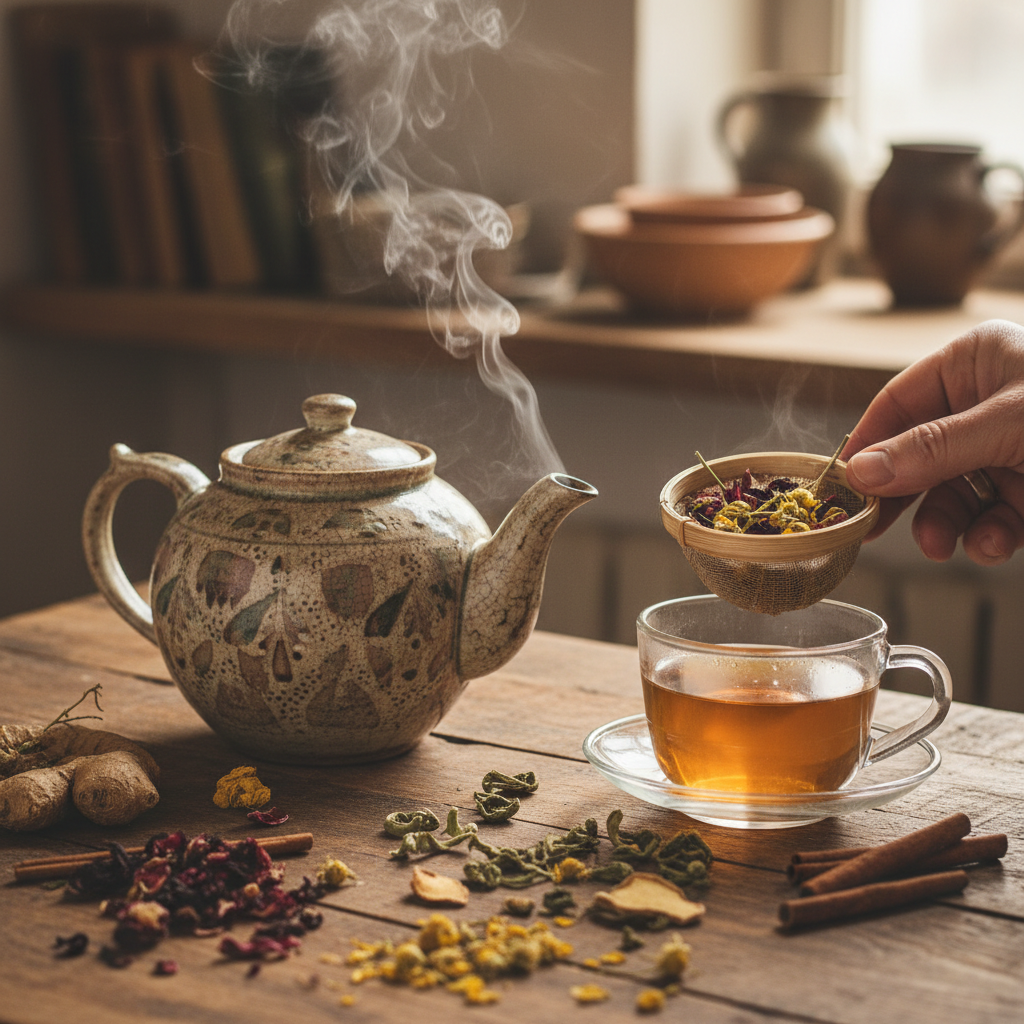
The word tea is often used casually for both leaves of the tea plant, Camellia sinensis, and infusions made from other plants, flowers, spices, or fruit. They are not the same ingredient. Black, green, white, oolong, yellow, and dark teas come from tea leaves processed in different ways; herbal infusions may contain one or several other ingredients. Labels help guests know what is in a cup, especially when caffeine, allergies, or medicines matter to them.
Traditions are many, not one
Tea customs reflect histories, local ingredients, hospitality, and changing daily routines. UNESCO describes Chinese traditional tea practices as including cultivation, leaf-picking, processing, drinking, and sharing. Its record names six broad tea categories and notes that tea appears in homes, workplaces, tea houses, restaurants, and temples. In that context, preparing and offering tea can welcome guests and connect family and community life.
Japan’s chanoyu offers a different example. The Metropolitan Museum of Art describes it as a codified practice centered on preparing and drinking powdered green tea, or matcha, in a specialized setting. The host’s preparation, chosen utensils, guests’ attention, and the space all contribute to the gathering. It is a studied tradition, not merely a set of decorative steps to borrow for an ordinary tea break. Learning about it respectfully means recognizing its depth and avoiding the idea that a casual home cup reproduces the ceremony.
In Britain, afternoon tea took shape in a particular social and economic history. The British Museum traces the custom to Anna Maria Russell, Duchess of Bedford, around 1840, when tea and a small refreshment filled the long interval between lunch and a later evening meal. The museum also describes how tea’s earlier popularity depended on costly imports and colonial trade, including tea grown in India and Sri Lanka under British rule.
Plan a relaxed tea gathering
A gathering does not need formal equipment or a large menu. Let guests arrive, leave, or rest without having to explain themselves.
Before anyone comes, ask what they would enjoy drinking and whether there are ingredients they avoid. Offer clearly identified choices, such as ordinary tea, a caffeine-free option, and plain water. Do not describe an infusion as a remedy or imply that it improves memory, sleep, mood, or health.
For brewing, follow the directions on the tea or infusion packaging because ingredients and products differ; avoid guessing at a medicinal dose or claiming that a longer steep makes a drink therapeutic. Set out stable cups that are easy to hold, and place them within reach. A light, level path to the seating area, comfortable chairs, good lighting, and a quieter room can make conversation easier. Consider a cup with a handle or a smaller serving if that is more comfortable; never assume what someone needs—ask discreetly. Keep hot water away from the edge of the table and pour for guests only if they want help. Allow drinks to cool to a comfortable temperature before serving. If lifting or pouring is difficult, someone else can prepare the pot, or the gathering can use a safer ready-to-drink alternative.
Keep food optional and uncomplicated. A biscuit, fruit, or small savoury bite can accompany tea, but guests may decline without comment. Check dietary preferences before preparing or buying food, and keep ingredient packaging available when relevant. Conversation itself can be the activity; there is no need for a game, a schedule, or a special performance.
Make the ritual personal without pressure
Small choices can make a repeated gathering feel welcoming. One week, a guest might bring a favourite cup; another time, someone might share the name of a tea they enjoy or choose the music. If conversation slows, a simple prompt can help: “What makes a comfortable afternoon for you?” or “Is there a drink you remember enjoying?” A question is an invitation, not a test. People can answer briefly, change the subject, listen, or pass.
If you want to explore tea traditions, choose one reliable museum or cultural source and read about the practice in its own context. Notice differences in ingredients, serving vessels, occasions, and etiquette without assuming that a tradition belongs to every person from a country or background. If a guest shares a family custom, let them decide how much to explain. Curiosity works best when it is respectful and specific rather than asking someone to speak for an entire culture.
Herbal infusions and sensible caution
“Herbal” does not automatically mean suitable for everyone or free of effects. For example, the US National Center for Complementary and Integrative Health says chamomile is likely safe for most people in amounts commonly found in foods and teas, but allergic reactions have occurred, particularly among people allergic to related plants. It also reports possible interactions with some medicines. The NHS similarly advises checking with a pharmacist before using herbal medicines alongside prescribed or over-the-counter medicines. These cautions concern individual circumstances and products; they are not a reason to make broad claims about every cup of tea.
When an infusion is being considered for a medicinal purpose, or a guest has an allergy, takes regular medicines, or is uncertain about an ingredient, do not guess. Encourage them to check with a pharmacist or their healthcare professional and respect their decision to choose something else. A host does not need to collect private health details; simply make alternatives easy to request.
Let stories emerge—and keep them only with permission
A familiar aroma or a shared pause may bring a memory to mind, but nobody owes the group a story. If someone chooses to talk about a recipe, a relative, or an earlier home, listen without correcting small details or pressing for more. Memories belong to the person sharing them. They may prefer that a story stays in the room.
A notebook can help a host remember which teas guests enjoyed, but avoid recording personal details without asking. If someone suggests making an audio recording or preserving a family recollection, first explain what would be recorded, who could hear or read it, and where it would be kept. Ask for clear permission before starting; make it easy to stop, decline, or later withdraw permission. Do not make participation or a recording a condition of being welcomed.
The lasting value of a tea gathering need not be measured by how much was served or remembered. A comfortable chair, a choice of drink, and time to listen can be enough. Let the ritual fit the people at the table, and allow it to change from one visit to the next.
Sources and Further Reading

Reading path
Continue this topic
Browse the reading paths for another gentle place to continue.
“Thank you for sharing this quiet moment of reading with us.”
Every piece in the MemContinuity library is preserved to spark gentle conversations, honor generational memory, and support the health and comfort of our families.
MemContinuity editorial team
MC-LIVING-20260821-041 · Publication archive reference
Cross-device reading sync
Sign in to your MemContinuity account to optionally sync your article reading progress across your phone, tablet, and computer.
Themes & topics
Editorial guidance & care
Our publications are designed to be practical, gentle, and respectful. For specific medical, mobility, or travel arrangements, we recommend consulting local providers or relevant municipal services.
Related publications
 Everyday Living
The Art of Quiet Baking and Shared Loaves
The meditative rhythm of kneading dough, waiting for fermentation, and placing a warm loaf on a neighbour's table.
 Everyday Living
A Calm Start to Staying Connected Online
Removing frustration from tablets and smartphones, focusing on video calls, family photos, and clear digital routines.
 Everyday Living
Indoor Herb Gardening on a Sunny Windowsill
Cultivating basil, thyme, and rosemary pots brings fresh greenery, fragrant aromas, and garden joy into any apartment kitchen.
Share the story
Family discussion cards
Take one card at a time. There are no right answers—only memories worth hearing.
What memory did this article bring to mind?
Who in the family might have a story or photograph to add?
What is one small thing we could save, share, or do next?
A quiet conversation can be a meaningful family keepsake.
Subscribe to MemContinuity Publications
Receive thoughtful reflections, local heritage guides, and slow travel stories delivered directly to your inbox. No spam, privacy respected.