The Art of Quiet Baking and Shared Loaves
A gentle guide to making bread at an unhurried pace, adapting the work to different abilities, and sharing a loaf thoughtfully and safely.
A compatible device voice is not available. You can still read this article on screen.
 Everyday Living
Detailed article
Use the text-size control at the top for larger text, or switch back to Easy Read at any time.
The quiet rhythm of baking together
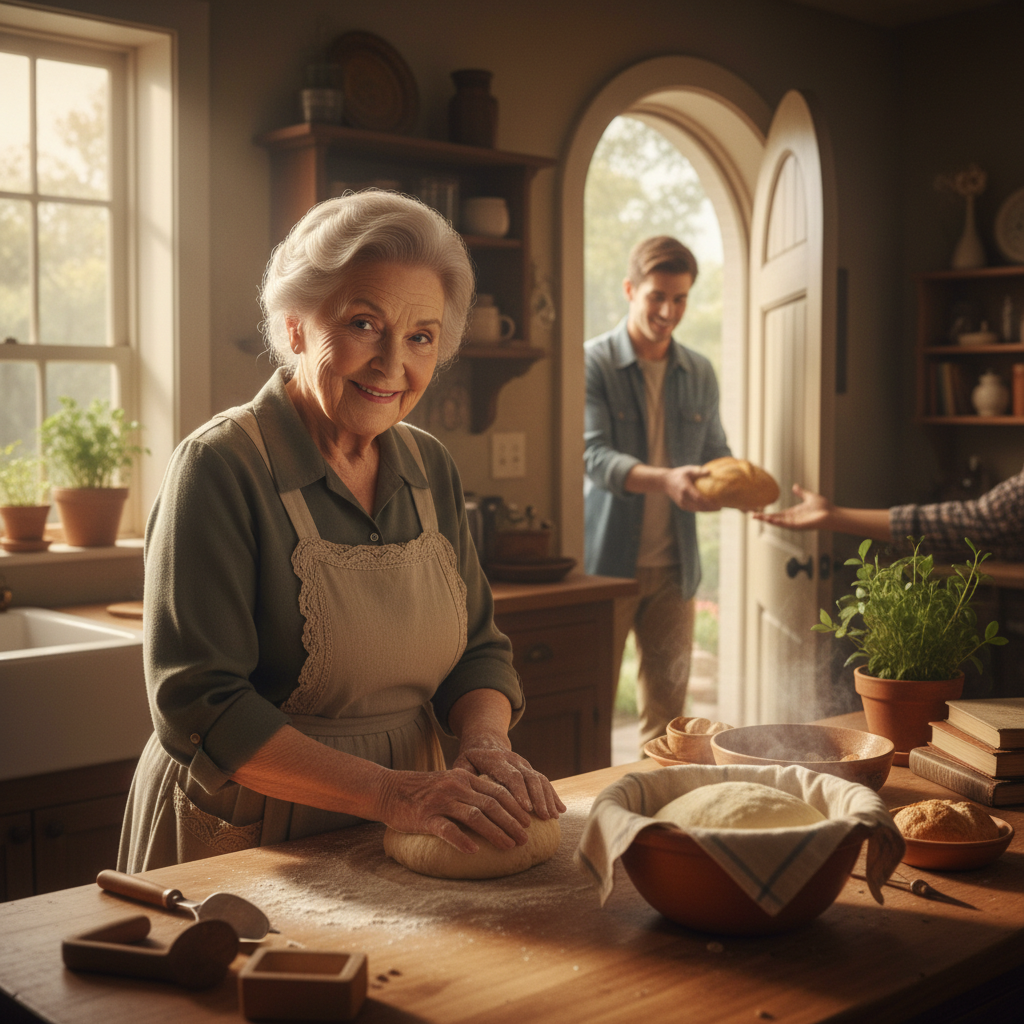
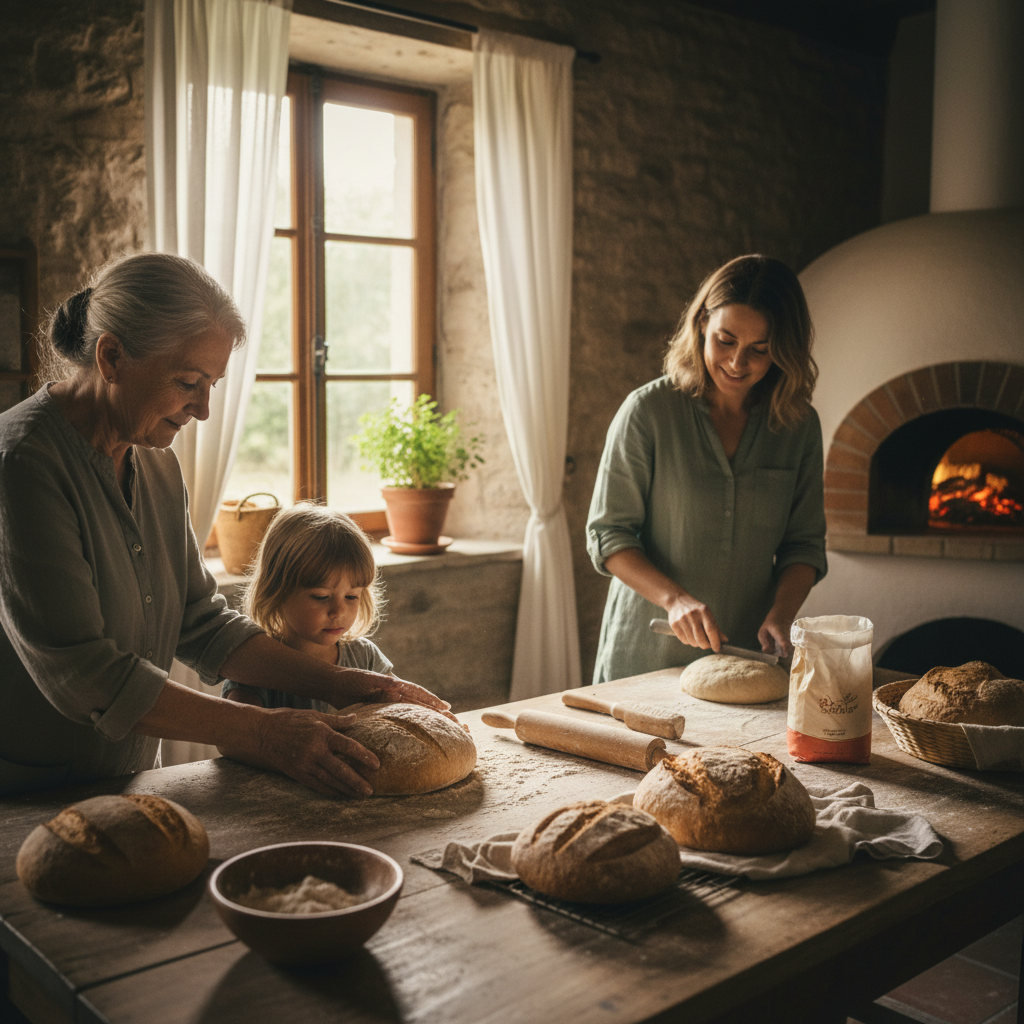
Making bread can turn an ordinary afternoon into a shared activity with a clear beginning, a pause while dough rests, and a simple result to enjoy or give away. The pleasure need not depend on a perfect crust or a complicated recipe. Mixing, noticing the dough change, and deciding together what to do next can provide a relaxed setting for conversation across generations. It is a pastime, not a treatment for loneliness or a promise of better memory; people may simply enjoy the company, the smell of baking, or the satisfaction of making something with their hands.
Sourdough is one option, but not the only one. A straightforward loaf made with commercial yeast, flatbread, rolls, or a familiar family recipe can be easier to plan. A sourdough starter is a mixture of flour and water in which naturally occurring yeasts and bacteria ferment. It needs regular feeding and time, so it suits people who enjoy an ongoing kitchen ritual. A one-day recipe may fit better when energy or schedules vary. Choose a recipe with clear, dependable instructions, and make the gathering about the process rather than judging the result.
Plan a gathering that feels manageable
Before inviting anyone, ask what they would enjoy and what would make participation comfortable. Offer choices: mixing, measuring, reading the recipe, shaping dough, setting the table, telling a story, or simply watching. No one needs to explain a health condition or prove a memory. A person may change their mind or take a break at any point. If someone prefers not to handle food, they can still be part of the conversation.
Set out only the ingredients and tools needed for the chosen recipe. A stable work surface, a clear path, good task lighting, a sturdy chair, and tools that are easy to grip can make the activity more comfortable. Keep hot ovens, trays, and boiling water to the designated baker or another person who wants and is able to handle them safely. Agree in advance who will do each warm or heavy task. A shorter session can work well: prepare the dough together, then let it rise while guests rest or talk, and finish the baking later if needed. Fermentation and rising times vary by recipe, room conditions, and starter strength, so treat timings as guidance rather than a test.
A simple plan might be: choose one recipe; gather the ingredients; divide tasks; decide when to pause; and agree how the bread will be shared. If schedules do not align with the dough, bake ahead and invite everyone to shape rolls, prepare a table, or taste the finished loaf. The important part is a welcoming activity, not synchronising every step.
Working with dough at an unhurried pace
For a sourdough loaf, begin with a starter that is being maintained according to a reliable recipe. Colorado State University Extension advises clean equipment and surfaces, handwashing, quality ingredients, and keeping the starter loosely covered so gas can escape. Starter requires fresh flour and water at regular intervals; refrigeration can lengthen the time between feedings for an active culture, but it does not remove the need to maintain it. A jar with room for the starter to rise and a simple date label can make the routine easier to follow.
Do not taste uncooked dough or starter. Flour is a raw agricultural product and should be cooked before it is eaten. When a starter is active, bubbles, expansion, and a pleasantly tangy smell are useful observations, but a smell alone cannot establish safety. If you see coloured or fuzzy mold, do not try to rescue the starter by scraping the surface or feeding it. Extension guidance is to discard a moldy starter and clean the container thoroughly before starting again. Follow the tested recipe’s proportions and fermentation instructions rather than improvising a timetable, particularly when the mixture contains ingredients beyond flour and water.
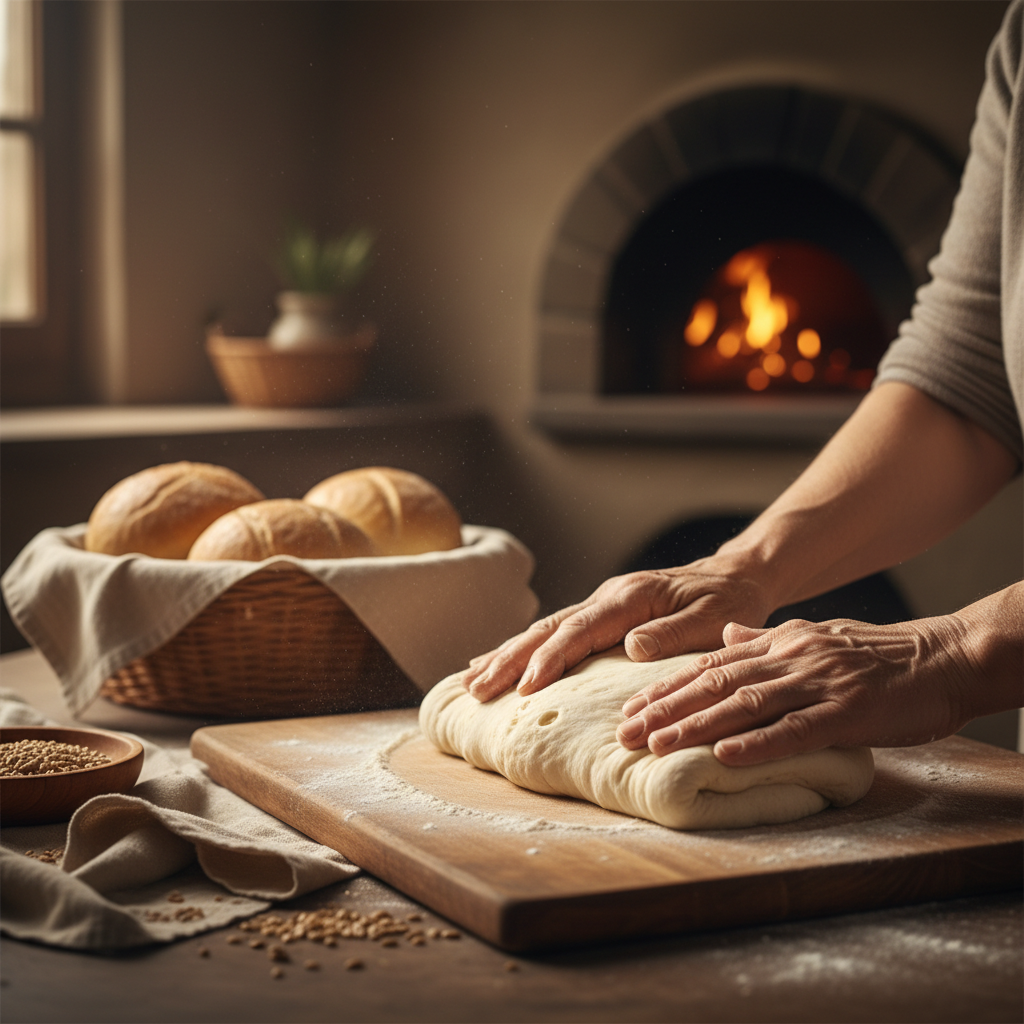
If kneading or folding is tiring, another person can take over, or choose a no-knead recipe from a reputable source. A spoon, lighter bowl, or pre-measured ingredient may make participation easier; giving directions is also a useful role.
Share the loaf thoughtfully
Ask before offering food, and mention the ingredients rather than assuming that everyone can eat it. Bread commonly contains wheat; recipes may also include milk, eggs, nuts, seeds, or other ingredients that matter to a recipient. If you are uncertain about an allergy or dietary restriction, check with the person or household and do not guess. Keep the loaf separate from foods that could introduce unwanted ingredients, and use clean hands and utensils when slicing or packing. A small note listing the main ingredients and the baking date can help the recipient decide what suits them.
Let the bread cool before wrapping or packing it. For ordinary bread, choose a clean, dry container or wrapping and keep it in a suitable place; freezing is an option when it will not be eaten soon. USDA FSIS gives storage guidance for commercially baked bread and rolls, but those time ranges are not a guaranteed shelf life for every homemade recipe. Ingredients and storage conditions differ. Bread containing meat or hard-cooked eggs is different: FSIS says it should be refrigerated within two hours. When in doubt about a perishable filling, follow food-safety guidance for that ingredient and keep it chilled. Do not offer bread that is visibly moldy; discard it rather than cutting away the spot.
A shared loaf can be a small gesture rather than an obligation. Ask whether the person would like one, how they prefer to receive it, and whether a doorstep delivery or a visit suits them. They may decline, and that should be accepted warmly. If carrying a loaf is awkward, arrange a handoff that does not require anyone to lift a hot or heavy tray.
Let conversation take its own shape
A recipe can prompt memories of a familiar kitchen, a first attempt at baking, or a food someone used to make. Invite stories with open, low-pressure questions such as, “Was there a bread you especially liked?” or “What part of this recipe would you change?” People can answer briefly, talk about something else, or pass. Avoid turning a casual activity into an interview or recording someone without clear permission. If a story is worth preserving, ask whether the person would like it written down or recorded, explain who might hear or read it, and let them review or withdraw permission.
A loaf, without pressure
Quiet baking works best when it leaves room for different appetites, abilities, traditions, and energy levels. Choose a manageable recipe, share tasks by choice, follow sensible food-safety practices, and make space for breaks. The loaf may rise unevenly or arrive later than planned. That does not diminish the value of a conversation, a shared cup of tea, or the care shown in asking what someone would enjoy. If the activity remains pleasant, repeat it when people wish; if not, choose another way to spend time together.
Sources and Further Reading
Reading path
Continue this topic
Use familiar dishes, recipe notes, and shared meals to bring family stories naturally into the conversation.
Pillar guides in this path
Family Heritage
Create a Family Recipe Memory Book: Recipes, Stories and Care
Life Celebrations
A Taste of Remembrance: Creating Memorial Recipe Booklets for Funeral Attendees
Family Heritage
Ink on Paper: Preserving Fragile Handwritten Family Letters and Grandmother’s Recipe Books
A gentle next step
Keep a related family story
If this topic brings a family memory to mind, you can save it at your own pace.
“Thank you for sharing this quiet moment of reading with us.”
Every piece in the MemContinuity library is preserved to spark gentle conversations, honor generational memory, and support the health and comfort of our families.
MemContinuity editorial team
MC-LIVING-20260918-013 · Publication archive reference
Cross-device reading sync
Sign in to your MemContinuity account to optionally sync your article reading progress across your phone, tablet, and computer.
Themes & topics
Editorial guidance & care
Our publications are designed to be practical, gentle, and respectful. For specific medical, mobility, or travel arrangements, we recommend consulting local providers or relevant municipal services.
Continue with purpose
Part of a curated reading journey
Related publications
 Everyday Living
Tea Traditions and Herbal Infusions Around the World
The soothing ceremony of boiling pure water, steeping whole-leaf camellia and linden blossoms, and sipping slowly from ceramic mugs.
 Everyday Living
A Calm Start to Staying Connected Online
Removing frustration from tablets and smartphones, focusing on video calls, family photos, and clear digital routines.
 Everyday Living
Indoor Herb Gardening on a Sunny Windowsill
Cultivating basil, thyme, and rosemary pots brings fresh greenery, fragrant aromas, and garden joy into any apartment kitchen.
Share the story
Family discussion cards
Take one card at a time. There are no right answers—only memories worth hearing.
What memory did this article bring to mind?
Who in the family might have a story or photograph to add?
What is one small thing we could save, share, or do next?
A quiet conversation can be a meaningful family keepsake.
Subscribe to MemContinuity Publications
Receive thoughtful reflections, local heritage guides, and slow travel stories delivered directly to your inbox. No spam, privacy respected.