A Taste of Remembrance: Creating Memorial Recipe Booklets for Funeral Attendees
A gentle, practical guide to choosing family recipes, collecting stories with permission, and making a readable memorial booklet that guests can keep.
A compatible device voice is not available. You can still read this article on screen.
 Life Celebrations
Detailed article
Use the text-size control at the top for larger text, or switch back to Easy Read at any time.
A small booklet of familiar dishes can give guests a tangible way to remember someone after a funeral or celebration of life. It might hold one much-loved cake recipe, a handwritten note about Sunday soup, or a few dishes contributed by relatives and friends. There is no single correct format, and the booklet need not be elaborate. Its value lies in presenting the material accurately and sharing it in a way that feels right to the people closest to the person who died.
Decide what the booklet is for
Before gathering recipes, agree on the purpose and audience. Is this a keepsake for people attending the service, a family archive for relatives, or a small collection that will also be shared more widely? A private booklet can include personal context that would not belong in a public version. If the family has different preferences, consider making a short service edition and a fuller family copy later.
Choose one person to coordinate submissions and set a deadline. Let contributors know how many recipes you hope to include and whether photographs or longer memories are welcome. A few careful pages are often easier to read than a rushed collection.
Make participation optional. Some relatives may not want to discuss food or share a memory. They can send a recipe without a story, review a draft, or simply receive the finished booklet. Do not treat participation as a measure of how much someone cared.
Choose recipes and gather the details
Start with dishes people associate with the person, but avoid assuming that every family member remembers them in the same way. Ask open, low-pressure questions such as, “Which dish comes to mind when you think of them?” or “Is there a recipe you would like us to include?” A person may remember a dish without knowing its exact quantities. Make clear that an approximate family version is welcome if it is labelled honestly.
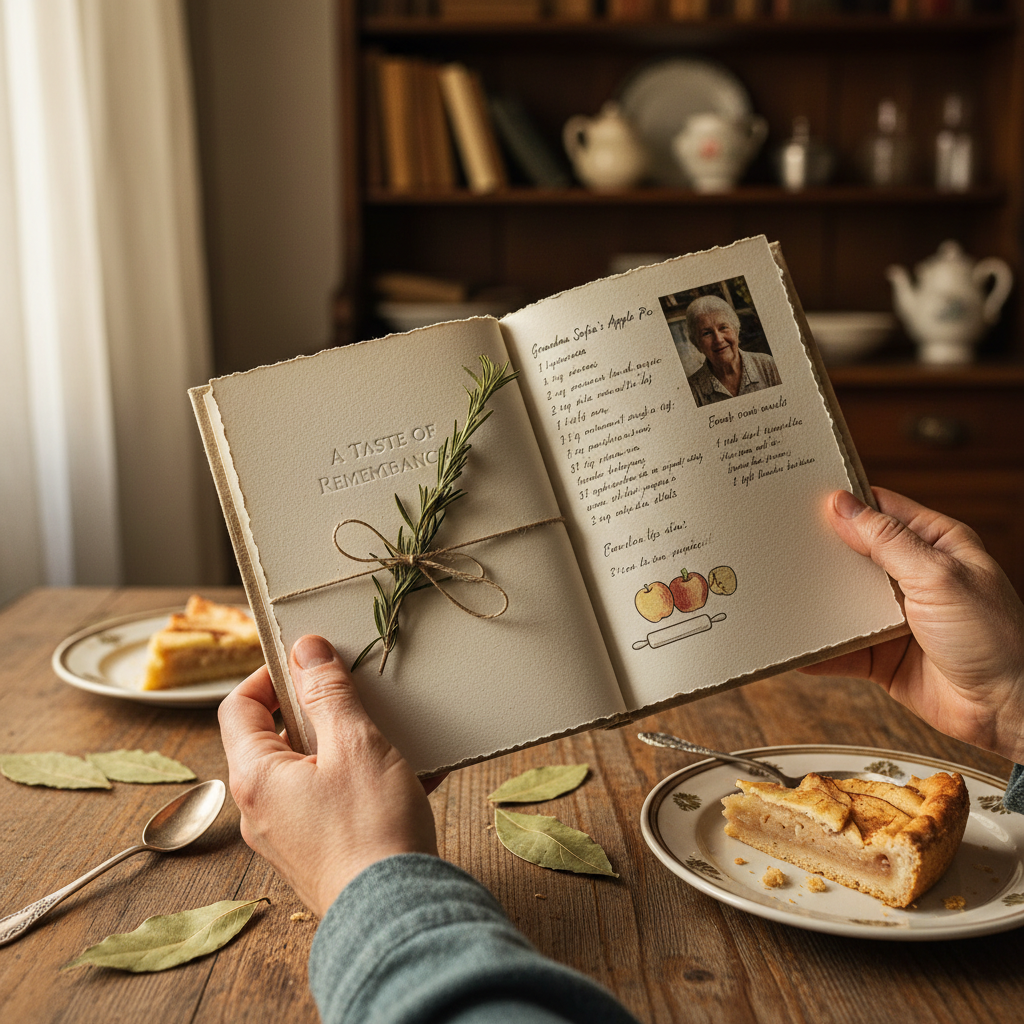
For each recipe, collect the name, ingredients, method, source, and any known date or context. Ask whether it came from a handwritten card, a published book, a relative’s recollection, or a later adaptation. Note uncertainty instead of silently filling gaps. For example, “family recollection; quantities were not recorded” is more trustworthy than presenting estimated measurements as the original. Keep distinctive spellings, ingredient names, or handwritten wording where they matter, while adding a clear transcription for readability.
A short memory can explain why a recipe is included, such as who made it or when it appeared. Keep the note in the contributor’s words or ask them to approve edits. Avoid embellishment or disclosing sensitive information without permission.
Ask before recording, quoting, or reproducing
If someone tells a story for the booklet, explain how it may be used and ask before recording, quoting, or printing their name. The Library of Congress advises asking permission before recording a relative and notes that a recording may later be transcribed and shared. Smithsonian oral-history guidance likewise emphasizes explaining the project and intended use, allowing people to decline questions, and respecting their words and wishes. A kitchen conversation is not blanket permission to publish everything said.
Get approval of the final text from each contributor, especially when a memory mentions other living people. They should be able to correct a name, remove a detail, or withdraw their contribution before printing. If a recipe or story comes from a published cookbook, newspaper, website, or another person’s collection, do not assume that owning a copy gives permission to reproduce its expressive text or illustrations. Ask the rights holder or use material the family has authority to share. Copyright rules differ by country. As one jurisdiction-specific example, the U.S. Copyright Office says a bare list of ingredients is not protected by U.S. copyright, while substantial explanatory wording or a creative compilation may be; that is not a general legal rule for every country.
Make it comfortable to read
A simple layout is often easiest to use. Give each recipe a clear heading and keep its ingredient list separate from its method. Use readable type, strong contrast, and enough spacing that the page does not feel crowded. Avoid placing text over a busy photograph. If the booklet is intended for older guests or people with low vision, have someone check a printed proof at actual size rather than relying only on a screen preview.
A useful entry might include: recipe title; contributor or source; ingredients; numbered or short method steps; and an optional, brief note. Keep a consistent order across pages so readers can find the parts they need. If quantities are approximate, say so. If a step is unclear, ask the contributor to clarify it or mark the ambiguity rather than inventing a precise instruction. Do not call a recipe “tested” unless it genuinely has been tested, and do not add claims about health benefits.
Use only photographs the family has permission to reproduce. A scan of an original recipe card can be evocative, but pair it with a readable transcription if handwriting is faint or small. The National Archives recommends scanning recipes to make them easier to use and share while storing originals safely. Handle fragile cards carefully, avoid new folds, and protect them from spills.
Plan printing and sharing
Ask the funeral director, venue, or service organizer whether there is a table or other appropriate place for keepsakes, and confirm any practical limits before arranging delivery. Estimate quantities with a modest extra stack if the budget permits, but do not promise a copy to everyone if numbers are uncertain. A few larger-print copies or a digital version sent privately afterward may help people who cannot comfortably use a small booklet. Check that any digital file is shared only with the intended audience.
If you also plan to serve a dish, treat that as a separate decision from printing the recipe. Consider venue arrangements, available help, and guests’ varied needs; do not assume that everyone will eat it. Keep the booklet useful even if no food is served. It is a record to take home, not a request for guests to cook, discuss grief, or participate in a ritual.
A final check before printing
Read the proof slowly, preferably with someone who has not been assembling it. Confirm names, recipe sources, spelling, measurements as supplied, and permission for every story and image. Check that page order is correct and that the smallest text remains legible. Give contributors a clear chance to review the version that will actually be printed. Keep a final digital copy with a descriptive filename and share it only as intended.
A memorial recipe booklet can be brief, imperfect, and still deeply personal. It may preserve a dish exactly as remembered, or acknowledge honestly that details have been lost. The family can decide whether it is shared at the service, sent later, or kept among relatives. Making room for those choices is part of treating the person’s memory—and the living people around it—with care.
Sources and Further Reading
Reading path
Continue this topic
Use familiar dishes, recipe notes, and shared meals to bring family stories naturally into the conversation.
Pillar guides in this path
A gentle next step
Keep a related family story
If this topic brings a family memory to mind, you can save it at your own pace.
“Thank you for sharing this quiet moment of reading with us.”
Every piece in the MemContinuity library is preserved to spark gentle conversations, honor generational memory, and support the health and comfort of our families.
MemContinuity editorial team
MC-CELEBRATION-20260425-049 · Publication archive reference
Cross-device reading sync
Sign in to your MemContinuity account to optionally sync your article reading progress across your phone, tablet, and computer.
Themes & topics
Editorial guidance & care
Our publications are designed to be practical, gentle, and respectful. For specific medical, mobility, or travel arrangements, we recommend consulting local providers or relevant municipal services.
Continue with purpose
Part of a curated reading journey
Related publications
 Life Celebrations
A Life Well Lived: Designing a Personal, Non-Formulaic Memorial Service and Eulogy
Moving beyond somber templates: structuring tributes around passions, humor, favorite songs, and shared memories.
 Life Celebrations
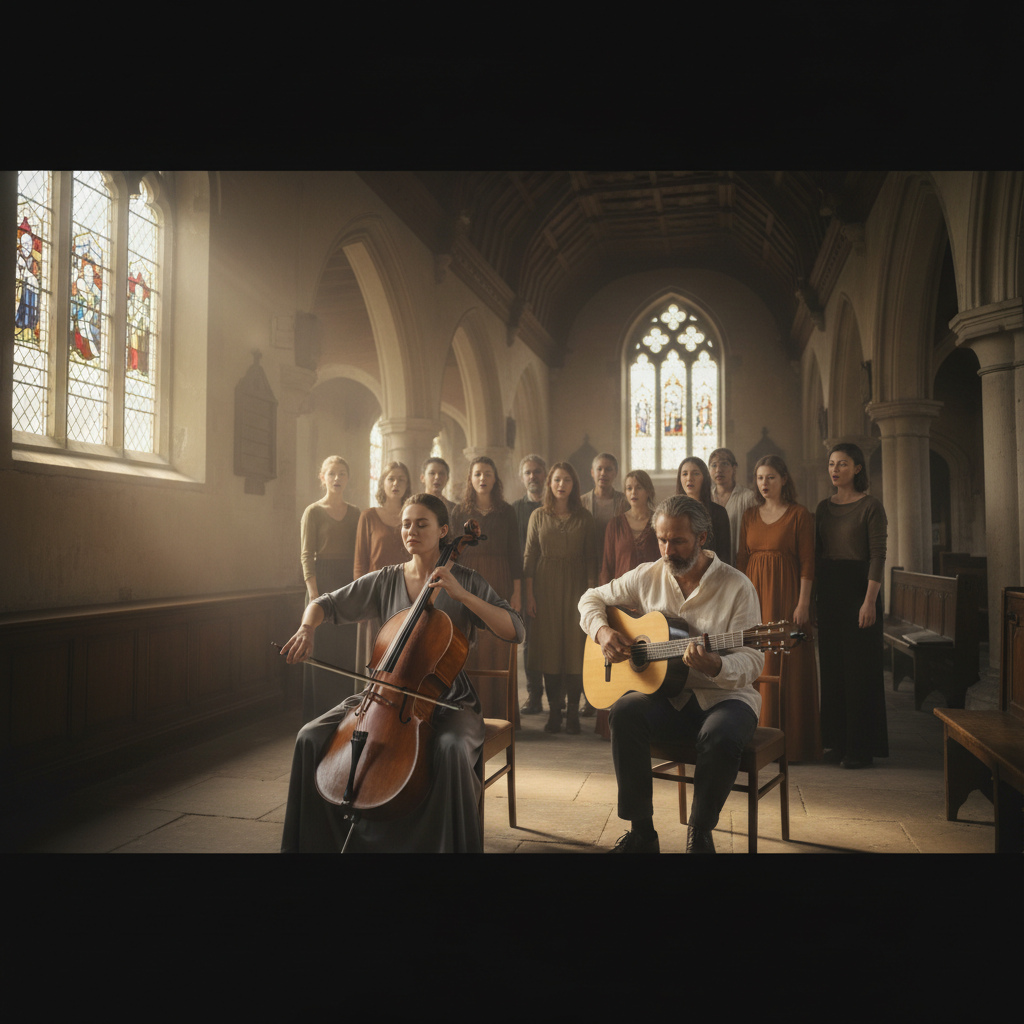
The Consolation of Music: Choosing Acoustic and Classical Pieces for Memorials
The emotional resonance of cello, acoustic guitar, and choral polyphony in supporting gentle mourning and remembrance.
 Life Celebrations
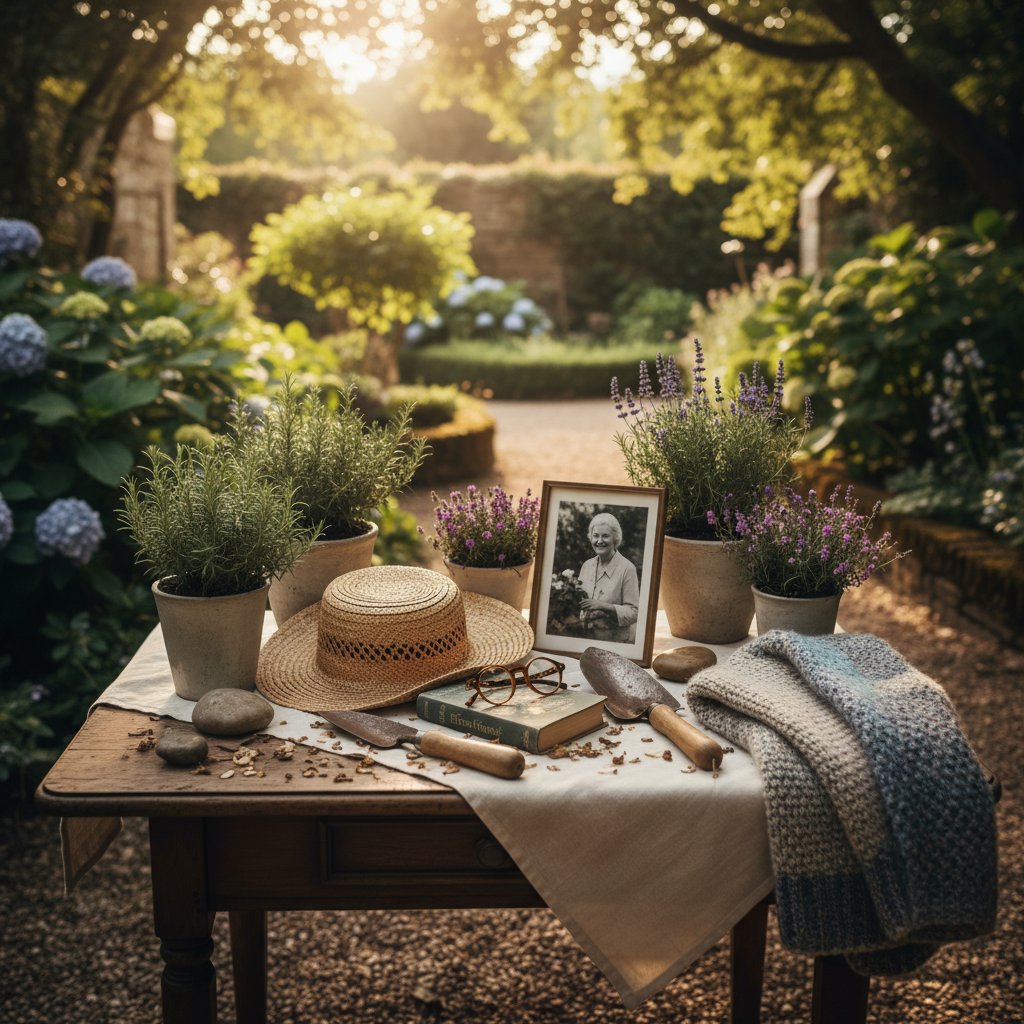
The Memory Table: Curating Everyday Relics, Garden Hats, and Spectacles at Memorials
Why placing a worn gardening trowel, favorite paperback, or wool cardigan brings more comfort to visitors than formal wreaths.
Share the story
Family discussion cards
Take one card at a time. There are no right answers—only memories worth hearing.
What memory did this article bring to mind?
Who in the family might have a story or photograph to add?
What is one small thing we could save, share, or do next?
A quiet conversation can be a meaningful family keepsake.
Subscribe to MemContinuity Publications
Receive thoughtful reflections, local heritage guides, and slow travel stories delivered directly to your inbox. No spam, privacy respected.