The Memory Table: Curating Everyday Relics, Garden Hats, and Spectacles at Memorials
A practical, considerate guide to choosing, arranging, and safely displaying photographs and personal keepsakes at a memorial gathering.
A compatible device voice is not available. You can still read this article on screen.
 Life Celebrations
Detailed article
Use the text-size control at the top for larger text, or switch back to Easy Read at any time.
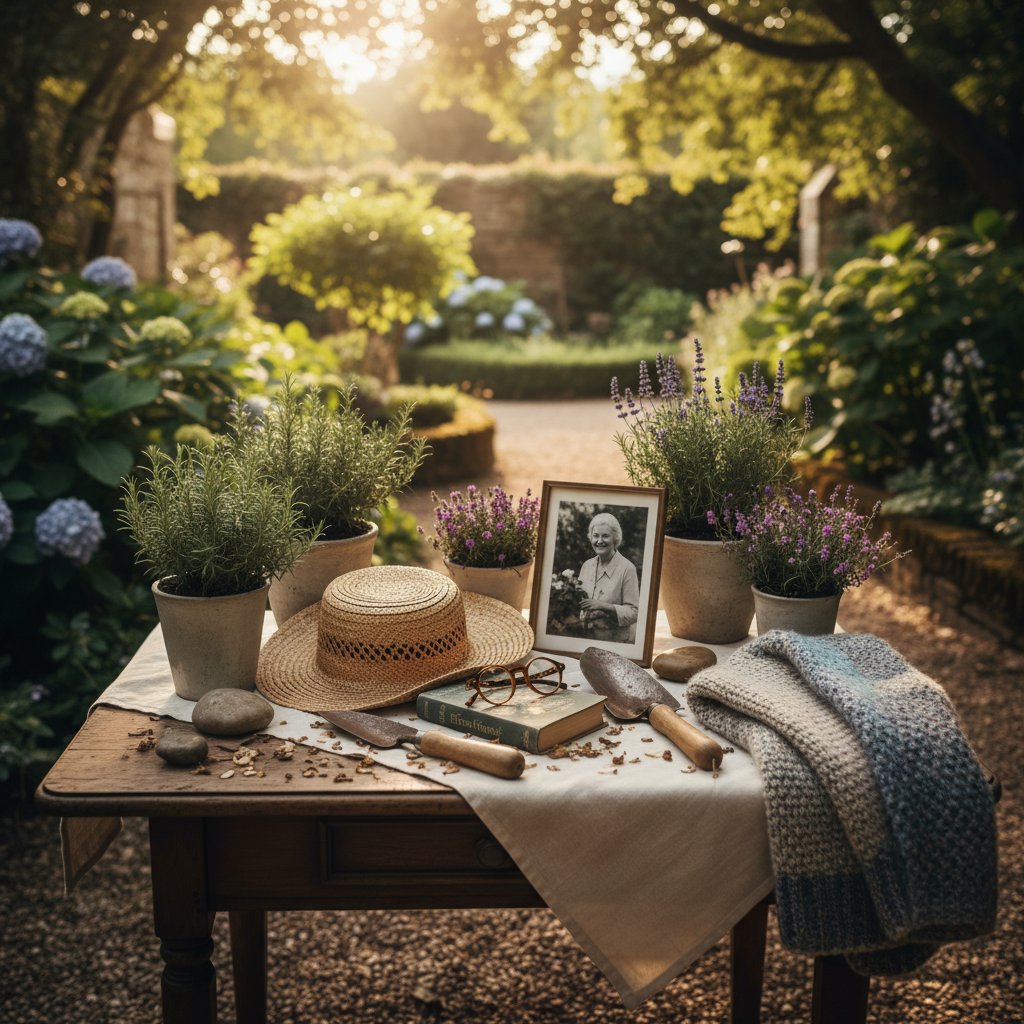
A memory table can be a quiet way to make a memorial gathering feel personal. A familiar gardening hat, a well-used paperback, or spectacles beside a favorite photograph may suggest the everyday rhythms of a life. The purpose is not to tell a complete story or make every guest feel the same thing. It is simply to offer a few chosen objects for reflection and conversation, if people wish.
A display can be modest: one photograph and one object may be enough. Before collecting anything, decide who will choose the items, where the display will stand, and who is responsible for taking everything home afterward. The venue or funeral director can advise about space, setup times, candles, food, and other house rules.
Choose items with meaning, not quantity
Start by asking what the person enjoyed, used often, made, or cared for. Everyday objects can say as much as formal awards: a gardening trowel, a recipe notebook, a knitting project, a favorite hat, a camera, a book with a familiar bookmark, or a pair of spectacles. Photographs can show different parts of life, but they need not form a complete chronology. A small selection is easier to see and gives each object room. Funeral-planning guidance likewise treats photographs and personal stories as optional ways to personalize a service, rather than requirements for a meaningful farewell. NCOA
Ask close family members before borrowing or displaying personal possessions. An object may be precious to one person and too private or painful for another. Check whether the owner wants it returned promptly, and write down who brought each item. If opinions differ, consider a smaller display, a photograph of the object, or leaving it out. No one needs to justify declining to contribute.
Plan the display around the room
Choose a stable table in a place guests can approach without blocking a doorway, service area, or route through the room. Leave clear space around it for people using mobility aids, and avoid placing fragile items where they could be knocked. Ask the venue whether a table, cloth, easel, or power outlet is available. If the room is busy, keep the display away from serving tables and high-traffic corners. The goal is an easy-to-approach pause, not a bottleneck.
Give the arrangement one clear focal point, such as a portrait or a particularly recognizable keepsake. Put smaller photographs and objects nearby, with enough space between them to be seen. A loose grouping by theme—gardening, reading, music, or family celebrations—can help visitors notice connections without implying that the display captures the whole person. A simple cloth or a few flowers may be enough; elaborate decorations are optional.
For practical safety, use stable frames and stands, keep glass and sharp edges away from table edges, and avoid loose cords. Battery-operated candles provide a flame-free alternative if a candle-like detail suits the gathering; confirm the venue's rules first. Do not use open flames unless the venue explicitly permits them and someone can supervise them. Keep drinks and food separate from photographs, papers, and delicate objects.
Add captions only when they help
A short label can explain a detail that visitors might not recognize: “Her gardening hat, worn every spring” or “The paperback he carried on train journeys.” Keep captions factual and brief. If relatives remember an object differently, a label can identify what it is without presenting one person's interpretation as settled family history. A memory book or cards may be offered for guests who want to write something, but participation should be optional. Strawser & Staley's practical memory-table guide also recommends meaningful objects, concise explanations, careful spacing, and keeping paths clear. Strawser & Staley
Think about privacy before displaying letters, diaries, contact details, or photographs of other living people. Ask permission from the person who owns a letter or image and consider the privacy of anyone shown or named. A private family item may be better kept off public view, even if it mattered deeply. Avoid placing an original document on the table if a clear copy will serve the purpose.
Protect delicate or irreplaceable keepsakes
A memorial display is temporary, but direct sun, bright lights, spills, and handling can still put fragile items at risk. Paper and photographs can be harmed by accumulated light exposure, and conservation guidance recommends limiting display of valuable paper originals and using facsimiles when practical. NEDCC For a brief gathering, keep originals out of direct sunlight and away from lamps that give off heat. Place delicate items in a stable frame or stand rather than fastening them with tape, pins, or adhesive. Invite guests to look rather than handle, especially if an item is brittle, loose, or easily soiled.
If an object is too valuable, fragile, or emotionally difficult to move, use a photograph or leave it at home. Do not clean, repair, or alter a keepsake in a rush before the service. For material with substantial damage or special significance, ask a conservator or an appropriate museum/archive service for advice rather than trying a treatment yourself.
Make room for different ways of remembering
Guests may respond by sharing a story, looking quietly, or walking past. All are valid. A display should not become a test of who remembers the most, and nobody should be pressed to speak or explain an object. If children or relatives living far away wish to contribute, they can send a chosen photograph or a short note, but their involvement is optional. The gathering can include religious or cultural objects when they reflect the person's wishes and the family's customs; check with relevant family members and the venue rather than assuming one tradition applies to everyone.
A memory table is not a treatment for grief, and no arrangement can guarantee comfort. Research on personal rituals among hospice workers is not evidence that a memorial display improves outcomes for bereaved guests. It is safer to describe the table as one possible personal touch: some visitors may appreciate it, while others may prefer not to engage. A memorial can be meaningful with or without objects on display.
A simple setup and return checklist
Before the gathering, choose a small number of objects, confirm permission to display them, and take a quick inventory. Check the venue's setup window and rules. Bring any stands or labels needed, and decide who will watch over the display and pack it away. At the end, compare the objects with the list, return each item to its owner, and check the table and floor for small pieces or frames. If guests have left notes, agree who will collect them and whether they should be shared privately.
You might ask: What would feel recognizable to the people attending? Which item is safe and appropriate to bring? Would a copy protect the original? Is the display reachable and easy to pass? Who will take everything home? A few thoughtful answers can make the practical work manageable. The finished table need not be polished or comprehensive. Its value lies in the care taken to choose what belongs there—and in leaving visitors free to remember in their own way.
Sources and Further Reading

Reading path
Continue this topic
Six gentle starting points for sharing condolences, planning a personal memorial, inviting people across distance, and returning to memory in your own time.
Pillar guides in this path
A gentle next step
Create a memorial when the time is right
A private memorial can hold a life story, photographs, and messages from the people who care.
“Thank you for sharing this quiet moment of reading with us.”
Every piece in the MemContinuity library is preserved to spark gentle conversations, honor generational memory, and support the health and comfort of our families.
MemContinuity editorial team
MC-CELEBRATION-20260501-043 · Publication archive reference
Cross-device reading sync
Sign in to your MemContinuity account to optionally sync your article reading progress across your phone, tablet, and computer.
Themes & topics
Editorial guidance & care
Our publications are designed to be practical, gentle, and respectful. For specific medical, mobility, or travel arrangements, we recommend consulting local providers or relevant municipal services.
Continue with purpose
Part of a curated reading journey
Related publications
 Life Celebrations
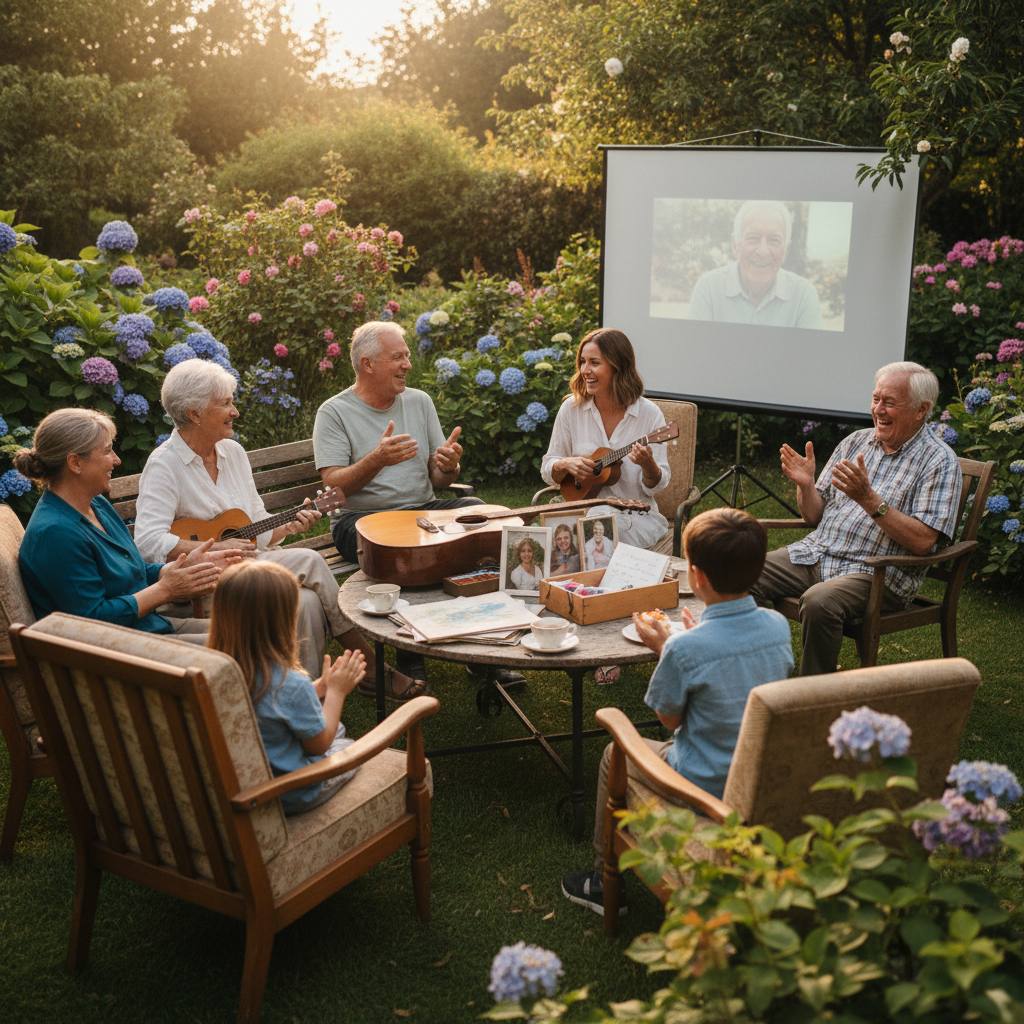
A Life Well Lived: Designing a Personal, Non-Formulaic Memorial Service and Eulogy
Moving beyond somber templates: structuring tributes around passions, humor, favorite songs, and shared memories.
 Life Celebrations
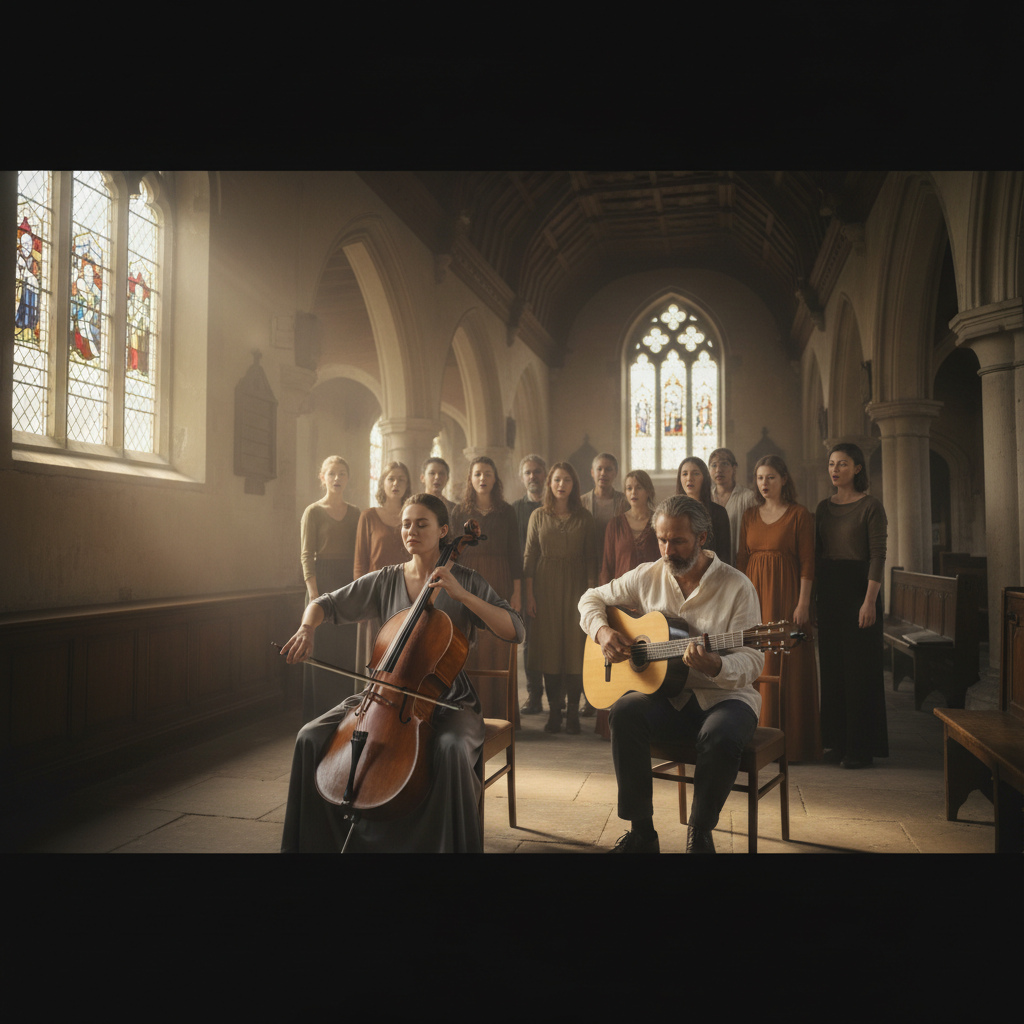
The Consolation of Music: Choosing Acoustic and Classical Pieces for Memorials
The emotional resonance of cello, acoustic guitar, and choral polyphony in supporting gentle mourning and remembrance.
 Life Celebrations
The Turning Year: Quiet and Meaningful Rituals for the First Memorial Anniversary
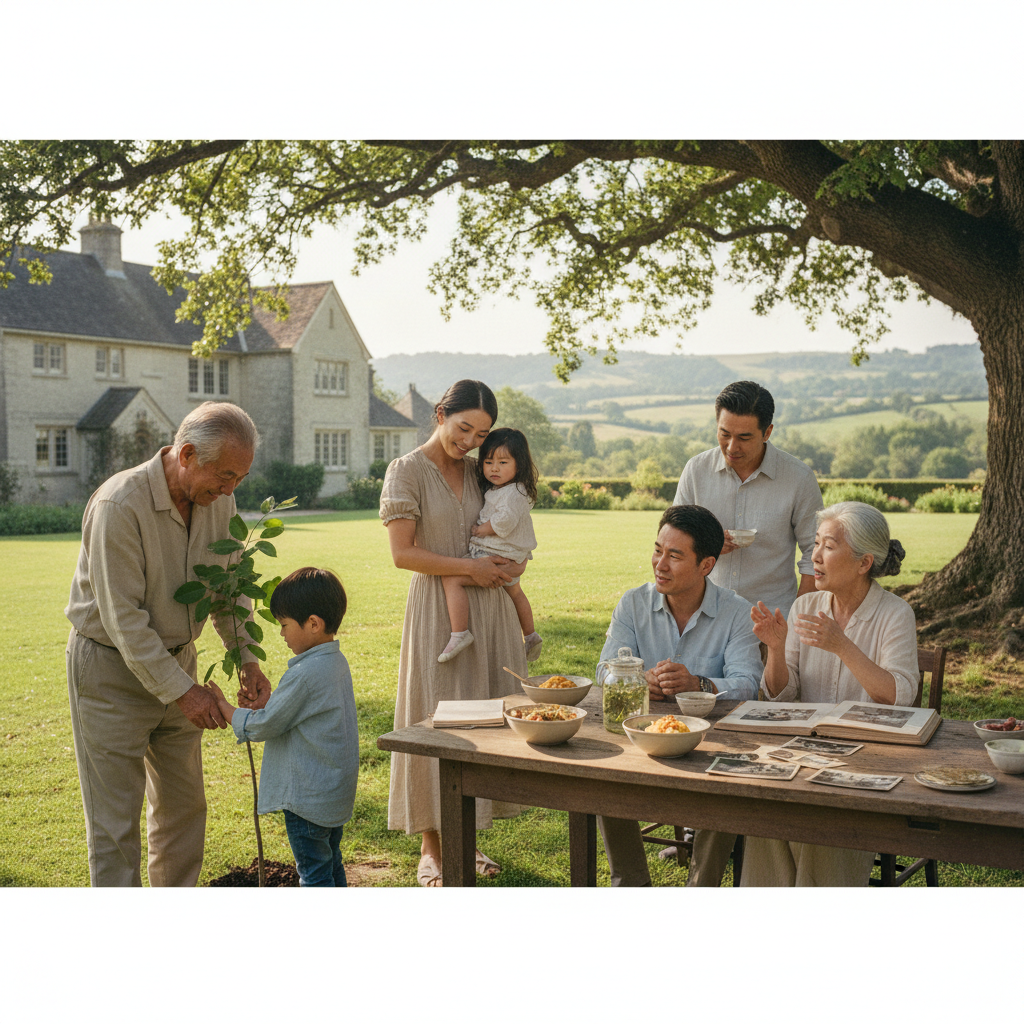
Navigating the first twelve-month milestone with gentle family meals, planting heritage trees, and sharing stories without pressure.
Share the story
Family discussion cards
Take one card at a time. There are no right answers—only memories worth hearing.
What memory did this article bring to mind?
Who in the family might have a story or photograph to add?
What is one small thing we could save, share, or do next?
A quiet conversation can be a meaningful family keepsake.
Subscribe to MemContinuity Publications
Receive thoughtful reflections, local heritage guides, and slow travel stories delivered directly to your inbox. No spam, privacy respected.