Across Oceans: How Living Digital Memorials Comfort Family Living Abroad
A thoughtful guide to sharing memories across time zones, choosing a private or public memorial, and protecting relatives’ consent and digital keepsakes.
A compatible device voice is not available. You can still read this article on screen.
 Life Celebrations
Detailed article
Use the text-size control at the top for larger text, or switch back to Easy Read at any time.
Enabling grandchildren and siblings across different time zones to light virtual candles, view family trees, and share tributes.
Why a shared digital memorial can help families feel included
When relatives live in different countries, a shared online space can make it easier to exchange photographs, voice notes, stories, and small acts of remembrance without requiring everyone to travel or be awake at the same hour. It can hold contributions from people who could not attend a service, including relatives who have mobility, financial, work, or caregiving constraints. It is one possible way to remember someone, not a substitute for an in-person ritual or a remedy for grief.
There is no single right way to grieve. Cruse Bereavement Support notes that experiences differ according to the person, the circumstances, and individual perspective. That is a good reason to offer a digital gathering as an invitation rather than an expectation. One relative may want to post memories; another may prefer a private conversation, a handwritten note, or no participation for now. Silence online should not be treated as a measure of love.
A useful memorial is shaped by the family’s wishes, not by the number of features on a platform. It may be a small private album, a family tree with carefully chosen details, a page for messages, or a scheduled video call. A shared document or album may be enough. The aim is to make remembering accessible and respectful, not to create a permanent record of every part of a life.
Choose the format before inviting people
Start with what family members actually want to do. If the main purpose is to gather short stories, choose a format where contributions are easy to add and read on a phone. If relatives want to see photographs together, a shared album or video call may be more useful than a long tribute page. If some people have limited internet access, offer an alternative such as sending a photograph or a few lines to one trusted relative, who can ask permission before adding them.
Consider who should be able to view or contribute. A public page can be easy to share, but it also makes the material available beyond the immediate family. A private or invitation-only space can narrow the audience, though privacy controls are not a promise of permanent confidentiality. People may copy, save, or forward material. Decide whether comments need approval, who can invite others, and whether a moderator will remove accidental personal information.
Use the least complicated tool that meets the need. An account on a major social platform may already be familiar to some relatives but inaccessible to others. A private album may be easier for pictures but less suited to longer stories. A scheduled call may create a shared moment, yet a recording can raise additional consent and storage questions. No one should need to create an account or disclose a personal story to show care.
Make participation work across time zones
A fixed online event can exclude relatives who are sleeping, working, or caring for someone. Instead, consider a contribution window that stays open for several days. People can add a memory when convenient, then read or listen when they have time. If a live gathering matters, choose a time together rather than assuming the time zone of the closest organizer is convenient for everyone. Share the local time for each location and send a simple reminder, while making clear that attendance is optional.
Keep the invitation specific and gentle. For example: “We’re collecting a few memories of Auntie Lina this week. If you would like to contribute, you can send a photo or a short note by Sunday. There is no pressure, and you can ask us not to share it.” This explains the purpose, the deadline, and the choice. It avoids asking people to perform grief or to produce a polished story.
Protect consent, privacy, and family boundaries
Ask before posting another person’s photograph, message, recording, or private story. Check with the person who contributed and, where relevant, with people identifiable in the material. A living relative may welcome a family photograph but not want it searchable by strangers. Children’s images and details deserve particular care; share only what the responsible adults and the child, where appropriate, agree to share. Avoid publishing home addresses, travel plans, private contact details, or sensitive family history simply because the site allows it.
Talk about disagreement before it becomes a public argument. Families may differ about religious language, names, images, or whether a detail belongs online. Keep a clear way to contact the organizer privately. If a contribution is disputed, pause publication and speak directly rather than using comments to settle the conflict. A memorial does not need to contain every viewpoint to be meaningful.
Plan for account access and future changes
A family-created tribute and a deceased person’s social-media profile are different things. Do not assume that a relative can sign in to the person’s account or retrieve everything stored there. Facebook says a legacy contact can manage certain parts of a memorialized profile but cannot log in, read private messages, or edit past posts. Instagram says nobody can log in to a memorialized profile and that existing posts remain visible to the audience they were originally shared with. The details differ by service and can change, so check the current official help pages before making plans.
Planning ahead can reduce uncertainty. Google’s Inactive Account Manager lets an account holder choose a period of inactivity, select up to ten trusted contacts, and choose which data types to share or whether to send notification only. It works according to the user’s settings and inactivity period; it is not a general password-sharing arrangement. Account holders should review their choices periodically and tell their chosen contacts what to expect. For any platform, use its authorized tools and processes rather than trying to guess or bypass passwords.
A small plan for a first shared remembrance
Before sending an invitation, agree on four points: what the space is for; who can see it; who can add or remove material; and when the family will review it. Choose a modest contribution, such as one photograph and a few sentences, rather than asking everyone to create a complete life history. Say whether contributions will be copied elsewhere, and ask permission before moving them to another service.
After the first week or gathering, ask participants privately whether the format felt comfortable and whether anything should be changed. A family may decide to leave the page open, make it more private, pause new posts, download a permitted copy, or close it. Those choices can change as people’s needs change. What matters is that the memorial remains an invitation to remember together, with room for different relationships, customs, and paces of grief.
Sources and Further Reading

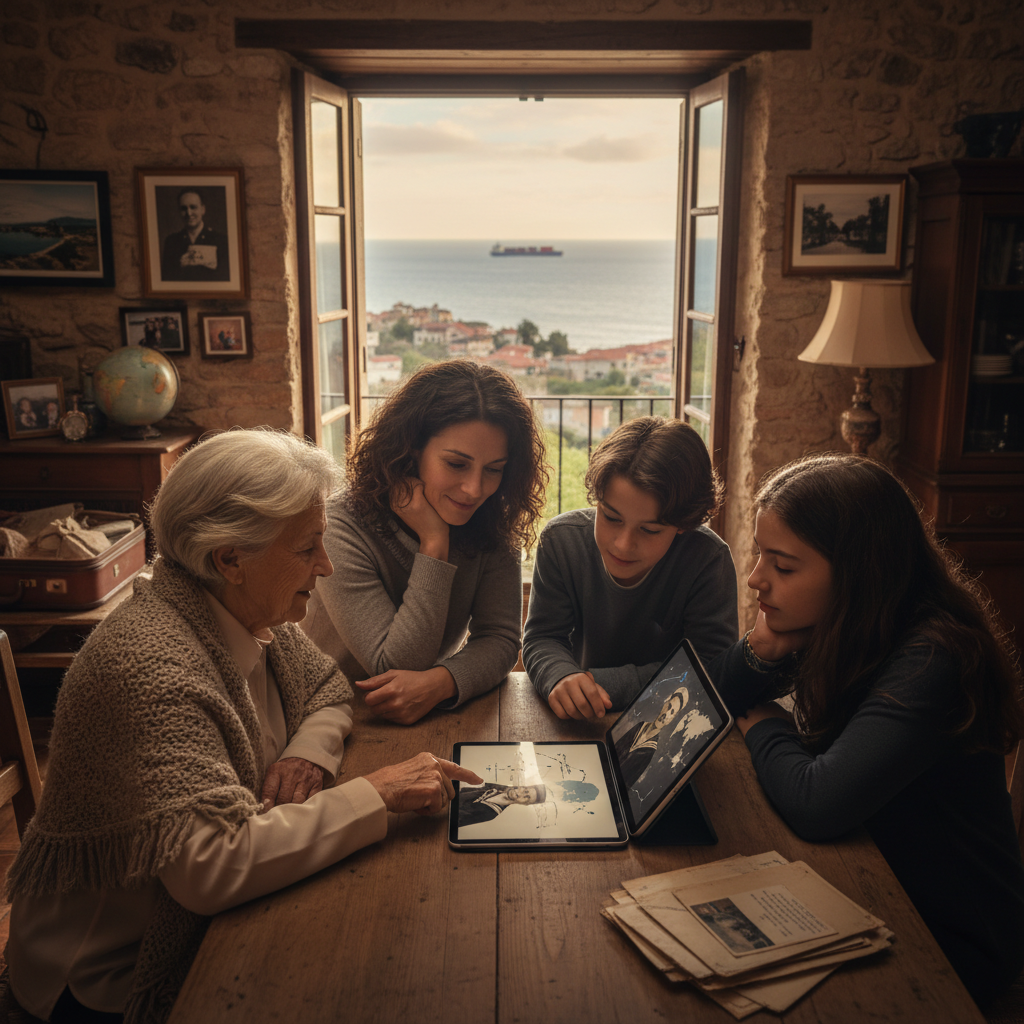
Reading path
Continue this topic
Six gentle starting points for sharing condolences, planning a personal memorial, inviting people across distance, and returning to memory in your own time.
Pillar guides in this path
A gentle next step
Create a memorial when the time is right
A private memorial can hold a life story, photographs, and messages from the people who care.
“Thank you for sharing this quiet moment of reading with us.”
Every piece in the MemContinuity library is preserved to spark gentle conversations, honor generational memory, and support the health and comfort of our families.
MemContinuity editorial team
MC-CELEBRATION-20260429-045 · Publication archive reference
Cross-device reading sync
Sign in to your MemContinuity account to optionally sync your article reading progress across your phone, tablet, and computer.
Themes & topics
Editorial guidance & care
Our publications are designed to be practical, gentle, and respectful. For specific medical, mobility, or travel arrangements, we recommend consulting local providers or relevant municipal services.
Continue with purpose
Part of a curated reading journey
Related publications
 Life Celebrations
The Turning Year: Quiet and Meaningful Rituals for the First Memorial Anniversary
Navigating the first twelve-month milestone with gentle family meals, planting heritage trees, and sharing stories without pressure.
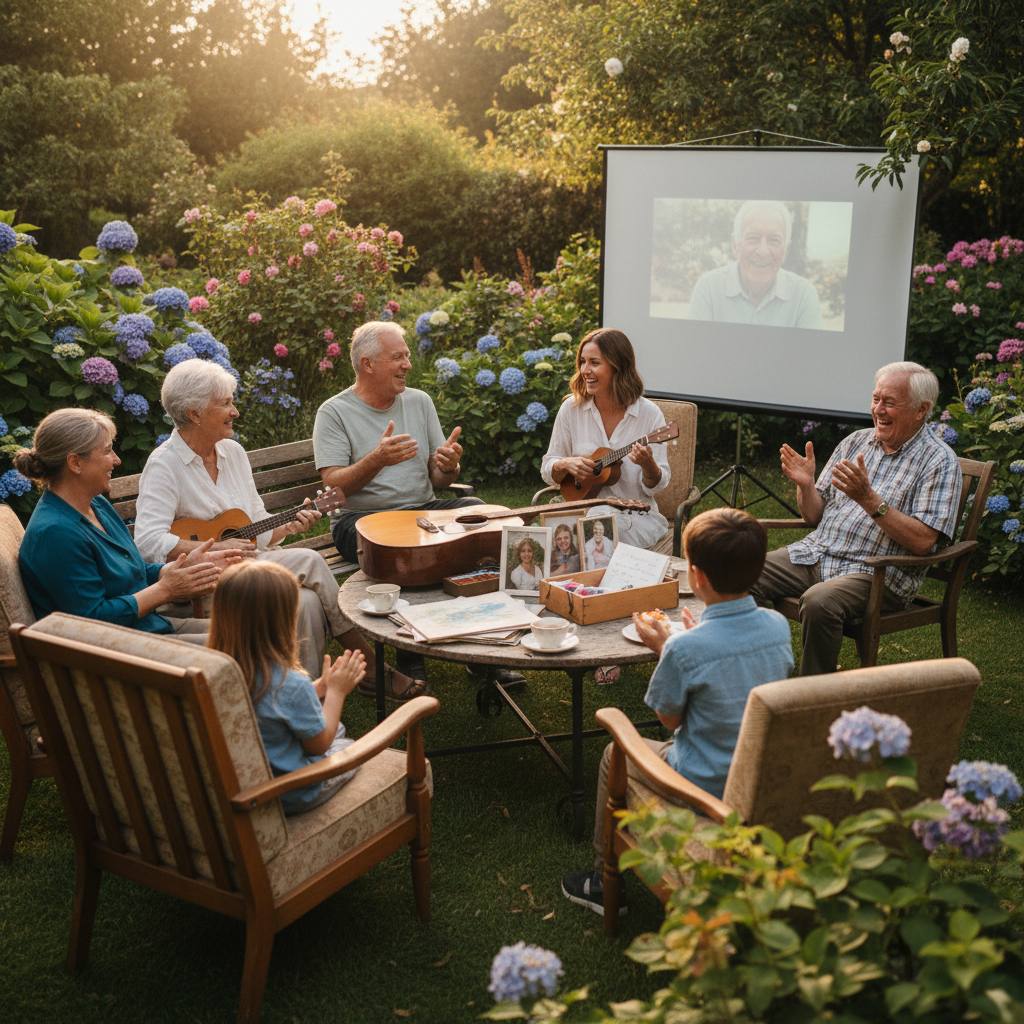 Life Celebrations
A Life Well Lived: Designing a Personal, Non-Formulaic Memorial Service and Eulogy
Moving beyond somber templates: structuring tributes around passions, humor, favorite songs, and shared memories.
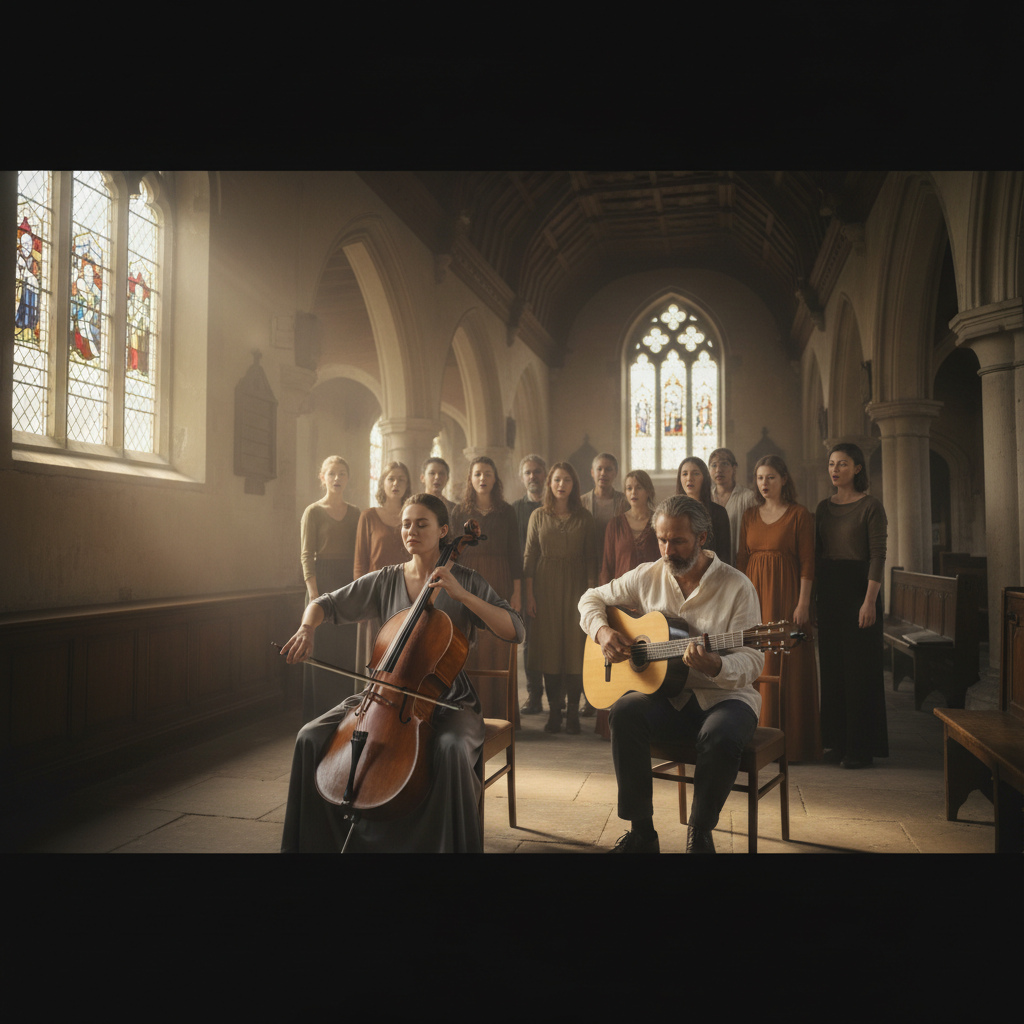 Life Celebrations
The Consolation of Music: Choosing Acoustic and Classical Pieces for Memorials
The emotional resonance of cello, acoustic guitar, and choral polyphony in supporting gentle mourning and remembrance.
Share the story
Family discussion cards
Take one card at a time. There are no right answers—only memories worth hearing.
What memory did this article bring to mind?
Who in the family might have a story or photograph to add?
What is one small thing we could save, share, or do next?
A quiet conversation can be a meaningful family keepsake.
Subscribe to MemContinuity Publications
Receive thoughtful reflections, local heritage guides, and slow travel stories delivered directly to your inbox. No spam, privacy respected.