A Life Well Lived: Designing a Personal, Non-Formulaic Memorial Service and Eulogy
A practical, gentle guide to shaping a memorial around the person remembered: choose a fitting tone, readings and music, build a simple service outline, and prepare a personal eulogy without pressure to follow a template.
A compatible device voice is not available. You can still read this article on screen.
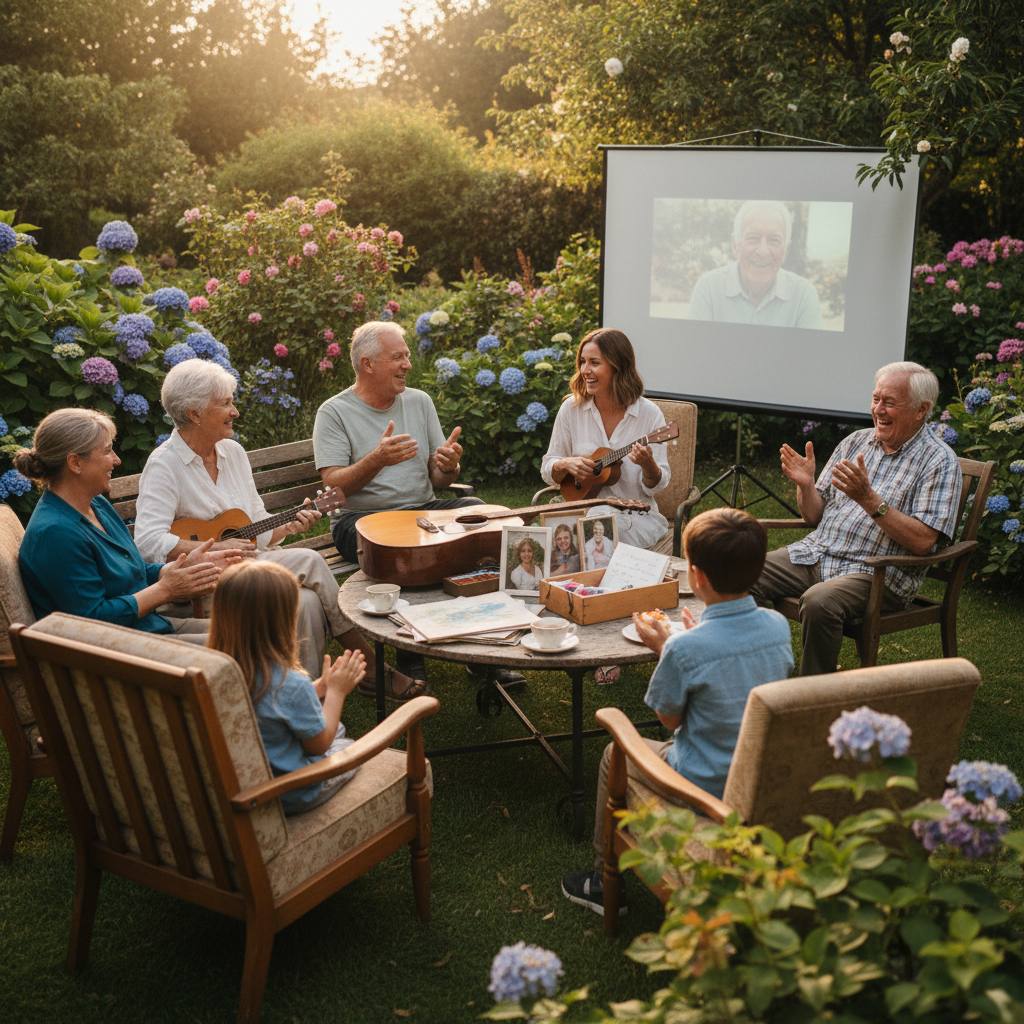 Life Celebrations
Detailed article
Use the text-size control at the top for larger text, or switch back to Easy Read at any time.
Moving beyond somber templates: structuring tributes around passions, humor, favorite songs, and shared memories.
Begin with the person, not a template
A memorial service or celebration of life can be religious, non-religious, or simply a gathering without a formal ceremony. There is no single format that suits every person or family. The useful starting point is not “What does a proper service look like?” but “What would help those gathered remember this person truthfully and feel welcome?” A humanist ceremony is one non-religious option; families may also work with a faith leader, another celebrant, a funeral director, or no officiant at all. The choices should reflect the person’s wishes where known and the needs of those organising the event. Marie Curie’s planning guide lists possible decisions such as venue, celebrant, music, readings, speakers, clothing, photographs, and a gathering afterward.
Start by agreeing a few basics: who is coordinating, where and when people can gather, the intended length, and the tone. “Warm and informal,” “quiet and reflective,” or “a mix of tenderness and laughter” is more actionable than trying to prescribe every moment. If the service is at a venue with a fixed schedule, ask what time is available and which practical arrangements are required. A venue or funeral professional can confirm its own rules; do not assume every room can accommodate candles, food, live music, or projected images.
Choose a shape that leaves room to breathe
A simple sequence can make a ceremony feel coherent without making it formulaic: welcome, a short explanation of the gathering, music or a reading, one or more tributes, a quiet pause, and a closing. Rearrange or omit any element that does not fit. A funeral and a later memorial may have different needs, and no ceremony can include every story.
Agree who will speak and roughly how long each contribution should be. If many people want to share, use a few prepared speakers or invite written memories for later. An open microphone can make timing and emotional pressure harder to manage. People should be free to attend quietly without speaking or explaining their feelings.
A familiar tune, carefully chosen photograph, line from a poem, or mention of a pastime may make the gathering feel recognisable. Share personal materials only with appropriate permission and respect for privacy; check images and names with those involved.
Select readings and music for a reason
Choose a reading because it connects to the person, not because a service “needs” a poem. It might be a short poem, a passage from a book, a personal letter, or a few lines the person often repeated. Humanists UK notes that readings at a humanist funeral can come from literature, philosophy, personal writing, poetry, or song lyrics, and recommends considering the individual and the audience. Its guide to funeral readings also suggests reading a candidate aloud and checking that its length and language suit the setting. These are options, not rules: a religious reading may be important to the person or family, and a secular choice need not be labelled “humanist” to be meaningful.
Music may mark a transition or reflect a favourite artist. Decide whether people will listen, sing, or sit quietly, and check that the venue can play the selection. Give the organiser the exact track and artist, with a backup if playback fails. A song may comfort one guest and feel difficult to another.
Humour can belong when it reflects the person and is kind to listeners. A story about a familiar habit may bring recognition; a joke exposing private matters, mocking a guest, or relying on a disputed memory may hurt. When unsure, omit it or check with someone close. The aim is remembrance, not making everyone laugh.
Write a eulogy from memories, not a complete biography
A eulogy is a spoken tribute, often combining stories with an outline of the person’s life. Humanists UK’s eulogy-writing guidance emphasises that there is no perfect formula. Its practical suggestions include choosing a few specific memories, noting habits or sayings, sketching an outline, using plain language, and reading the draft aloud. These ideas can help anyone writing a tribute, regardless of the ceremony’s religious or non-religious character.
If the page feels blank, ask: What did this person make time for? What detail would friends recognise? Which story shows a quality you valued? Invite memories only from people willing to share. A timeline can help with names and events, but need not become a list of dates.
Select two or three moments that reveal the person. Give each enough context for listeners to follow and explain why you remember it. A tribute can acknowledge complexity without settling disagreements or presenting anyone as flawless. Decide carefully what difficult chapters belong in public; accuracy, dignity, and living people’s privacy matter.
A workable outline might be: a brief opening that says who you are and your connection; one or two life details; two vivid memories; what you will carry forward; and a simple closing. This is only a scaffold. You may speak directly to the person or speak about them. Use words you would actually say. There is no need to imitate a formal speech or summarise an entire life in a few minutes.
Make speaking optional and prepare a gentle backup
Writing or delivering a eulogy can feel demanding during bereavement. Ask someone else to read it, share the tribute between two people, or ask the celebrant or host to deliver it if that would help. Print a large, easy-to-read copy; keep a second copy with the organiser; and mark natural pauses. Practise once aloud if that feels useful, but do not treat rehearsal as a performance test. If emotion interrupts, a pause, a sip of water, or a handover to the agreed reader is enough.
Check practical access: seating, toilets, step-free routes, and a quiet space if available. Ask about microphones, hearing support, and remote attendance. People unable to come might send a written memory, but contribution should remain optional. Explain the plan simply and let guests participate in their own way.
A short planning worksheet
Write down known wishes, tone and format, venue and timing, speakers, readings and music, items or images, access needs, and backup plans. Separate firm requirements from preferences. If wishes were not recorded, acknowledge that rather than presenting a guess as certain. Marie Curie recommends recording wishes, storing them safely, and telling trusted people where to find them.
A personal memorial does not have to be ornate, perfectly composed, or uniformly solemn. A clear welcome, a few truthful stories, and choices made with care can create space for remembrance. Keep the plan flexible enough for people to participate—or simply be present—in their own way.

Reading path
Continue this topic
Six gentle starting points for sharing condolences, planning a personal memorial, inviting people across distance, and returning to memory in your own time.
Pillar guides in this path
A gentle next step
Create a memorial when the time is right
A private memorial can hold a life story, photographs, and messages from the people who care.
“Thank you for sharing this quiet moment of reading with us.”
Every piece in the MemContinuity library is preserved to spark gentle conversations, honor generational memory, and support the health and comfort of our families.
MemContinuity editorial team
MC-CELEBRATION-20260503-041 · Publication archive reference
Cross-device reading sync
Sign in to your MemContinuity account to optionally sync your article reading progress across your phone, tablet, and computer.
Themes & topics
Editorial guidance & care
Our publications are designed to be practical, gentle, and respectful. For specific medical, mobility, or travel arrangements, we recommend consulting local providers or relevant municipal services.
Continue with purpose
Part of a curated reading journey
Related publications
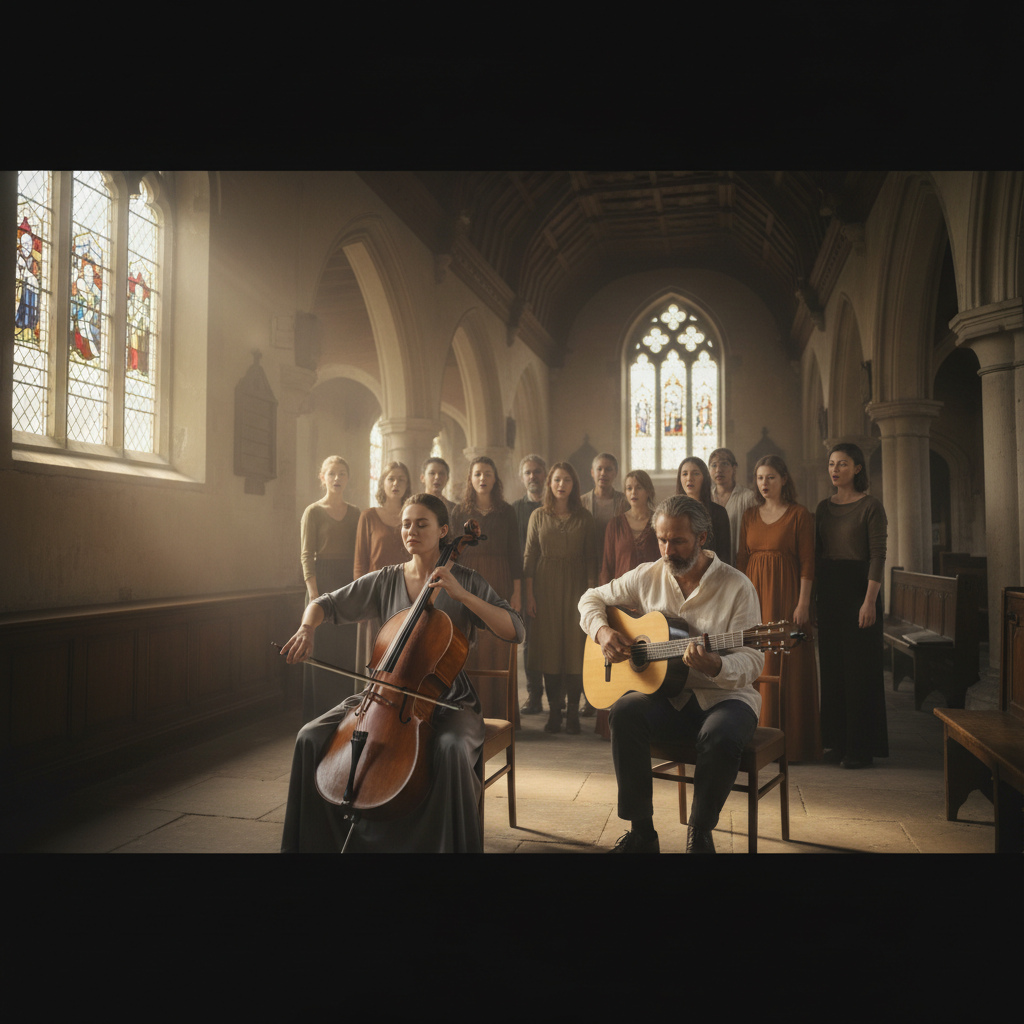 Life Celebrations
The Consolation of Music: Choosing Acoustic and Classical Pieces for Memorials
The emotional resonance of cello, acoustic guitar, and choral polyphony in supporting gentle mourning and remembrance.
 Life Celebrations
The Memory Table: Curating Everyday Relics, Garden Hats, and Spectacles at Memorials
Why placing a worn gardening trowel, favorite paperback, or wool cardigan brings more comfort to visitors than formal wreaths.
 Life Celebrations
The Turning Year: Quiet and Meaningful Rituals for the First Memorial Anniversary
Navigating the first twelve-month milestone with gentle family meals, planting heritage trees, and sharing stories without pressure.
Share the story
Family discussion cards
Take one card at a time. There are no right answers—only memories worth hearing.
What memory did this article bring to mind?
Who in the family might have a story or photograph to add?
What is one small thing we could save, share, or do next?
A quiet conversation can be a meaningful family keepsake.
Subscribe to MemContinuity Publications
Receive thoughtful reflections, local heritage guides, and slow travel stories delivered directly to your inbox. No spam, privacy respected.