The Turning Year: Quiet and Meaningful Rituals for the First Memorial Anniversary
A practical, pressure-free guide to marking the first year after a death, with flexible gathering ideas, consent, accessibility, and space for different ways of remembering.
A compatible device voice is not available. You can still read this article on screen.
 Life Celebrations
Detailed article
Use the text-size control at the top for larger text, or switch back to Easy Read at any time.
A first anniversary can hold many different feelings
The first anniversary of a death can bring memories close, but there is no single correct way to meet it. One person may want company and conversation; another may prefer a quiet day, ordinary routines, or time alone. Sadness, warmth, anger, numbness, relief, guilt, or a mixture can appear, and feelings may change during the day. The date is not a test of how much someone loved the person who died.
A gathering can make room for remembrance without asking anyone to perform grief. It can be small, informal, and brief. It can also be postponed, changed, or not held at all. The most useful plan is one that reflects the people who will be there rather than an ideal picture of what a memorial anniversary ought to look like.
Decide what would feel manageable
Begin with a simple question: what would make this day feel more bearable or meaningful for the people closest to it? Ask privately, and make clear that declining is acceptable. Some relatives may welcome a shared meal, while others may not want to revisit the loss in a group. No one needs to explain a different choice.
Choose a format that is easy to adjust. A cup of tea at home, a walk in a familiar place, a shared lunch, or a short video call can all be enough. Agree on a start and finish time, and identify a quiet room or a way to leave early. If the date feels difficult to plan around, consider meeting on a nearby day instead.
One person can coordinate practical details, but avoid making that person responsible for everyone’s feelings. Let invitees know what the gathering will involve, who is expected, and whether there will be a moment of remembrance. Give people time to answer, and do not treat silence as consent to share their stories or photographs.
Shape a gentle gathering
A meal can offer a familiar point of connection without becoming a formal ceremony. Choose food that is straightforward to prepare, or invite guests to bring something only if that genuinely reduces the host’s workload. A dish associated with the person may be welcome, but it is not required. Avoid turning a recipe, family custom, or particular food into a measure of devotion; memories can be complicated, and not everyone will share the same associations.
If conversation is welcome, use an open invitation rather than going around the table and requiring everyone to speak. You might say, “Would anyone like to share a small memory, or would we rather just eat together?” People can pass. A story can be funny, ordinary, or unfinished. Listening without correcting details or insisting on a lesson can help keep the moment respectful.
A photograph, favourite song, letter, or familiar object may help people begin, but ask before displaying private material or circulating images. Some family members may remember the person differently or have reasons to keep certain memories private. A gathering is not the place to settle old disagreements or demand reconciliation. If a subject feels painful, change direction or take a break.
Choose a ritual, or leave space for none
A ritual does not need special words or elaborate planning. Families might light a candle where it is safe to do so, place flowers, read a poem chosen by the family, listen to a piece of music, or spend a few quiet minutes outdoors. Others may prefer to cook, visit a meaningful place, or simply tell stories over coffee. These are options, not rules; no ritual guarantees comfort or closure.
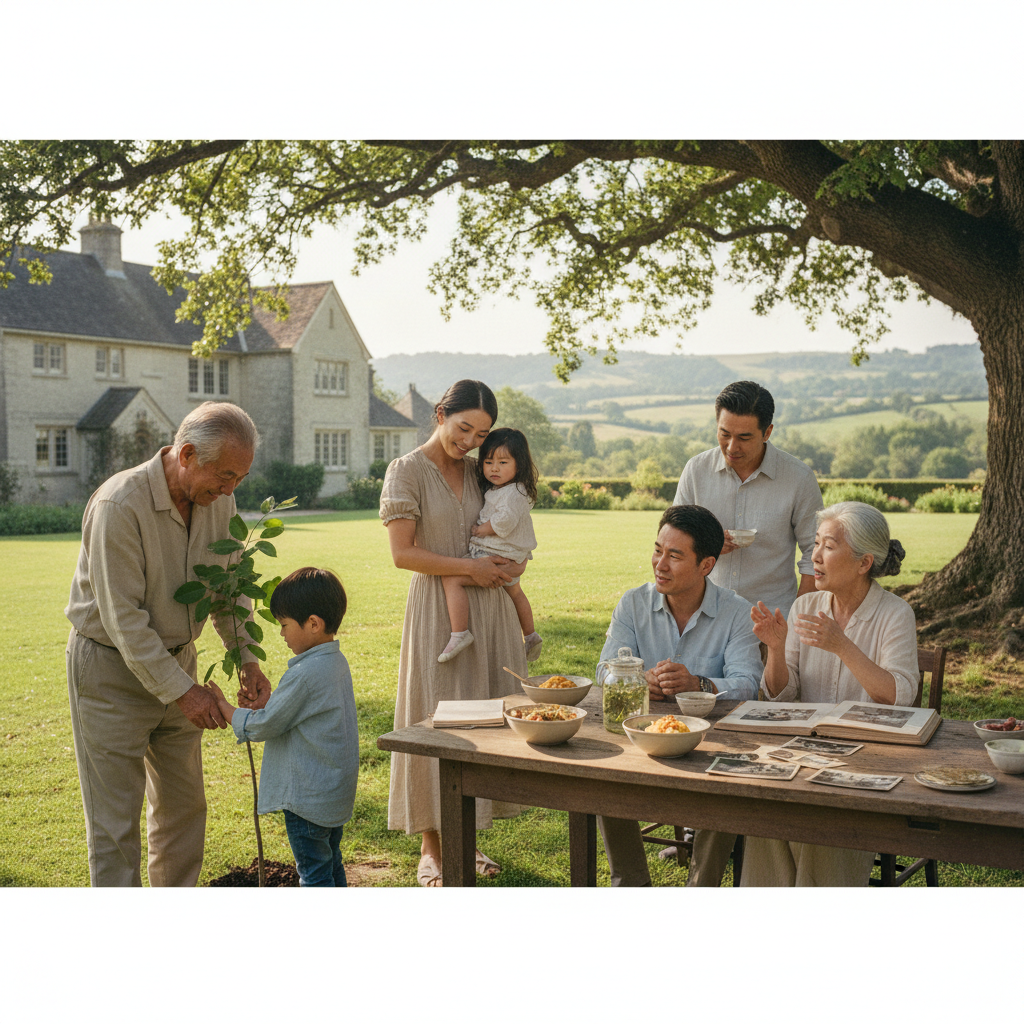
Planting a tree or other suitable plant can be a meaningful shared project, but it needs practical thought. Check that the landowner or relevant authority permits planting, choose a species suited to the site, and consider who will care for it. A garden pot or seasonal flowers may be more appropriate where space, access, or long-term maintenance is uncertain. A living memorial is optional, not a duty that must be maintained to prove remembrance.
For relatives who cannot attend, offer a low-pressure way to join: a short call, a message, or a memory sent in advance. Ask before sharing recordings or photographs with a wider group. People should be able to participate without making their grief public.
Make room for different needs
Consider practical comfort as part of care. Choose a location that is accessible to the people invited, with seating, toilets, and a quiet place to rest. Keep the schedule flexible and the sound at a comfortable level. If travel is tiring, shorten the visit or arrange transport. If someone has hearing, mobility, sensory, or communication needs, ask what would help rather than assuming.
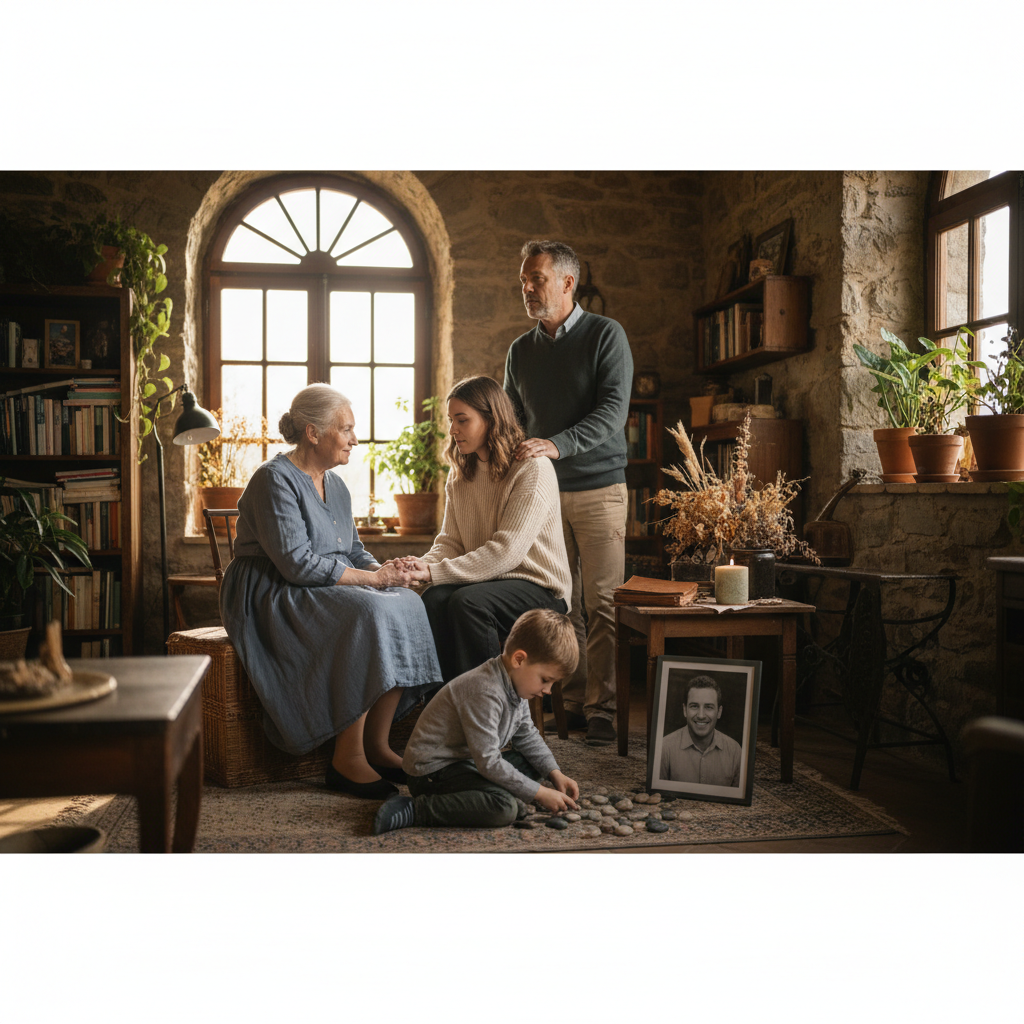
Children can be included in an age-appropriate way, but should not be pressed to speak, make a craft, or display a particular emotion. Tell them plainly what to expect and let them step away with a trusted adult. Adults also need that permission. A person who laughs, talks about ordinary things, or leaves early is not showing disrespect.
Grief reminders can arrive unexpectedly, and reactions differ between people. It may help to plan a quieter activity after the gathering, arrange a check-in with a trusted person, or leave the next morning free of demanding commitments. Keep the plan flexible: if the day feels harder than expected, simplify it. If being together feels welcome, there is no need to reduce every moment to solemn remembrance.
A small planning checklist
Before the day, consider these questions:
- Who would genuinely like to be invited, and how can they decline without pressure?
- Would a gathering feel supportive, or would a quiet personal ritual be better?
- What is the simplest location, duration, and food plan?
- Are there accessibility, transport, privacy, or caregiving needs to account for?
- What will we do if someone becomes upset or wants to leave?
- Which stories, images, or objects are appropriate to share, and who should decide?
The answers may change. It is fine to make a modest plan and revise it as the date approaches. Keep the invitation clear about what is optional and avoid assigning people roles they have not accepted.
After the anniversary
A meaningful day does not have to feel peaceful, and a difficult day does not mean the gathering failed. Some people may feel tired; others may appreciate returning to familiar routines. Check in gently, without asking anyone to rate how well they coped. A simple offer—“Would you like company, practical help, or some space?”—gives the person room to choose.
If grief feels persistently overwhelming or someone is struggling to manage everyday life, encourage them to speak with a trusted health professional or bereavement support service. This is not a judgment about how they are grieving. The first anniversary can be marked in company, quietly, later, or not at all. What matters is making room for choice, care, and the many different ways people remember. Families seeking peer conversation can also visit the MemContinuity Community Noticeboard.
Sources and Further Reading

Reading path
Continue this topic
Six gentle starting points for sharing condolences, planning a personal memorial, inviting people across distance, and returning to memory in your own time.
Pillar guides in this path
A gentle next step
Create a memorial when the time is right
A private memorial can hold a life story, photographs, and messages from the people who care.
“Thank you for sharing this quiet moment of reading with us.”
Every piece in the MemContinuity library is preserved to spark gentle conversations, honor generational memory, and support the health and comfort of our families.
MemContinuity editorial team
MC-CELEBRATION-20260430-044 · Publication archive reference
Cross-device reading sync
Sign in to your MemContinuity account to optionally sync your article reading progress across your phone, tablet, and computer.
Themes & topics
Editorial guidance & care
Our publications are designed to be practical, gentle, and respectful. For specific medical, mobility, or travel arrangements, we recommend consulting local providers or relevant municipal services.
Continue with purpose
Part of a curated reading journey
Related publications
 Life Celebrations
Across Oceans: How Living Digital Memorials Comfort Family Living Abroad
Enabling grandchildren and siblings across different time zones to light virtual candles, view family trees, and share tributes.
 Life Celebrations
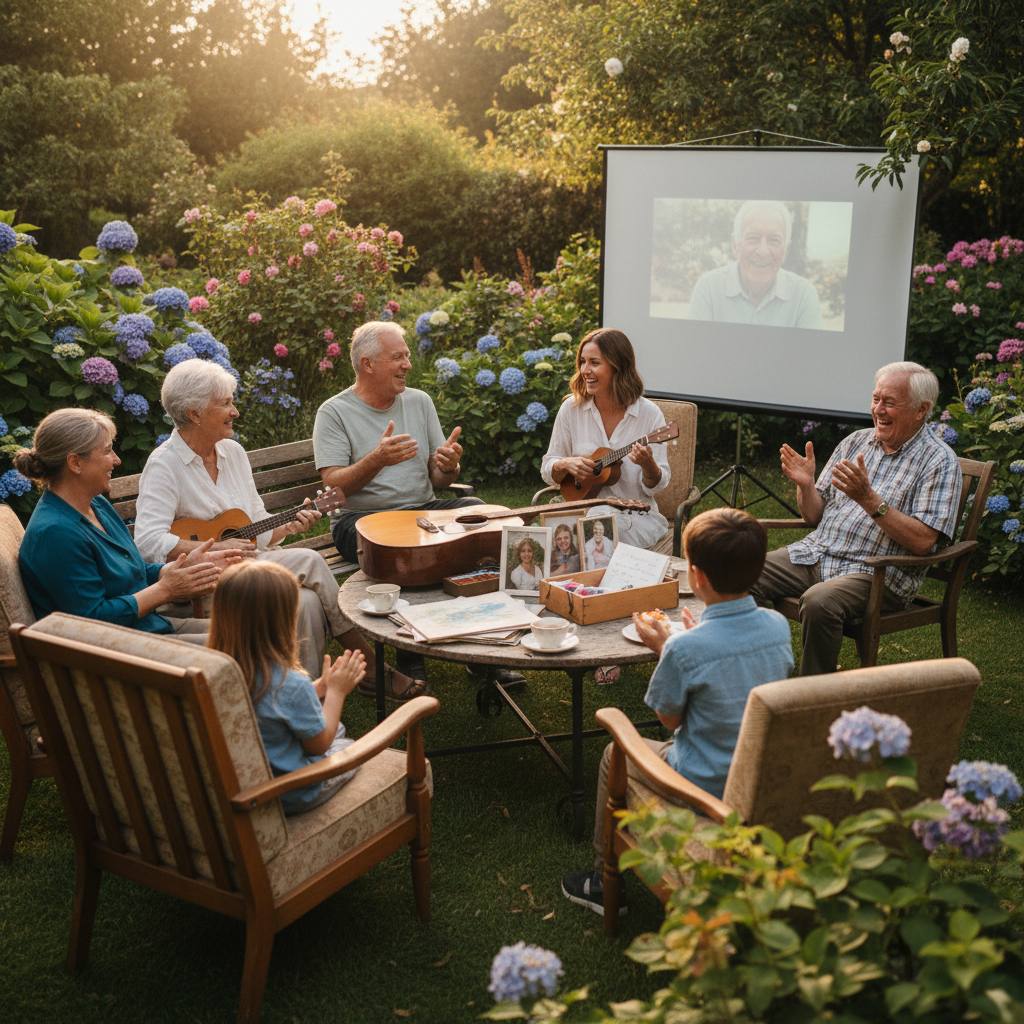
A Life Well Lived: Designing a Personal, Non-Formulaic Memorial Service and Eulogy
Moving beyond somber templates: structuring tributes around passions, humor, favorite songs, and shared memories.
 Life Celebrations
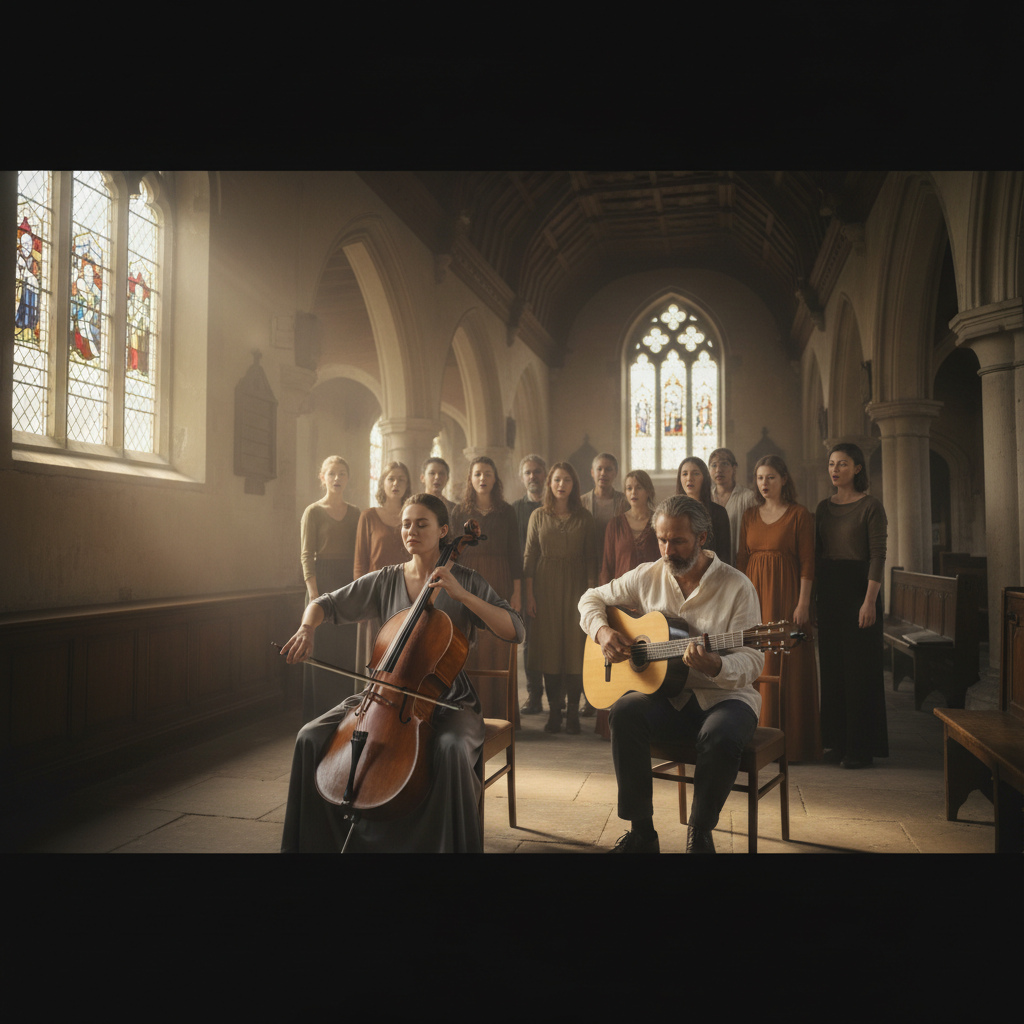
The Consolation of Music: Choosing Acoustic and Classical Pieces for Memorials
The emotional resonance of cello, acoustic guitar, and choral polyphony in supporting gentle mourning and remembrance.
Share the story
Family discussion cards
Take one card at a time. There are no right answers—only memories worth hearing.
What memory did this article bring to mind?
Who in the family might have a story or photograph to add?
What is one small thing we could save, share, or do next?
A quiet conversation can be a meaningful family keepsake.
Subscribe to MemContinuity Publications
Receive thoughtful reflections, local heritage guides, and slow travel stories delivered directly to your inbox. No spam, privacy respected.