The Consolation of Music: Choosing Acoustic and Classical Pieces for Memorials
A gentle, practical guide to choosing acoustic, classical, vocal, or familiar music for a memorial, with attention to consent, logistics, and different ways of grieving.
A compatible device voice is not available. You can still read this article on screen.
 Life Celebrations
Detailed article
Use the text-size control at the top for larger text, or switch back to Easy Read at any time.
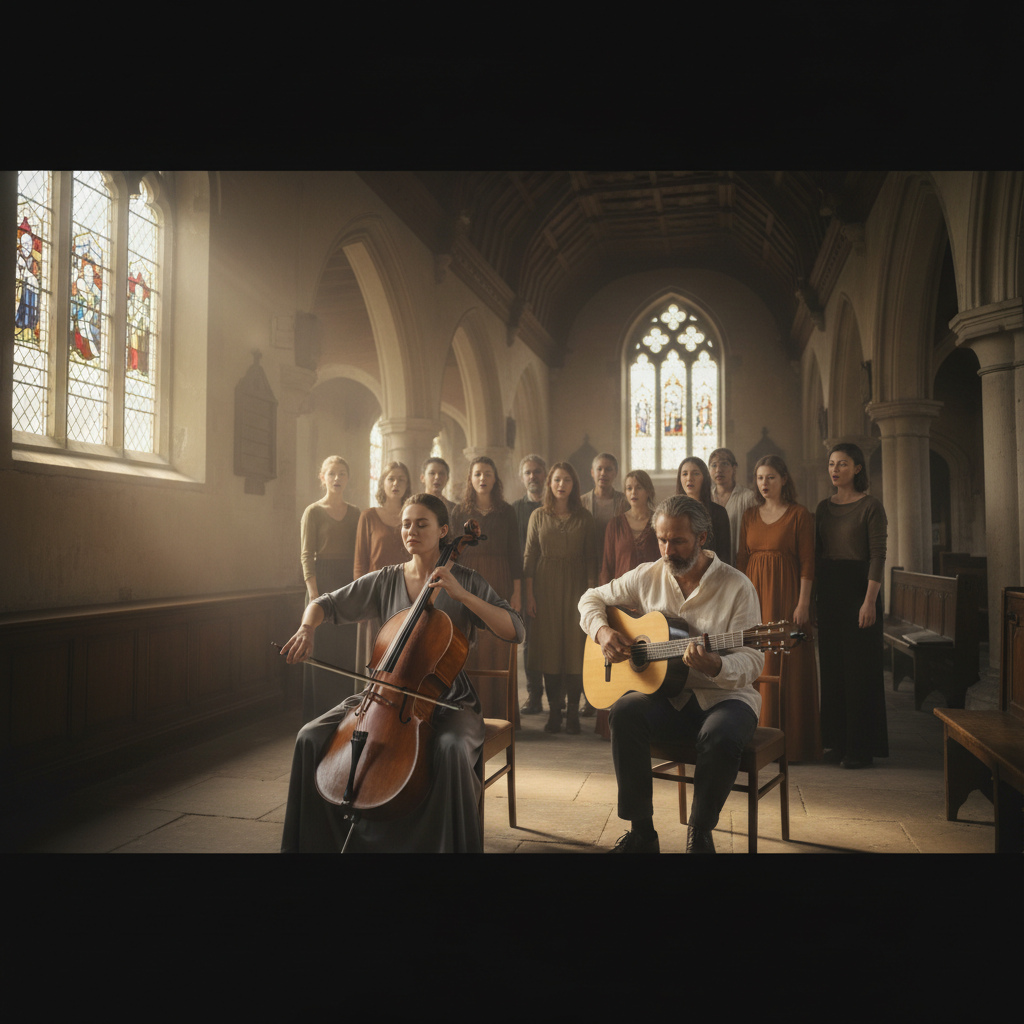
The emotional resonance of cello, acoustic guitar, and choral polyphony can offer a gentle frame for mourning and remembrance. There is no single sound that suits every family or every service. Music may be a familiar song, a quiet instrumental passage, a hymn, or no music at all. The aim is not to produce a prescribed emotion, but to make choices that feel respectful to the person being remembered and considerate of those gathered.
Choosing music that feels personal
Begin with the person’s own relationship to music. A piece they loved, played, sang, danced to, or listened to at home may say more than a conventionally solemn selection. Classical music need not be formal, and acoustic music need not be subdued. A guitar piece might recall a shared evening; a cello line might create space for reflection; a choir or familiar hymn may connect with a faith or community tradition. These are possibilities, not rules.
If the person left specific wishes, use them as a guide while checking practical details with the venue or celebrant. If their preferences are unknown, family members can each suggest one possibility and briefly explain its connection. This keeps the conversation grounded in memories rather than a debate about what a “proper” memorial should sound like. Where relatives disagree, consider a short selection that makes room for more than one aspect of a life, or choose a different element of the service for each person’s contribution. No one needs to defend a private response to a song.
Start with the moments in the service
It can help to plan music by purpose instead of making a long playlist first. A quiet instrumental piece while people arrive can allow conversation to settle. A processional may accompany the beginning of the formal gathering. A selected song or piece can sit between readings, during a pause for reflection, or near the close. Music after the ceremony may have a more conversational role. The service’s format, traditions, and timing will shape what is possible, so ask the officiant or venue coordinator where music fits.
A simple plan might name one piece for arrival, one for a shared moment of remembrance, and one for departure. There is no required number. A single carefully chosen piece may be enough; several may suit a longer service. Note the exact title, performer or version, and the point at which each selection should begin. If a recording has a long introduction or several versions, mark the intended starting point and confirm whether the venue can make that edit.
Acoustic, classical, choral, and familiar songs
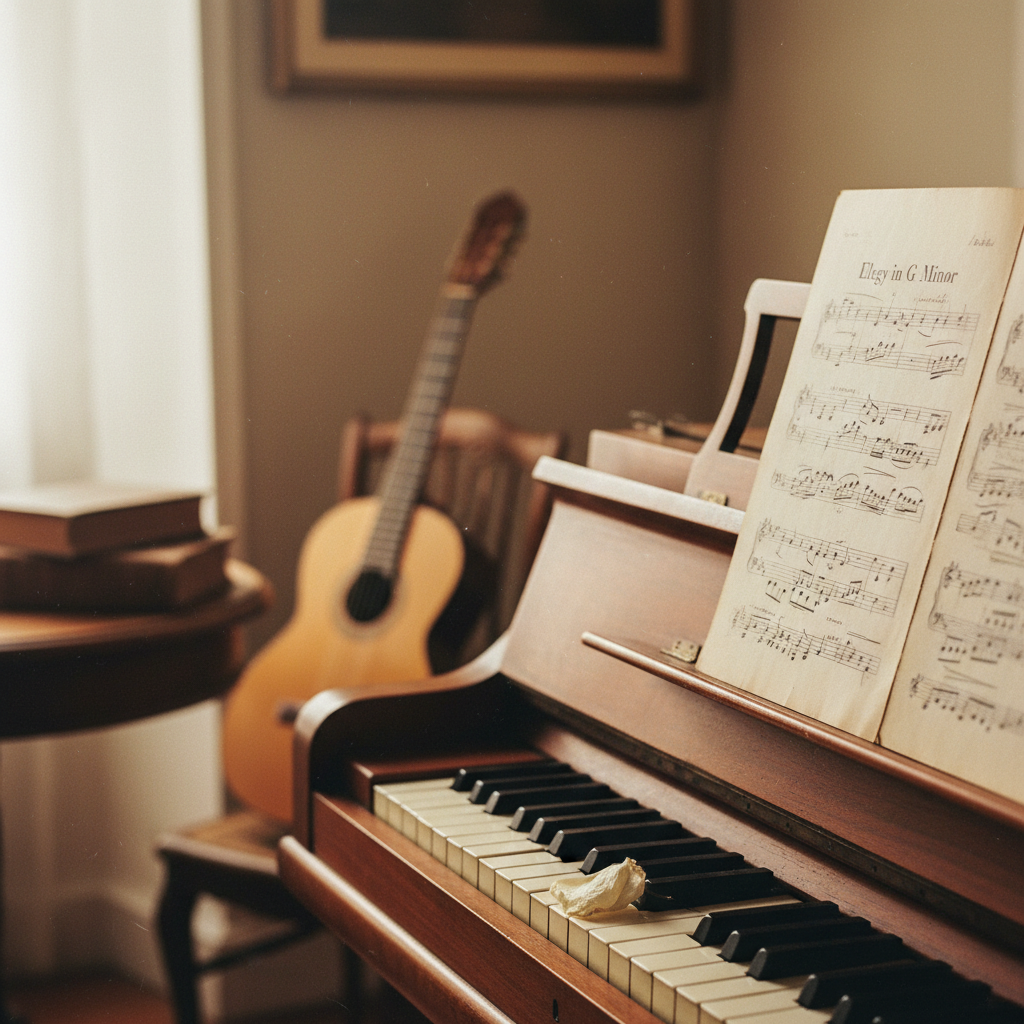
Instrumental music can make a reflective interval feel spacious, particularly when listeners do not need to follow lyrics. Acoustic guitar, piano, strings, or a small ensemble may work well in a modest room, but the sound depends on the performers, instruments, and acoustics. A quiet passage may disappear in a large space, while a resonant instrument may overwhelm a small one. Ask for a sound check and ensure music does not compete with speech.
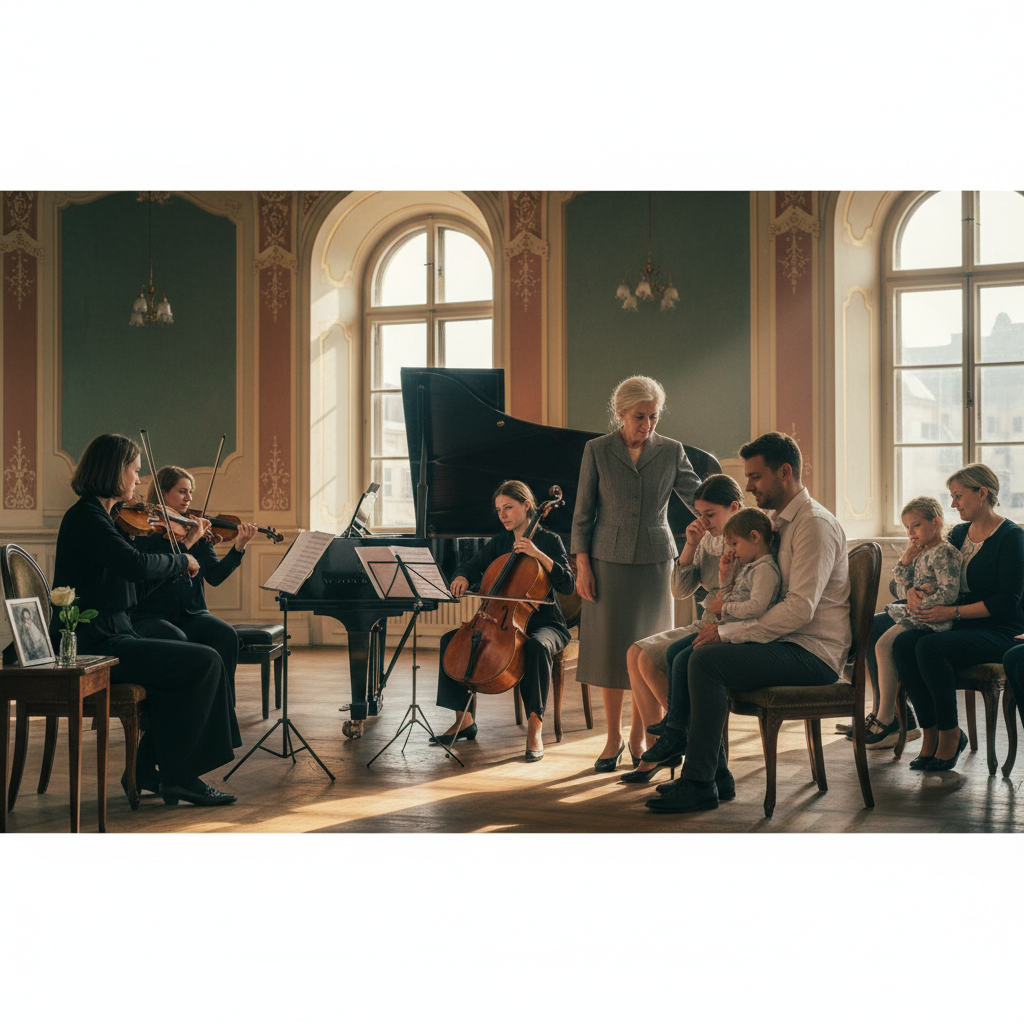
Classical music offers a wide range of moods and lengths, not one universal memorial style. A slow movement can support a pause, while a more buoyant piece may reflect a person’s humour or energy. Choral music can bring a communal quality, whether the choice is sacred or secular. If people are invited to sing, provide the words in an accessible format when appropriate and make participation optional. Some guests may prefer to listen quietly.
A familiar popular song can be just as fitting as a classical selection. The lyrics matter: listen to the whole piece and consider whether its meaning, associations, or particular version will be understood as intended. A song that comforts one person may be painful or unwelcome for another. If there is uncertainty, ask close family members privately, offer an alternative, or leave the song out. A memorial does not need to resolve every interpretation of a life.
Live performance or recorded music
Live music can feel immediate and personal. A friend or relative might sing or play, or the family may engage a musician. Before inviting someone, check that they genuinely want to perform and understand the timing. Performing while grieving can be emotionally demanding; a second person can be ready to take over, and no explanation is needed if the performer changes their mind. Confirm the venue’s space, power, seating, instrument access, arrival time, and any fee with the relevant coordinator.
Recorded music is often simpler to schedule, but it still needs a reliable playback plan. Ask what file formats or devices the venue accepts, who will cue the recording, and whether a backup copy is useful. Test the volume from the seats rather than beside the speaker. Avoid relying on a streaming service’s internet connection or advertisements unless the venue has confirmed a dependable setup. The funeral director, celebrant, or venue staff can clarify what equipment is available.
If the service will be recorded or livestreamed, check music permissions separately with the funeral provider or venue. A license that covers music played at an in-person service may not cover a recording or online broadcast. The National Funeral Directors Association describes licensing arrangements for participating US funeral homes, but rules and coverage differ by location and provider. Do not assume a personal subscription to a music service grants permission to rebroadcast a track. Ask what is covered, whether the chosen song is included, and what alternatives are available if it is not.
Making room for different responses
Grief can affect people in different ways, and feelings may change unexpectedly. Music can bring comfort, sadness, irritation, or no strong reaction; none of these responses needs to be corrected. Avoid describing a selection as something that will heal, console, or bring everyone together. It may be meaningful to some listeners and difficult for others. Allow a quiet alternative, such as stepping outside briefly, and do not ask guests to explain their reaction.
Use invitations rather than demands. Someone may not want to choose music, speak about a memory, sing, or attend every part of a service. Offer choices without treating participation as proof of love. If a song carries a painful association for an immediate family member, take that concern seriously and discuss another option. The aim is a respectful gathering, not a test of whether people grieve in the same way.
A short planning checklist
Before confirming the selections, write down the following: the moment each piece will be used; its exact version and start point; whether it will be performed live or played from a recording; who will cue it; what the room’s equipment can handle; and whether recording or livestreaming changes the permissions needed. Share the final list with the officiant or venue contact and keep a copy with the service notes. If the plan feels complicated, simplify it. Music should support the gathering without becoming another burden for the family.
A gentle close
A memorial’s music need not be grand or perfectly timed. A familiar voice, a shared hymn, or even silence may suit the gathering. Choose with care and leave room for people to listen—or not—in their own way.
Sources and Further Reading
Reading path
Continue this topic
Six gentle starting points for sharing condolences, planning a personal memorial, inviting people across distance, and returning to memory in your own time.
Pillar guides in this path
Family Heritage
QR Codes on Headstones: Permissions, Privacy and Lasting Care
Life Celebrations
The Hand of Solace: How to Write a Condolence Note That Brings Real, Lasting Comfort
Life Celebrations
A Life Well Lived: Designing a Personal, Non-Formulaic Memorial Service and Eulogy
A gentle next step
Create a memorial when the time is right
A private memorial can hold a life story, photographs, and messages from the people who care.
“Thank you for sharing this quiet moment of reading with us.”
Every piece in the MemContinuity library is preserved to spark gentle conversations, honor generational memory, and support the health and comfort of our families.
MemContinuity editorial team
MC-CELEBRATION-20260502-042 · Publication archive reference
Cross-device reading sync
Sign in to your MemContinuity account to optionally sync your article reading progress across your phone, tablet, and computer.
Themes & topics
Editorial guidance & care
Our publications are designed to be practical, gentle, and respectful. For specific medical, mobility, or travel arrangements, we recommend consulting local providers or relevant municipal services.
Related publications
 Life Celebrations
A Life Well Lived: Designing a Personal, Non-Formulaic Memorial Service and Eulogy
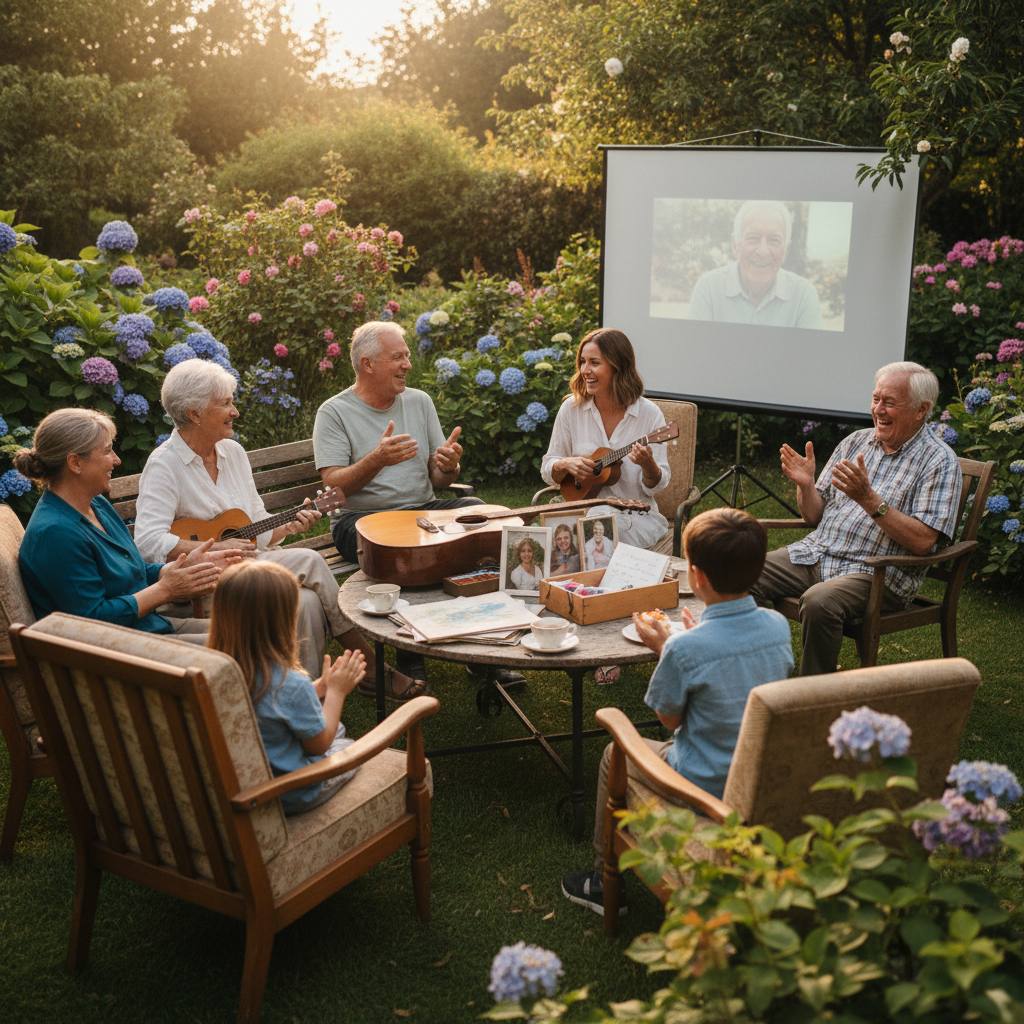
Moving beyond somber templates: structuring tributes around passions, humor, favorite songs, and shared memories.
 Life Celebrations
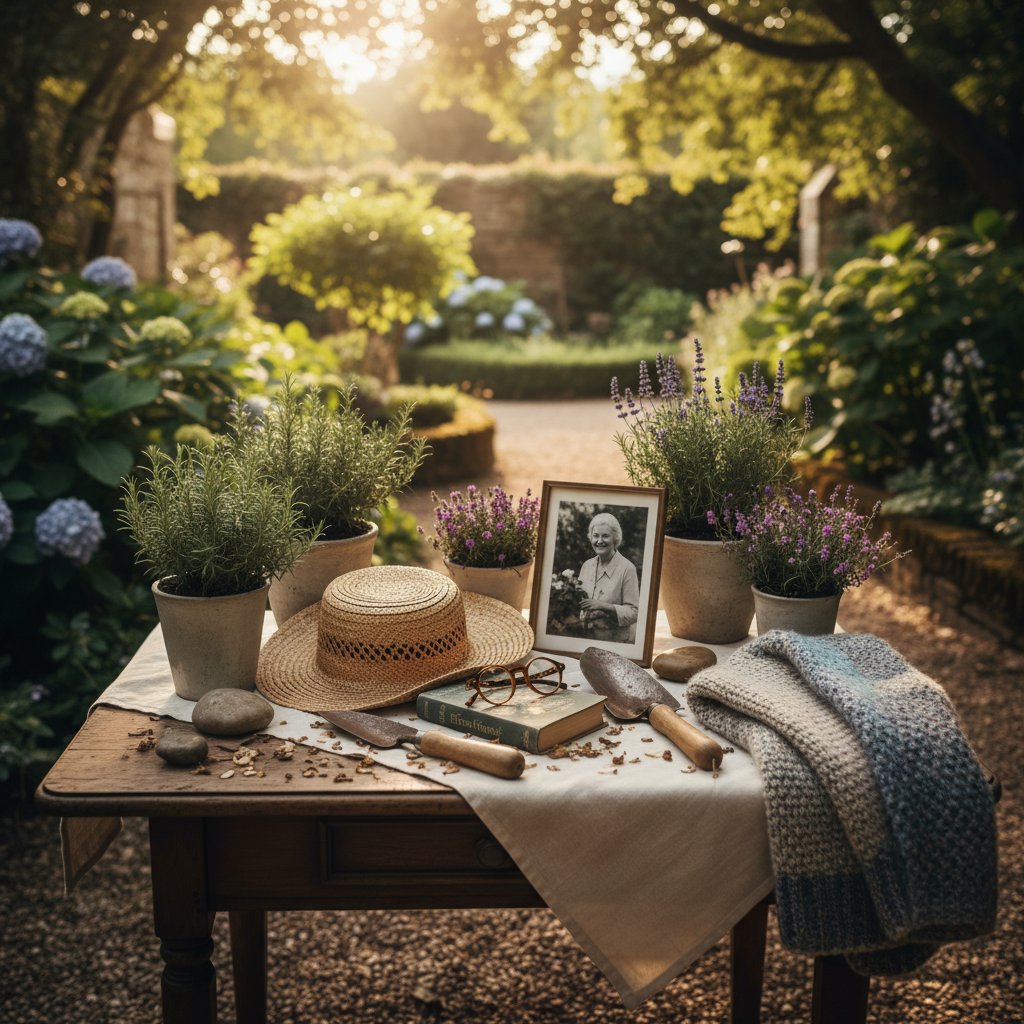
The Memory Table: Curating Everyday Relics, Garden Hats, and Spectacles at Memorials
Why placing a worn gardening trowel, favorite paperback, or wool cardigan brings more comfort to visitors than formal wreaths.
 Life Celebrations
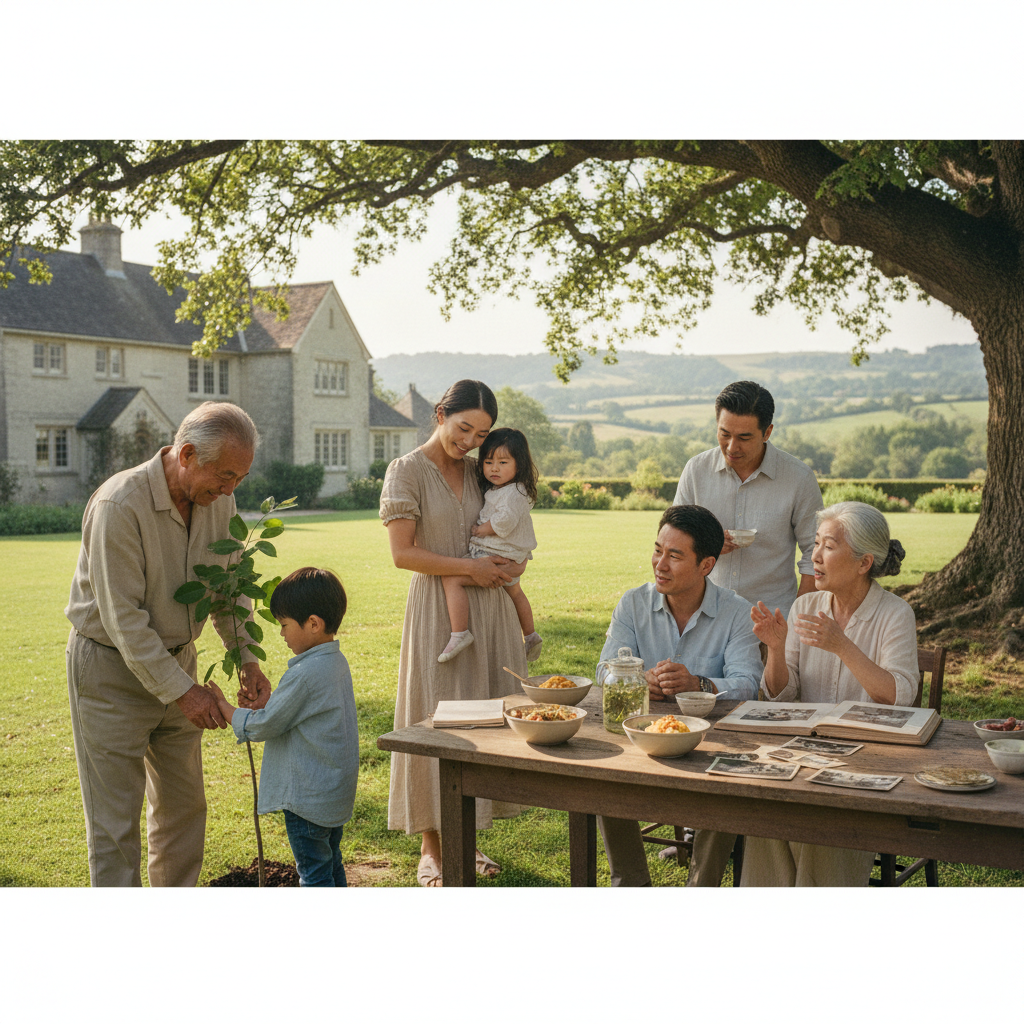
The Turning Year: Quiet and Meaningful Rituals for the First Memorial Anniversary
Navigating the first twelve-month milestone with gentle family meals, planting heritage trees, and sharing stories without pressure.
Share the story
Family discussion cards
Take one card at a time. There are no right answers—only memories worth hearing.
What memory did this article bring to mind?
Who in the family might have a story or photograph to add?
What is one small thing we could save, share, or do next?
A quiet conversation can be a meaningful family keepsake.
Subscribe to MemContinuity Publications
Receive thoughtful reflections, local heritage guides, and slow travel stories delivered directly to your inbox. No spam, privacy respected.