Ink on Paper: Preserving Fragile Handwritten Family Letters and Grandmother’s Recipe Books
Practical, conservation-informed ways to handle, store, document, and share fragile family letters and handwritten recipe books.
A compatible device voice is not available. You can still read this article on screen.
 Family Heritage
Detailed article
Use the text-size control at the top for larger text, or switch back to Easy Read at any time.
A handwritten letter or recipe notebook carries both information and family meaning. Begin by reducing handling, improving storage, and recording what you have. Fragile pages, uncertain inks, and damaged bindings may need advice from a paper conservator.
Begin with a calm condition check
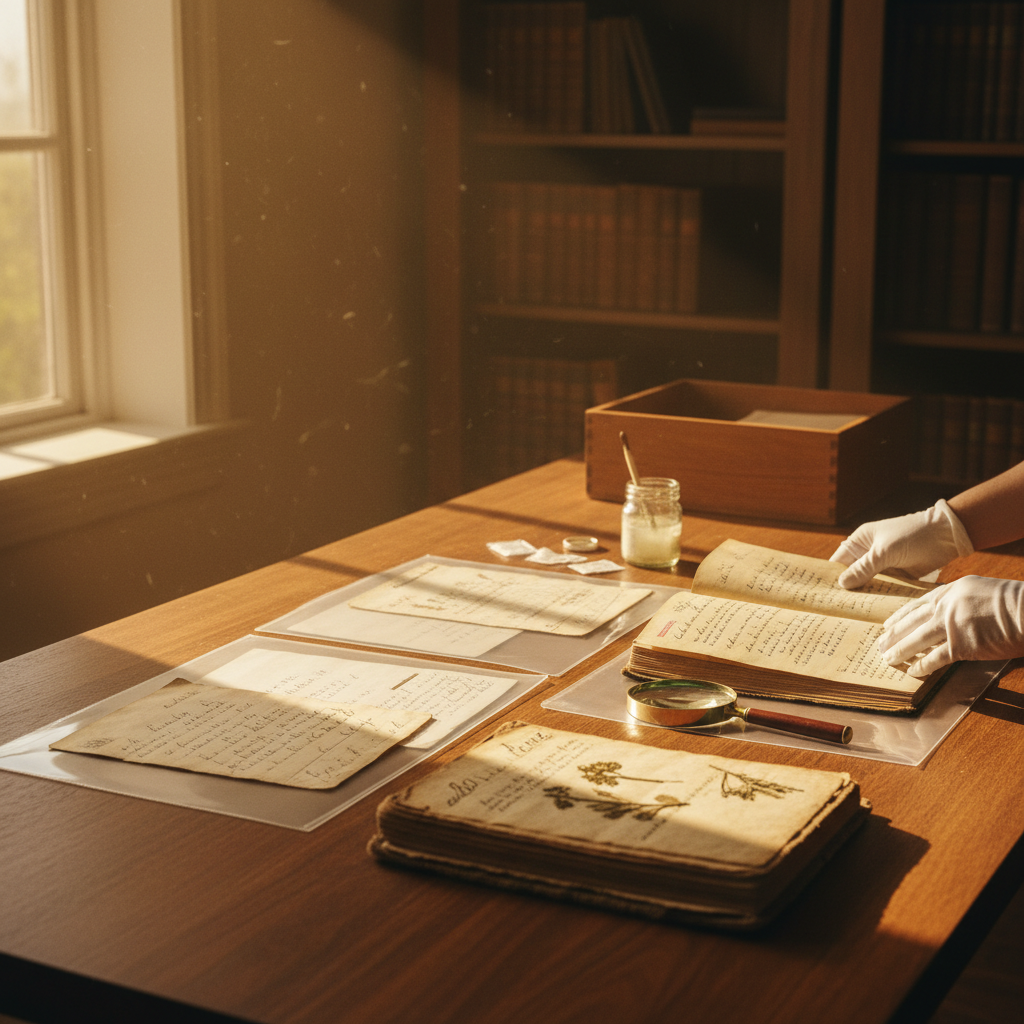
Choose a clean, dry table with enough room to support the whole item. Wash and dry your hands, move food and drink away, and keep pens, adhesive notes, clips, and rubber bands off the papers. Use a pencil for any notes, and write on a separate sheet rather than on the original. Clean hands are often more practical than cotton gloves for paper: gloves can reduce grip and dexterity. If a page is very weak, avoid handling it directly and move it on a rigid, clean support.
Look without trying to fix anything. Note whether a sheet is brittle, torn, stuck to another page, unusually shiny or powdery, or marked by water, insects, or mould. Check whether the book’s cover or spine is loose and whether pages resist opening. Do not pull at stuck pages, unfold a stubborn letter, brush away deposits, erase marks, or flatten a curl with weights. These actions can tear weakened fibres or detach fragile writing. If active mould, flaking ink, severe tears, or a failing binding is present, stop and ask a paper conservator for advice.
Choose a safer place and enclosure
Paper is vulnerable to prolonged heat, dampness, light, and rough handling. Store letters and books in a clean, stable indoor place, away from direct sun, radiators, vents, pipes, exterior-wall leaks, and areas prone to flooding. Attics, garages, and damp basements often experience wide environmental swings or moisture, so they are poor choices for treasured originals. Keep containers off the floor and inspect the storage area periodically for signs of leaks, insects, or mould.
For loose letters in sound condition, use folders and a sturdy document box that are acid-free and lignin-free; buffered or neutral-pH options are commonly used for paper, but a conservator should advise when the writing medium is unknown or visibly fragile. A product described only as “archival” does not by itself tell you whether it suits a particular object. Separate brittle or acidic sheets from other papers rather than letting them press against everything else. Avoid overfilling a box. Documents stored upright should be supported so they do not slump; very fragile sheets are safer lying flat.
A handwritten recipe book needs support as a bound object. Store it flat when the binding is weak, and do not force it open to a right angle or press the pages flat. A clean, supportive box can keep the covers from being crushed and help prevent loose pages from shifting. Do not put a plastic sleeve around a bound book or tuck sharp-edged sleeves between its pages. Loose inserts should be kept separately in a labelled, suitable folder so they are not lost or pressed into the binding.
Light can fade some inks and accelerate paper deterioration, so keep originals in dark storage when they are not being consulted. If you choose to display a letter, limit the time and light exposure; framing choices such as suitable matting and glazing are best discussed with a qualified framer familiar with conservation. Keep the paper from touching the glass, and retain a digital or photographic copy for routine viewing.
Make a digital reference without risking the original
A copy can make a letter easier to read and reduce repeated handling, but digitizing should never come at the cost of forcing a fragile object. Photograph a sound, loose sheet on a clean support with even light, keeping the camera parallel and the whole page in frame. Avoid flash if the item is light-sensitive or its condition is uncertain. For a bound recipe book, photograph only pages that open comfortably. Do not use a flatbed scanner that requires pressure, hold down a curled page with glass, or force a tight spine open. A cradle-based digitization service or conservator may be safer for a weak binding.
Save a full-resolution master image and a second copy in a separate location. Use a clear filename that does not claim uncertain dates or identities, such as Recipe-book-page-01. Keep a short note with the file: who supplied the item, what is known about its ownership, when it was photographed, and any uncertainty. Do not treat the digital copy as a substitute for caring for the original; it is a useful access and backup copy, not a repair.
Capture context while it is available
A recipe page may have abbreviated quantities, an unfamiliar ingredient name, or a note in the margin. Preserve the wording as written when transcribing, and mark uncertain readings with brackets or a question mark rather than silently guessing. A separate transcription can include a modern explanation, but distinguish that explanation from the original text. The same approach works for letters: record names, dates, and places only when they are legible or independently known. A blank or uncertain field is better than a confident invention.
If relatives want to discuss the material, invite rather than test them. Ask whether they would like to look at one page, tell a story, or leave it for another time. People may remember different details, and nobody needs to disclose a private family story. With permission, record who provided an identification or recollection and when; make clear that a memory is a recollection, not proof of every date or event. Keep contact details or sensitive notes private according to the family’s wishes.
A simple inventory for the next caretaker
A brief inventory helps prevent loss. Record an item number, description, dimensions, known owner, supported dates, location, and condition. For a recipe book, record whether it is bound, whether pages are loose, and whether inserts are stored separately. Add where a digital copy is saved and who may access it. Keep the inventory with the box but not attached to an original.
Ask whether the item is stable enough to handle, needs support, shows signs of damp or pests, and can be copied without force. When unsure, seek advice rather than experiment.
When to seek conservation help
Home care is about prevention, not restoration. Tape, glue, lamination, household stain removers, erasers, and improvised pressing can cause damage that is difficult to reverse. Do not separate stuck pages or attempt to remove mould yourself. Isolate an item with visible mould from other papers without shaking or brushing it, and contact a conservator for safe next steps. If a letter is brittle, ink is lifting, a page is torn through writing, or a notebook cannot open without strain, ask a paper conservator before copying, cleaning, or repair.
Preservation does not require a perfect archive or a long family gathering. A clean support, a suitable box, and a modest written record can help protect the object and respect the people connected to it.
Sources and Further Reading
Reading path
Continue this topic
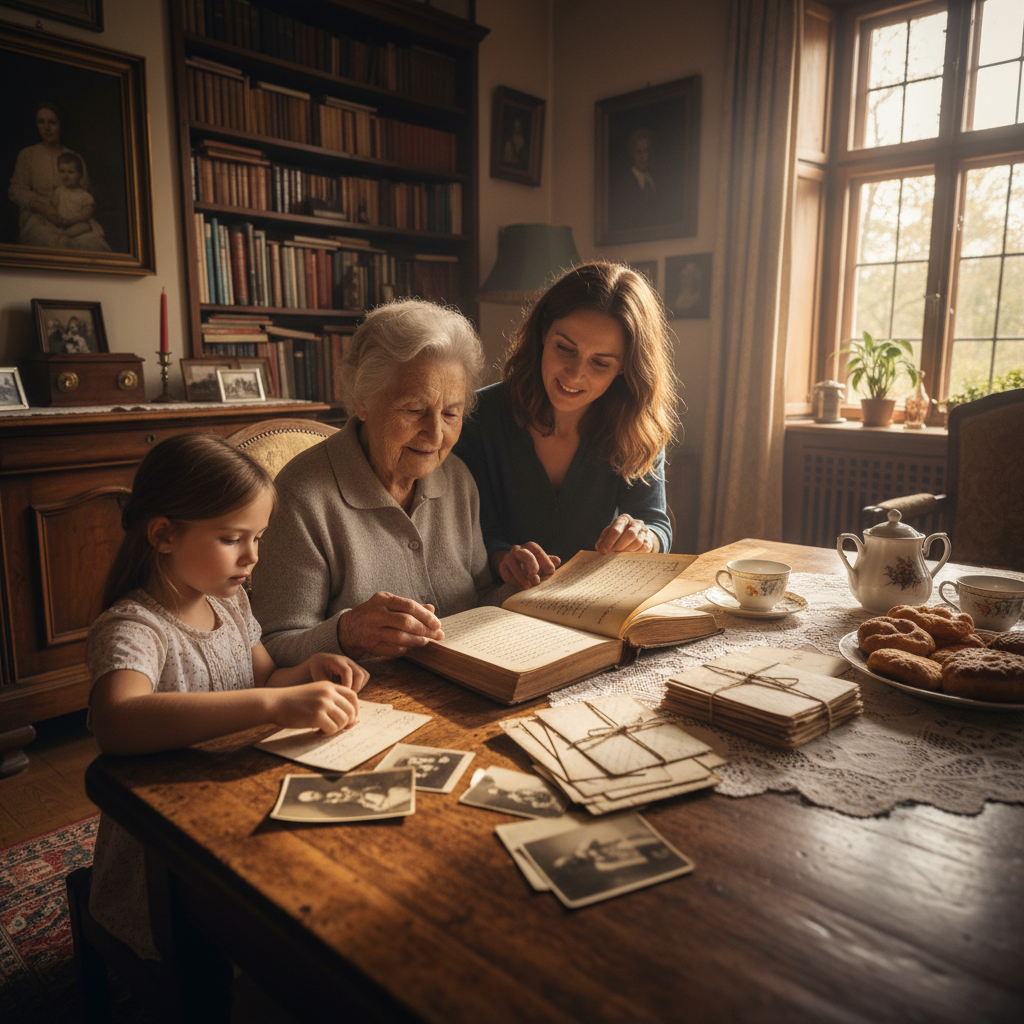
Use familiar dishes, recipe notes, and shared meals to bring family stories naturally into the conversation.
Pillar guides in this path
A gentle next step
Keep a related family story
If this topic brings a family memory to mind, you can save it at your own pace.
“Thank you for sharing this quiet moment of reading with us.”
Every piece in the MemContinuity library is preserved to spark gentle conversations, honor generational memory, and support the health and comfort of our families.
MemContinuity editorial team
MC-HERITAGE-20260528-016 · Publication archive reference
Cross-device reading sync
Sign in to your MemContinuity account to optionally sync your article reading progress across your phone, tablet, and computer.
Themes & topics
Editorial guidance & care
Our publications are designed to be practical, gentle, and respectful. For specific medical, mobility, or travel arrangements, we recommend consulting local providers or relevant municipal services.
Continue with purpose
Part of a curated reading journey
Related publications
 Family Heritage
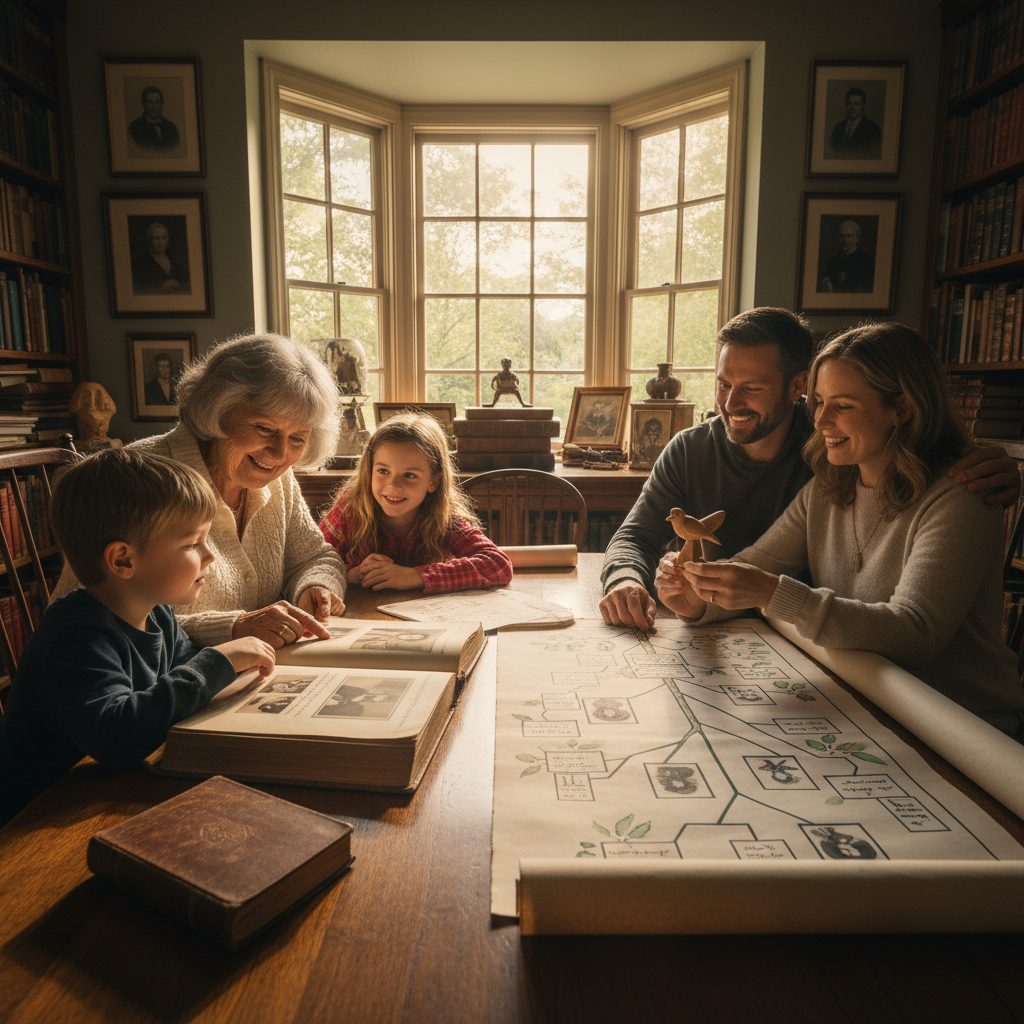
The Living Family Tree: Engaging Children and Grandchildren with Tactile Ancestral Lore
Moving beyond dry genealogical charts to share character anecdotes, physical likenesses, and enduring virtues with youth.
 Family Heritage
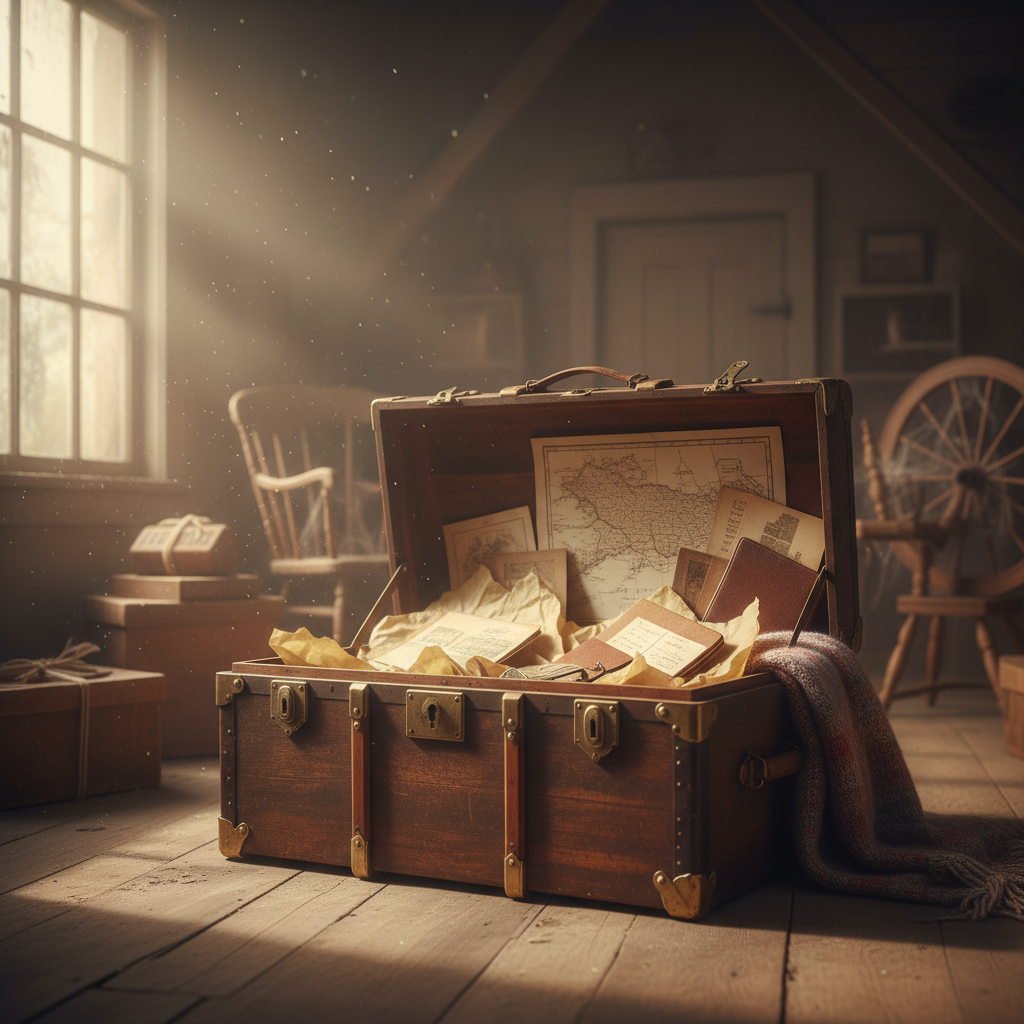
Unlocking the Family Attic: Safely Handling Century-Old Trunks and Boxes
How to open forgotten heirloom chests without damaging crumbling paper, dried leather, or insect-damaged albums.
 Family Heritage
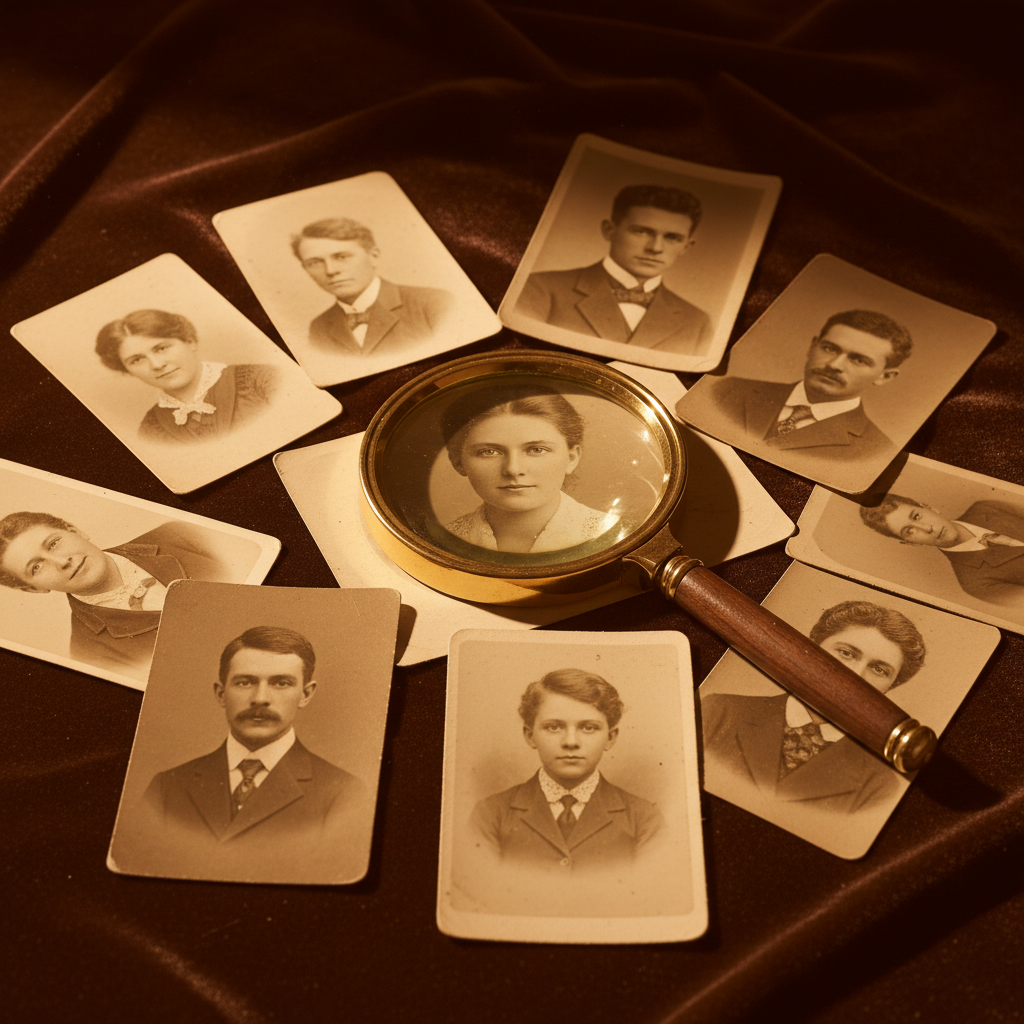
Faces from the Past: Dating Unnamed Family Photographs by Fashion and Collar Styles
Using Victorian high collars, Edwardian hats, and mid-century fabrics to pinpoint photographic decades accurately.
Share the story
Family discussion cards
Take one card at a time. There are no right answers—only memories worth hearing.
What memory did this article bring to mind?
Who in the family might have a story or photograph to add?
What is one small thing we could save, share, or do next?
A quiet conversation can be a meaningful family keepsake.
Subscribe to MemContinuity Publications
Receive thoughtful reflections, local heritage guides, and slow travel stories delivered directly to your inbox. No spam, privacy respected.