The Living Family Tree: Engaging Children and Grandchildren with Tactile Ancestral Lore
Help children meet family history through stories, photographs, familiar objects, and small creative activities—at a pace that respects everyone’s comfort and privacy.
A compatible device voice is not available. You can still read this article on screen.
 Family Heritage
Detailed article
Use the text-size control at the top for larger text, or switch back to Easy Read at any time.
Moving beyond dry genealogical charts to share character anecdotes, physical likenesses, and enduring virtues with youth.
A family tree can begin with a story
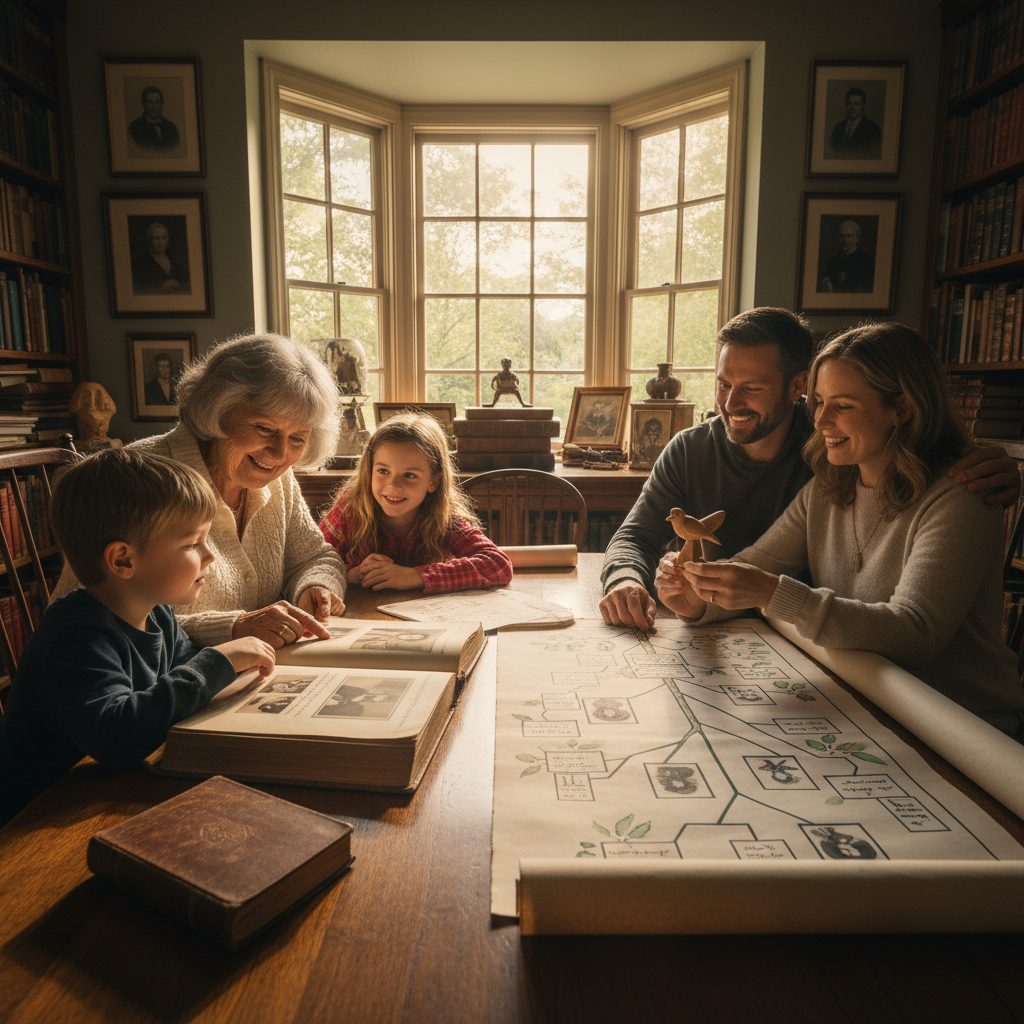
A family tree is useful for names and relationships, but it cannot hold everything a child may want to know: what a relative enjoyed doing, how a family celebrated, or what an ordinary day once looked like. A small story connected to a photograph, recipe card, household object, or familiar phrase can give that history a human scale. The aim is not to present a perfect family record. It is to make room for curiosity and connection, while being honest about what is known and what has been forgotten.
There is no required age or format. A young child might choose a picture or draw a favorite family food. An older child may enjoy asking questions, comparing memories, or writing a short account. Some relatives prefer to talk; others may want to point to a photograph, listen, or simply join the activity without sharing a personal story. Participation should always be an invitation, not a test.
Begin with one object or question
Choose something easy to explore together: a copy of a photograph, a familiar recipe, a piece of music, a place on a map, or an object that can be handled safely. Ask an open, uncomplicated question such as “What do you remember about this?” or “Who used this, and what do you know about it?” Then give the storyteller time to answer. A child can ask a follow-up, make a drawing, or choose a different subject.
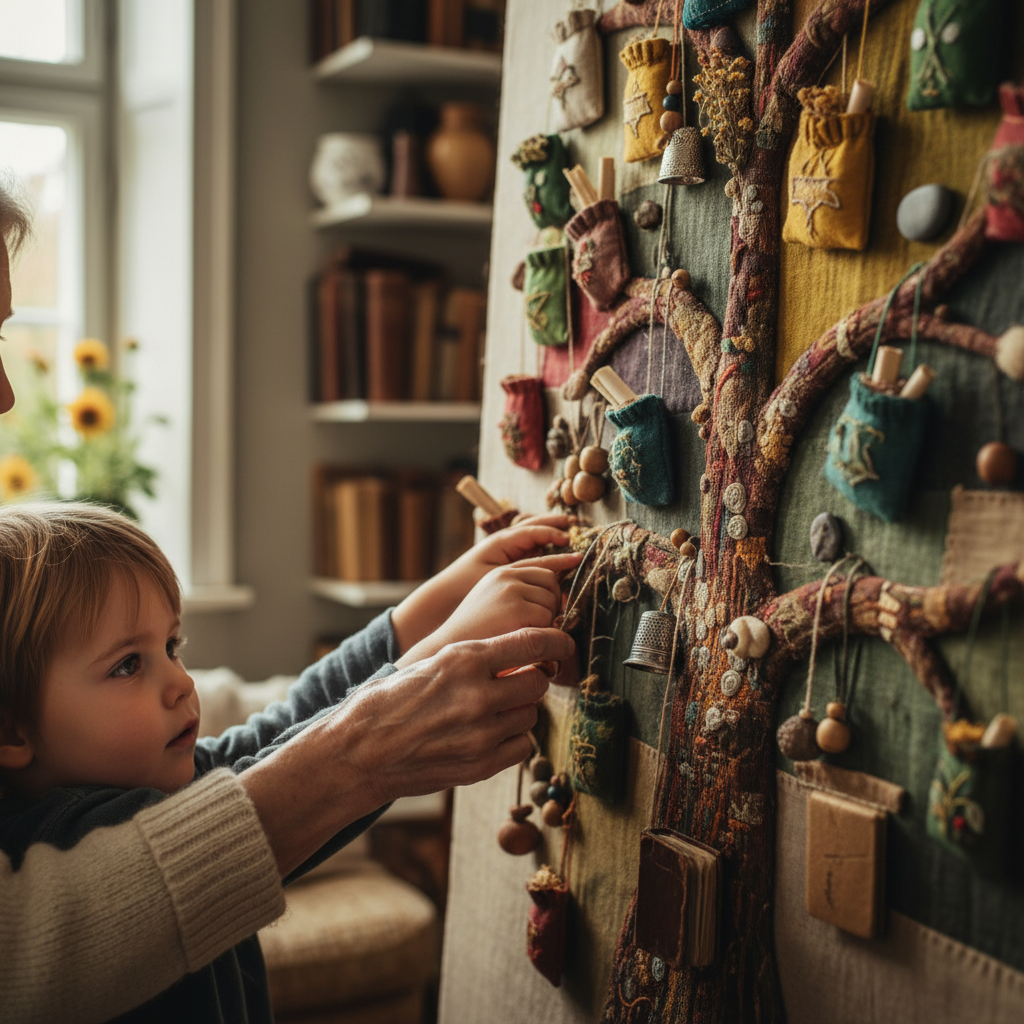
The U.S. National Archives suggests a child-friendly “Family Food Tree”: ask relatives about a favorite food eaten with family, note or draw their answers, and make a tree from the pictures or words. The activity can lead to a conversation about why different people remember different dishes. It does not require a complete recipe or a claim that a dish represents an entire culture. A family can adapt the idea around music, games, sayings, or places instead.
Keep the activity short enough to remain enjoyable. A few minutes around a meal or during a visit may be plenty; there is no need to enforce a fixed weekly schedule. If attention, energy, hearing, eyesight, or hand movement make the activity tiring, offer larger print, a clear copy, spoken prompts, a partner to write or draw, or a quiet break. The person whose story it is should be able to change the subject or stop.
Let photographs and keepsakes prompt, not prove
A photograph can invite observation before explanation. Ask a child what they notice: clothing, a setting, a pose, or who appears to be standing together. An older relative may recognize someone or recall the occasion. Write down names, dates, and the source of the identification where known. If nobody is sure, label it “possibly” or “unidentified” rather than turning a guess into a fact. Children can learn that family history is assembled from memories and records, and that some questions remain open.
For fragile letters, photographs, or heirlooms, use a clean copy or look together without passing the original around. Let an adult manage delicate items. A drawing, printed image, or simple paper tree can provide the tactile part of the activity without risking damage. Avoid asking a child to touch an object that may be sharp, breakable, or otherwise unsuitable.
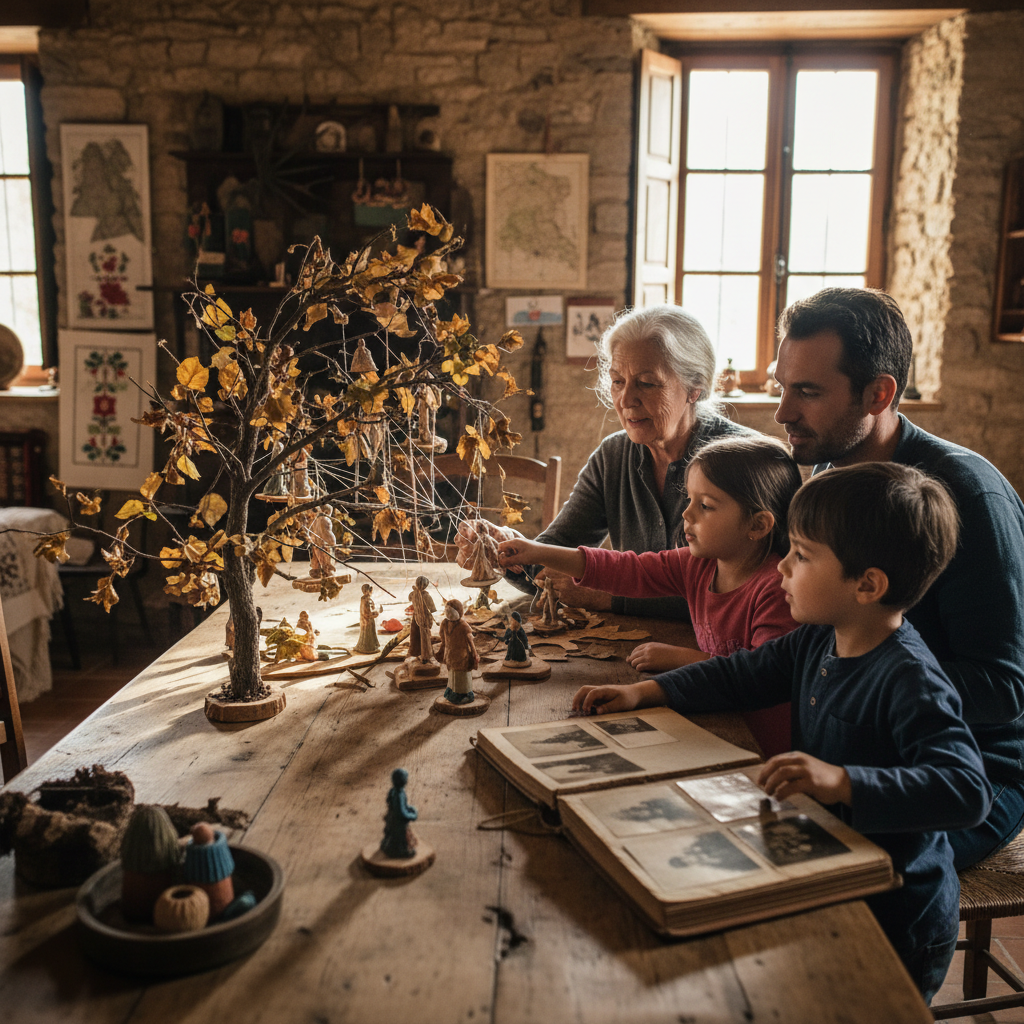
Not every family has the same documents, objects, or access to relatives. A story can begin with a remembered phrase, a place-name, a family game, or a question about a relative who is no longer living. Families formed through adoption, fostering, migration, donor conception, step-relations, or chosen kin may want a tree that reflects the relationships they consider meaningful. There is no single required diagram. Invite children to help decide whom or what to include, using language that is respectful and accurate for their family.
Ask gently and respect boundaries
A conversation can be simple rather than formal. The Library of Congress’s family-history guide for children suggests asking older relatives about their lives and asking permission before recording a conversation. Possible prompts include: “What did you like to play?” “What was a usual day like when you were my age?” “Who taught you this?” or “Is there a family saying you remember?” Questions that invite a story tend to leave more room than questions that demand a particular answer.
Before using a phone or recorder, explain what will be captured and who might hear it. Ask whether the person agrees to recording and to any later sharing; permission to record does not automatically mean permission to post or send it widely. If the person declines, take notes only if they want that, or simply listen. Do not record secretly. Ask again before sharing a child’s drawing, a relative’s words, or identifying details beyond the family.
Some histories involve grief, conflict, separation, discrimination, or private information. Adults can select an age-appropriate amount to share without asking a child to keep unsafe secrets or take responsibility for an adult’s feelings. It is all right to say, “We do not know,” “We remember that differently,” or “That is a private matter.” If a child or relative seems uncomfortable, pause and choose a lighter subject. The goal is respectful conversation, not disclosure.
Make a small, lasting record
After the conversation, invite the child to choose how to remember it: a labeled drawing, a few sentences, a family-food tree, a map with a story attached, or an audio clip kept with permission. Add who shared the account and when it was recorded, where practical. Distinguish a remembered story from information confirmed by a document. This simple note helps future readers understand where the account came from without pretending every detail is certain.
Keep the record somewhere the family can find it, and decide together who should have access. A paper folder may suit some families; others may use a private digital album. Avoid putting sensitive family details or children’s identifying information in public posts without informed agreement from the people concerned. You can share only a selected story, use first names, or keep the project within the household.
Keep the invitation open
A living family tree need not be a large chart or a polished archive. It might be one name, one remembered recipe, and a child’s question. Let young people contribute in their own way, and allow older relatives to choose what they want to tell. A good session can end with curiosity still unresolved. Return to another photograph or story only if people want to; listening with care matters more than completing a tree.
Sources and Further Reading
Reading path
Continue this topic
Small, playful ways to share stories across generations—without turning family time into a history lesson.
Pillar guides in this path
A gentle next step
Keep a related family story
If this topic brings a family memory to mind, you can save it at your own pace.
“Thank you for sharing this quiet moment of reading with us.”
Every piece in the MemContinuity library is preserved to spark gentle conversations, honor generational memory, and support the health and comfort of our families.
MemContinuity editorial team
MC-HERITAGE-20260523-021 · Publication archive reference
Cross-device reading sync
Sign in to your MemContinuity account to optionally sync your article reading progress across your phone, tablet, and computer.
Themes & topics
Editorial guidance & care
Our publications are designed to be practical, gentle, and respectful. For specific medical, mobility, or travel arrangements, we recommend consulting local providers or relevant municipal services.
Continue with purpose
Part of a curated reading journey
Related publications
 Family Heritage
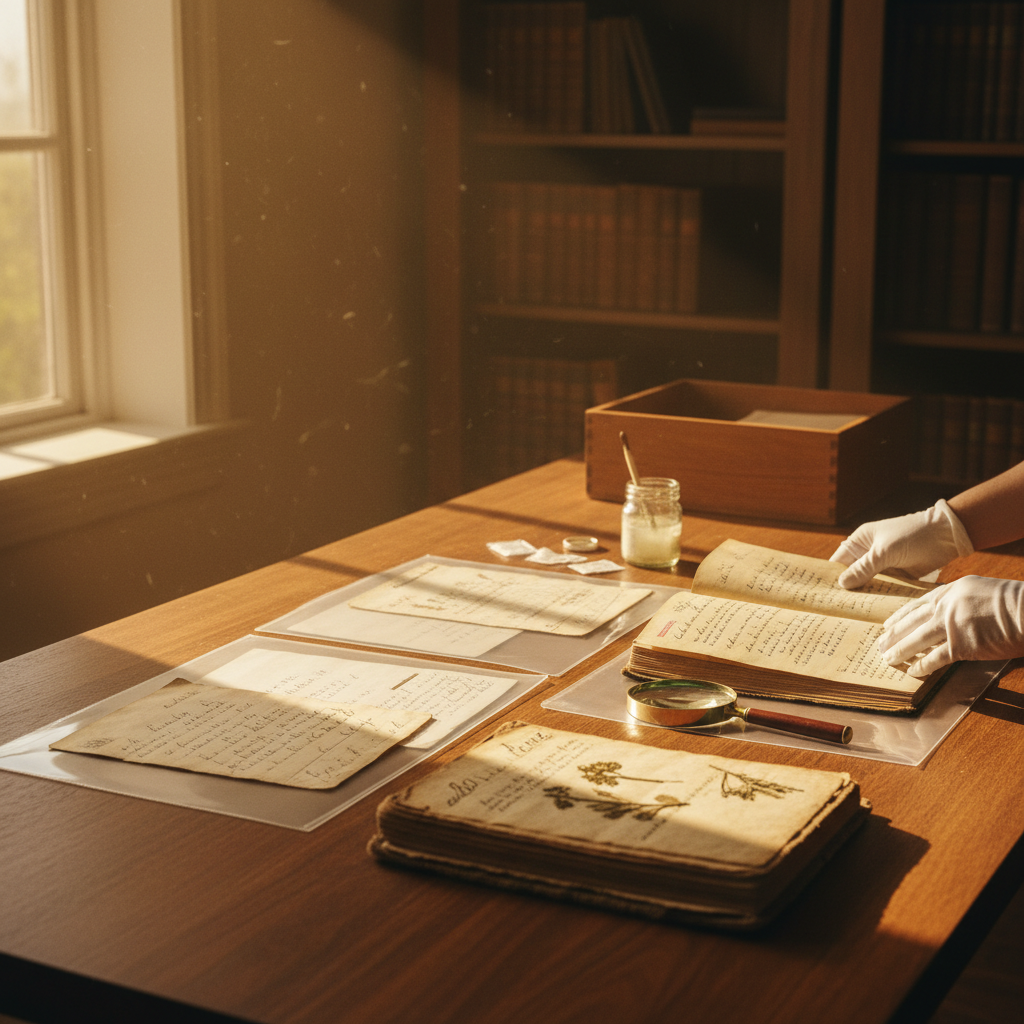
Ink on Paper: Preserving Fragile Handwritten Family Letters and Grandmother’s Recipe Books
Practical archival methods for halting ink degradation, acid migration, and insect damage in treasured family correspondence.
 Family Heritage
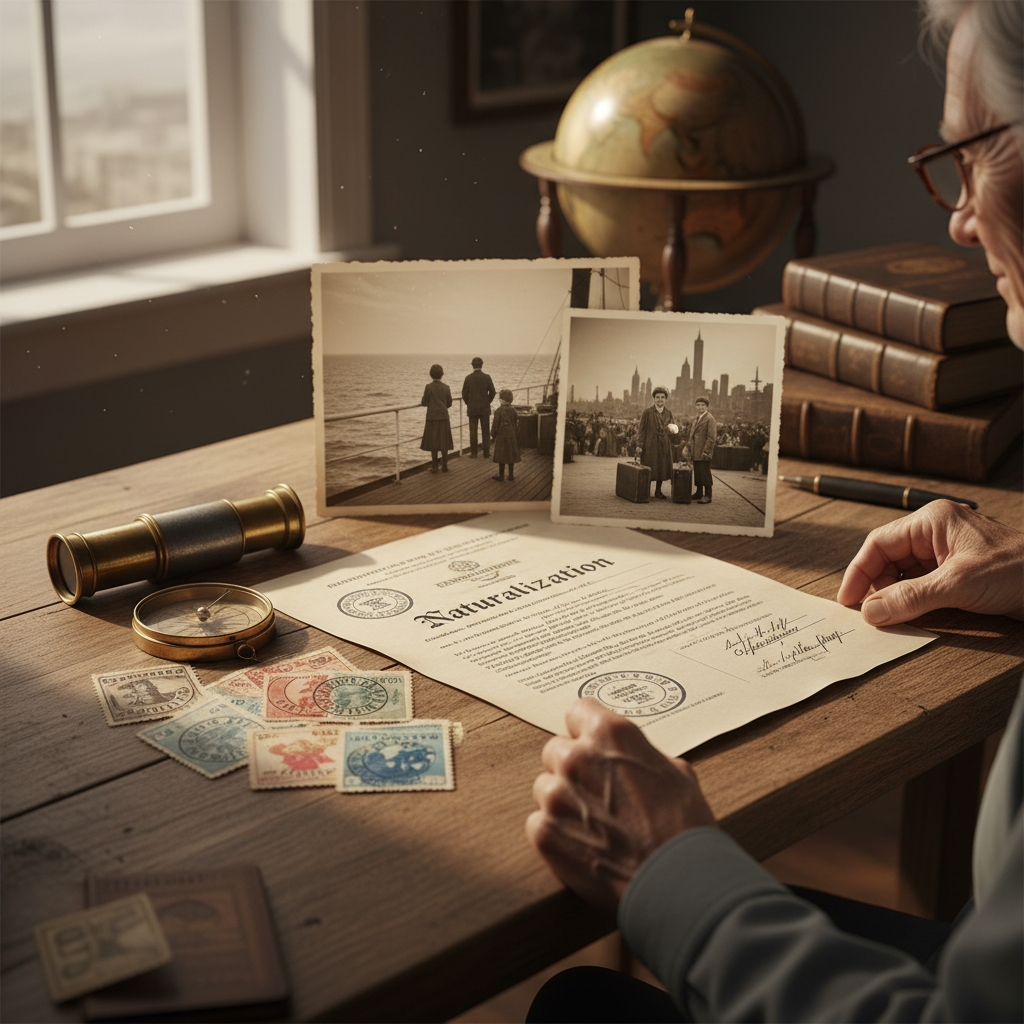
The Ocean Crossing: Documenting Ancestral Migration Routes, Ships, and New Beginnings
Preserving naturalization certificates, passport stamps, and the brave leaps of faith that brought our families to new shores.
 Family Heritage
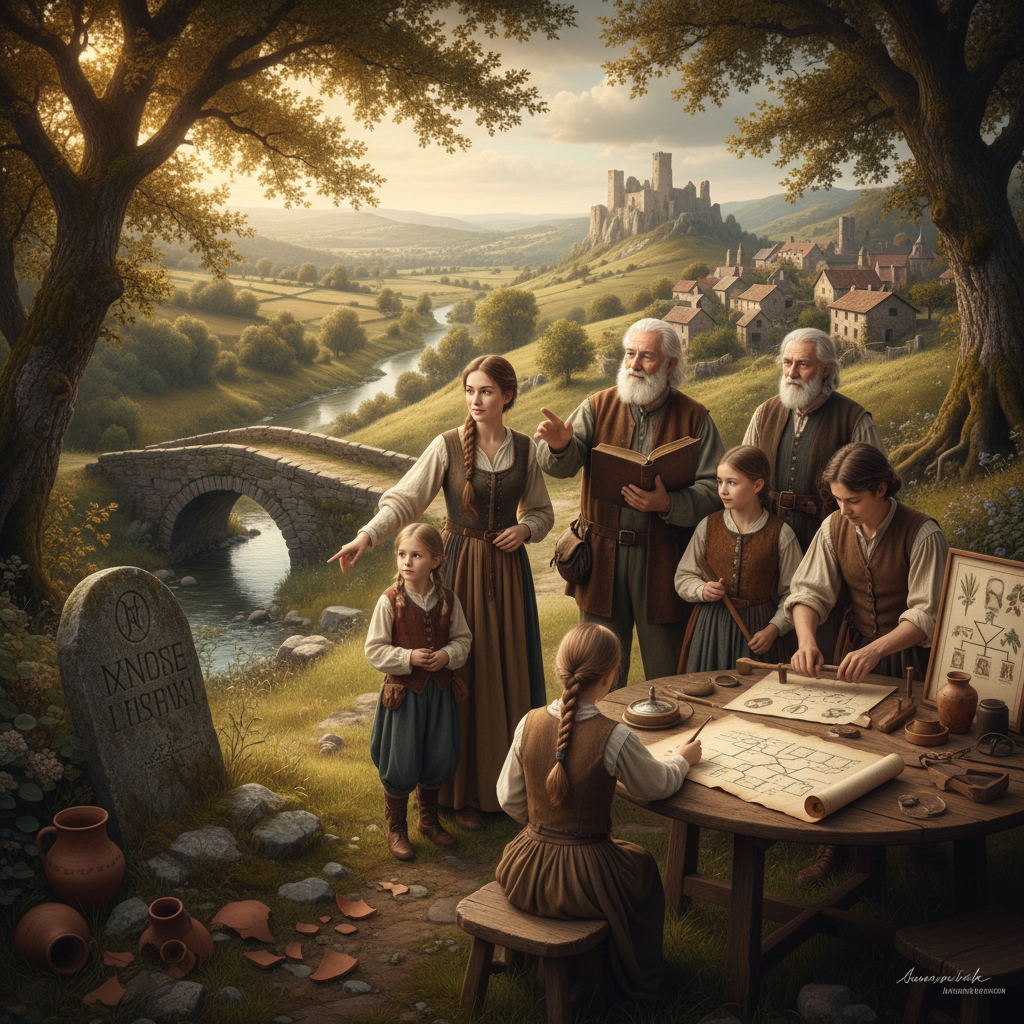
Surnames and Roots: Distinguishing Authentic Regional Etymology from Commercial Heraldic Fictions
How geographic topograms, patronymics, and occupational descriptors unveil the genuine medieval origins of family names.
Share the story
Family discussion cards
Take one card at a time. There are no right answers—only memories worth hearing.
What memory did this article bring to mind?
Who in the family might have a story or photograph to add?
What is one small thing we could save, share, or do next?
A quiet conversation can be a meaningful family keepsake.
Subscribe to MemContinuity Publications
Receive thoughtful reflections, local heritage guides, and slow travel stories delivered directly to your inbox. No spam, privacy respected.