Men's Sheds and Creative Woodworking Meetups
A practical guide to finding or shaping a welcoming community workshop, choosing approachable woodworking projects, and making safety, access and conversation part of the work.
A compatible device voice is not available. You can still read this article on screen.
 Community & Connection
Detailed article
Use the text-size control at the top for larger text, or switch back to Easy Read at any time.
What a Men’s Shed can be
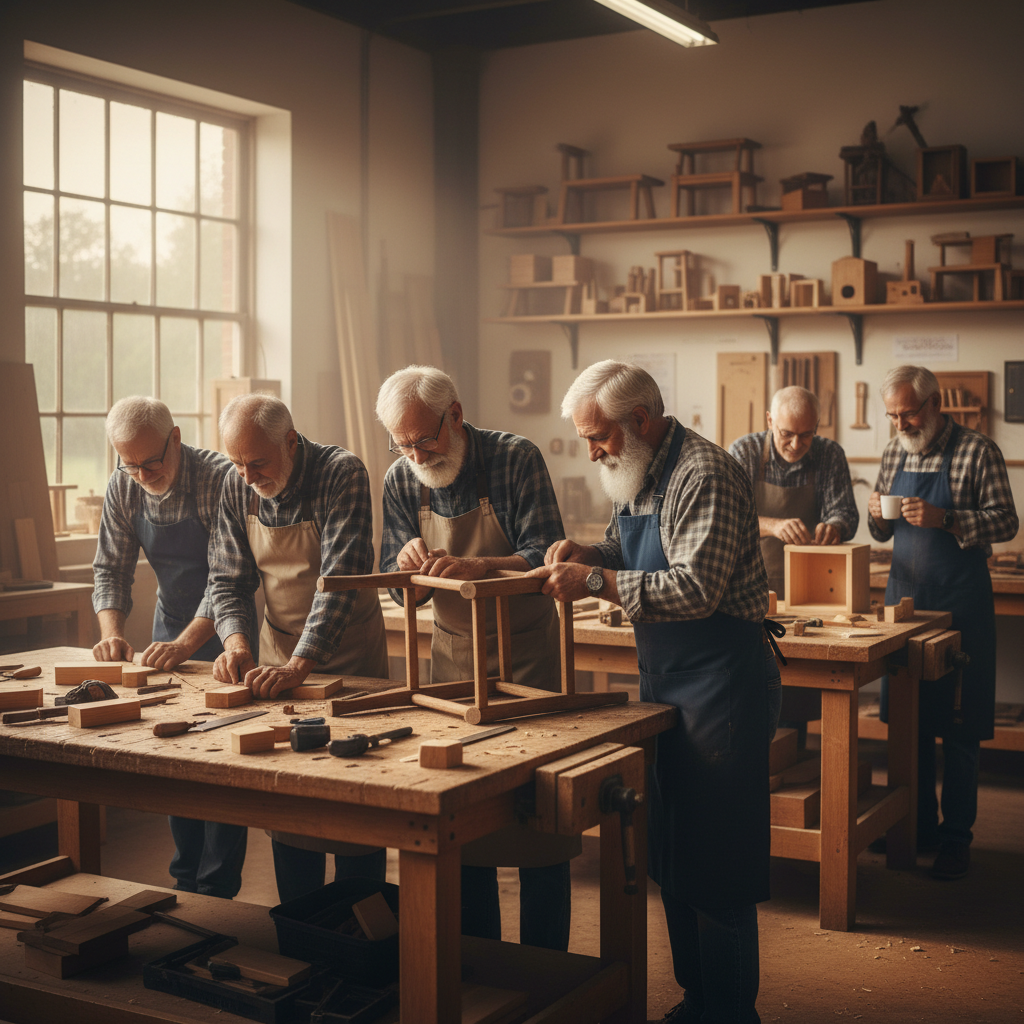
A Men’s Shed is not defined by a particular building or by woodworking alone. In the UK, the Men’s Sheds Association describes sheds as community-based, non-commercial groups that generally make their own decisions. They may meet in a community centre, church hall, industrial unit or another suitable shared space. Woodworking, repairing, metalwork, model-making, electronics and conversation can all belong, depending on the group and its members. Some sheds also welcome women. The common thread is the opportunity to connect, create and converse together. UK Men’s Sheds Association
That distinction matters. A person who is curious about a shed need not arrive as an experienced craftsperson, and a group need not have an elaborate workshop to offer companionship. Some people come to make something; others learn by watching, sort materials, share a cup of tea, or simply talk while a project takes shape. Participation can be at a comfortable pace, without a requirement to disclose personal history or to prove a skill.
Men’s sheds are intended to support wellbeing and connection, but a visit is not a treatment or a promise that loneliness or health concerns will disappear. Australia’s Department of Health describes the aim as providing a safe, friendly and inclusive setting for meaningful activity and company. The effect of any particular group will vary by person and place. Australian Department of Health
Finding a group that feels right
Start by looking for a nearby shed through a national or regional association, local community directory, council, library or neighbourhood organisation. The exact directory depends on where you live; a group’s listing may be out of date, so contact it before travelling. Ask whether visitors are welcome and whether you can come for a short introductory visit without committing to membership.
Before visiting, ask about opening times, visitor arrangements, fees, beginner activities, access to the entrance and toilet, and transport or parking. Local groups set their own arrangements; the Australian government also advises people to ask their local shed about possible fees.
When helping someone explore a shed, offer options such as calling first, visiting with a companion or observing before joining in. Let them decide whether to participate or leave early.
Start small and let the project fit the people
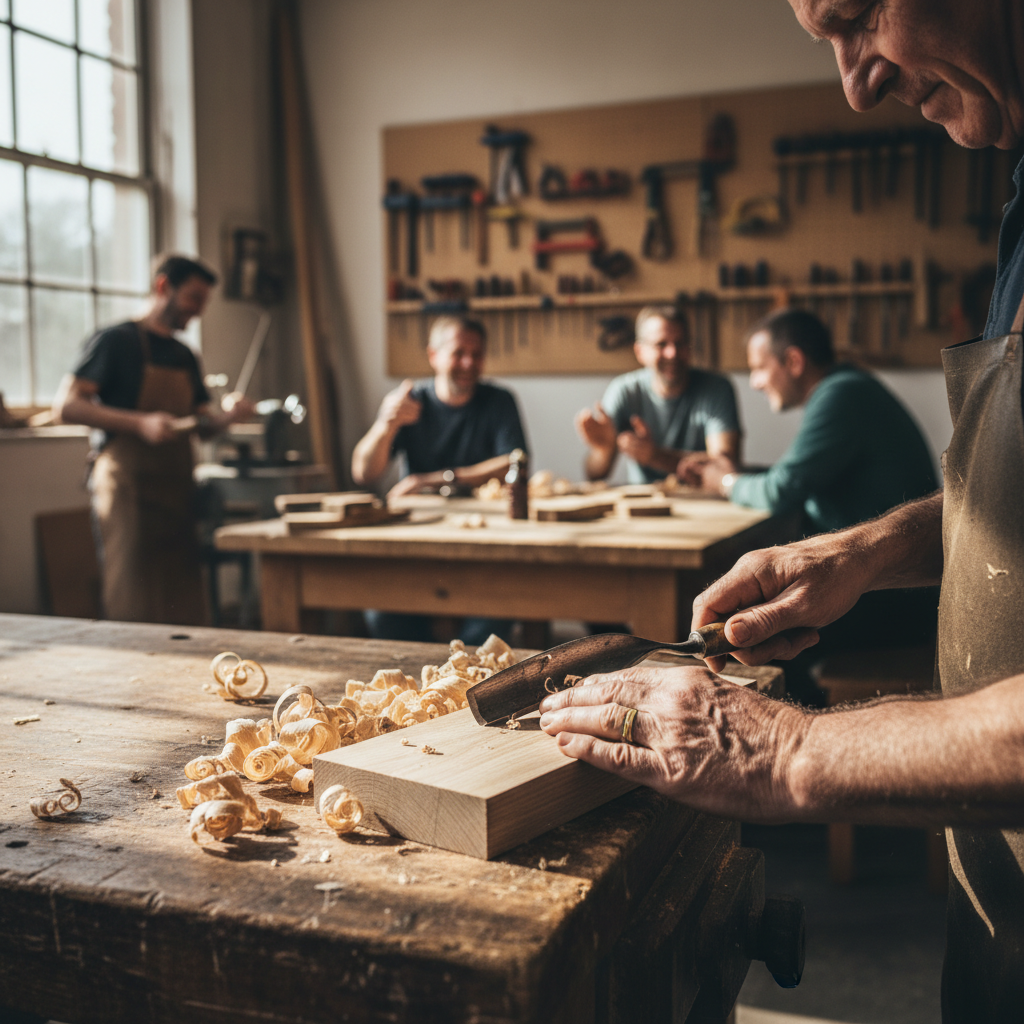
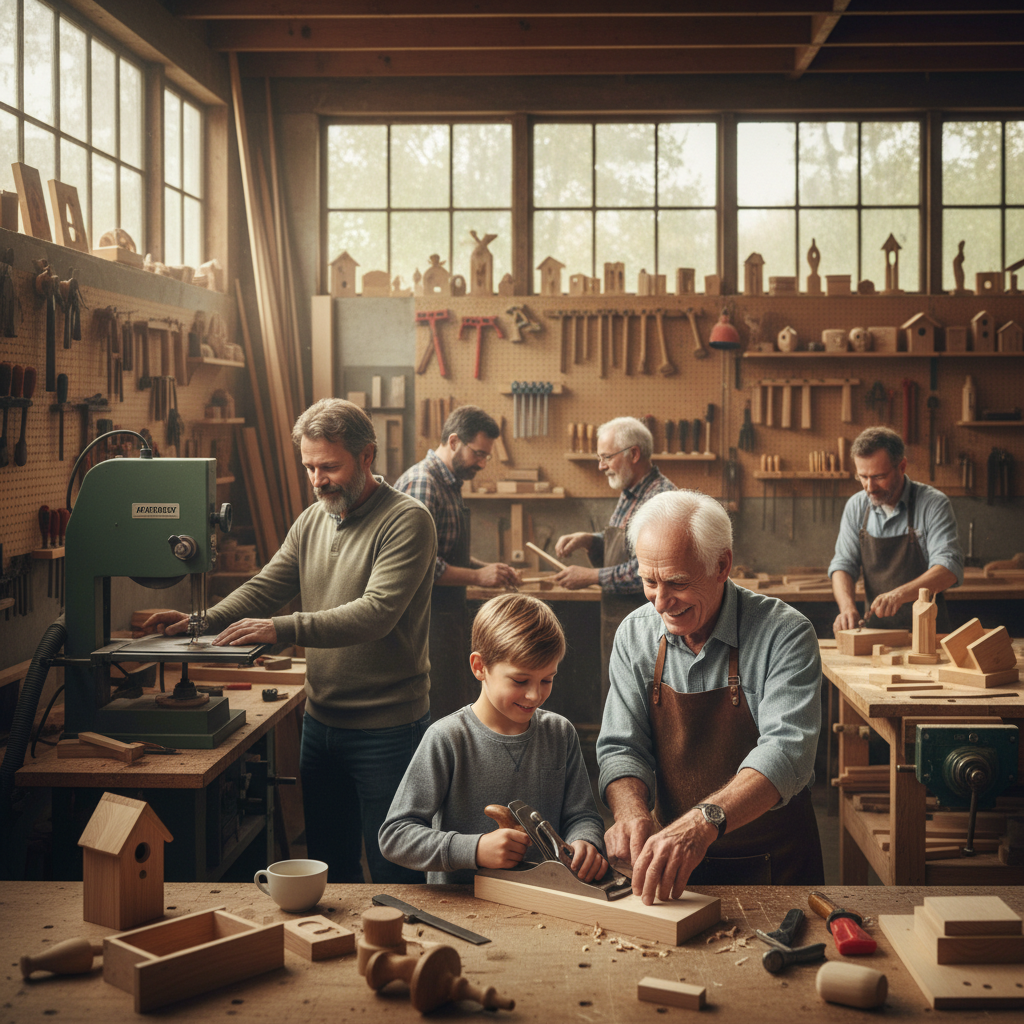
A first project might be hand-sanding an offcut, assembling a simple kit under supervision, sorting timber or helping plan a small repair. A bird box or planter should suit available tools, space and experience. Watching a demonstration, measuring or choosing materials also counts as participation; a finished object is not required.
Agree on one manageable goal, who will explain it and which tools are appropriate. Break an unfamiliar job into stages, from measuring and marking to cleanup. Participants can pause, switch roles or stop if tired or unsure. A short visit may suit one person; another may prefer longer. Any suggested session length is flexible, not a rule.
Offer roles such as sketching, measuring, hand-sanding or keeping a parts list. Ask before helping or correcting. If vision, hearing, reach, grip or mobility affects a task, discuss an alternative role or adaptation with the participant and responsible volunteers.
Make safety part of the welcome
A friendly atmosphere does not replace a clear safety routine. Visitors should receive an induction before entering active work areas or using equipment. A responsible person should explain the shed’s local rules, demonstrate the tools permitted for a participant’s experience, and say whom to ask when uncertain. The Australian Men’s Shed Association identifies member induction and safety education as important parts of building a safety culture. AMSA safety induction resource
Wood dust deserves particular care. The UK Health and Safety Executive warns that inhaled wood dust can cause serious health problems, including asthma, and that hardwood dust can cause cancer. It recommends extraction at woodworking machines to capture dust at source, keeping extraction maintained, and cleaning settled dust with a suitable industrial vacuum rather than sweeping or using compressed air. These are workplace-control recommendations; a community group should consult the applicable local rules and competent safety advice for its premises and activities. Dust masks should not be treated as a substitute for effective extraction. UK HSE: Wood dust
Use a machine only if trained and authorised under the shed’s rules. Never improvise a guard or dust-control setup. Follow local instructions for protective equipment, tool checks and cleanup; keep walkways clear. Stop if a guard or extraction appears faulty, and choose another task if safe supervision or equipment is unavailable.
Keep the social side easy
Conversation often happens naturally when people share a bench or work through a practical problem. There is no need to turn the workshop into a formal support group. Ask open, ordinary questions about the project, invite people to share a tip if they wish, and allow quiet stretches too. Stories may surface while someone repairs a chair or recognises a familiar tool, but no one owes the group a memory, explanation or personal disclosure. Ask permission before recording a story or taking and sharing photographs.
Refreshments can help a gathering feel hospitable, but they are optional. Check what the venue permits and whether anyone has access needs before planning food or drink. Similarly, a comfortable seating area, clear signs and good lighting may help people settle in; ask actual visitors what would make a difference rather than assuming everyone needs the same arrangement.
If you are helping start a shed
Begin with listening. Ask local residents and potential participants what they would actually use: a repair bench, hand-tool introduction, quiet social session, shared project or another activity. Find a small organising group and identify a suitable venue before collecting equipment. Agree who is responsible for access, safeguarding where relevant, insurance, risk assessment, tool induction, maintenance, dust control and opening arrangements. Requirements vary by jurisdiction and premises, so seek advice from the relevant association, venue owner, insurer or local authority rather than relying on a generic checklist.
A trial session can reveal access or noise problems, storage needs and which activities interest people. Revise the plan accordingly. The aim is a respectful place where people can contribute at their own pace.
A simple first-visit note
Before going, note the contact, time, address, transport plan and questions about access or fees. Consider whether a companion, short visit or chance to observe would help. Afterward, reflect on the welcome, clarity of safety instructions and whether making, watching or conversation suited you. That can help decide whether to return or try another group.
The most satisfying woodworking meetups leave space for both careful making and unhurried company. A small repair, a shared idea or an afternoon spent listening can be enough. Start with a visit, ask what you need to know, and let the people and the pace of the group help shape what comes next.
Reading path
Continue this topic
Browse the reading paths for another gentle place to continue.
“Thank you for sharing this quiet moment of reading with us.”
Every piece in the MemContinuity library is preserved to spark gentle conversations, honor generational memory, and support the health and comfort of our families.
MemContinuity editorial team
MC-COMMUNITY-20260831-031 · Publication archive reference
Cross-device reading sync
Sign in to your MemContinuity account to optionally sync your article reading progress across your phone, tablet, and computer.
Themes & topics
Editorial guidance & care
Our publications are designed to be practical, gentle, and respectful. For specific medical, mobility, or travel arrangements, we recommend consulting local providers or relevant municipal services.
Related publications
 Community & Connection
Repair Cafés: Fixing Cherished Objects Together
Skilled volunteer handypeople helping neighbors solder vintage radios, mend coats, and reject disposable consumerism over hot coffee.
 Community & Connection
A Table, a Game, a New Conversation
Why board-game afternoons and quiet community spaces are quietly reshaping companionship for older adults across local neighbourhoods.
 Community & Connection
Thriving Together: Finding Connection Through Later-Life Clubs
Why welcoming community associations, lunch clubs, and interest circles offer a lifeline of joy, purpose, and lifelong friendship.
Share the story
Family discussion cards
Take one card at a time. There are no right answers—only memories worth hearing.
What memory did this article bring to mind?
Who in the family might have a story or photograph to add?
What is one small thing we could save, share, or do next?
A quiet conversation can be a meaningful family keepsake.
Subscribe to MemContinuity Publications
Receive thoughtful reflections, local heritage guides, and slow travel stories delivered directly to your inbox. No spam, privacy respected.