Choosing a Care Home: A Compassionate Guide for Families
A practical, person-led guide to comparing care homes: assess needs and preferences, visit at different times, ask about staffing and daily life, understand costs and contracts, and plan a respectful transition.
A compatible device voice is not available. You can still read this article on screen.
 Family Heritage
Detailed article
Use the text-size control at the top for larger text, or switch back to Easy Read at any time.
When love means welcoming support
Considering a care home can bring relief, grief, uncertainty, or several feelings at once. It is not a verdict on a family's love. The aim is to find support that fits the older person's needs and wishes, while preserving their dignity, relationships, and choices. Whenever possible, include the person in conversations and visits. Ask what matters most to them, and do not treat a family member's preference as a substitute for theirs.
In England, the NHS describes residential homes as providing accommodation and personal care, while nursing homes also have qualified nursing staff on duty. In France, an EHPAD is a medically supported residential setting. These labels are not interchangeable across Europe, so confirm what a specific home actually provides. [1] [2]
Start with the person's needs and preferences
Before viewing homes, write down the support needed now and what may change. Include help with washing, dressing, meals, medicines, mobility, overnight needs, and health appointments. Ask the person's clinician or social-care worker about specialist care that may be required. Consider location in practical terms. A home near relatives may make visits easier; one near the person's existing neighbourhood may preserve familiar shops, friends, and routines. France's national information portal recommends visiting several homes, and returning at different times such as mealtimes, to understand the surroundings and daily routine. [2]
Visit, observe, and ask specific questions
Arrange visits to a shortlist and, if possible, return on another day or shift. Notice whether residents appear comfortable and cared for, whether staff speak respectfully, and whether staff respond when someone asks for help. Observe cleanliness, lighting, noise, room access, and shared spaces.
Staffing and continuity
The original question about weekend staffing is worth keeping, but there is no single staff-to-resident number in this guide that guarantees good care. Ask how staffing is arranged by day, evening, night, and weekend; what happens when someone is ill or absent; what training staff receive for needs relevant to your relative; and how the home maintains continuity.
Meals, rooms, and everyday life
Rather than assuming meals should be cooked on site from local produce, ask how menus are planned, what choices residents have, and whether dietary, cultural, allergy, or texture needs can be accommodated. If possible, visit during a meal and ask whether the resident can eat in a preferred setting or receive help at their own pace. The useful measure is whether the arrangements suit this person and are explained clearly—not whether a particular kitchen model is used.
Ask whether residents can bring familiar, safe personal belongings such as photographs, a favourite chair, or a bedspread, and whether there are room-size, fire-safety, or furniture restrictions.
Compare care quality and practical fit
Ask how the home learns about a resident's preferences, records them in a care plan, and reviews the plan when needs change. In France, the HAS national evaluation framework includes residents' rights, expression and participation, personalised support, social connection, and adaptation of support to autonomy and health. That offers useful topics for discussion, but it is not a promise that any one visit or score predicts an individual's experience. [3]
Check the relevant regulator or official inspection information for the country and region. Read the full report, including its date and any improvement actions, rather than relying only on a headline rating. Ask the home what has changed since the report and how residents or families can raise concerns. Also ask how medical care is coordinated, how emergencies are handled, and what happens if the resident's needs become greater than the home can support.
Understand costs before signing
Request a written breakdown of the regular fee, what is included, possible extras, how charges change during hospital stays or absences, and any deposit or notice terms. Compare like with like: room type, care level, services, and likely additional costs. Ask who can explain public support, eligibility, and financial assessment in the relevant jurisdiction; do not assume that another country's funding rules apply.
In France, the official portal lists EHPAD accommodation and dependency charges and notes that included and optional services should be distinguished. Service-Public describes the stay contract as setting out conditions, objectives, and financial participation. Check current official information and read the actual contract carefully before signing; request plain-language explanations of unclear terms. [2] [4] In England, local-authority assessment and funding rules differ, so consult the council or a qualified adviser before making financial decisions. [1]
Make a decision, then review it together
A simple comparison sheet can keep the decision manageable. For each home, note: the person's essential needs it can meet; the preferences it can support; what you observed on each visit; unanswered questions; total likely cost and what may change it; travel and visiting practicality; and what the inspection information says. Mark uncertain answers for follow-up. If there is a suitable temporary stay, ask whether it is available and what it would involve. Avoid rushing a signature simply because a tour felt reassuring.
Before a move, agree what to bring, which routines matter most, who should be contacted, and how the person would like visits to work. A few familiar objects can help make a room feel recognisable, subject to the home's safety rules. Ask staff how family can share useful information without taking over the resident's voice. After the move, check in privately and calmly: Is the person comfortable? Are requests being heard? Are agreed routines and care needs being followed? Record specific concerns and raise them with the named staff contact or manager. If an issue remains unresolved, ask the local regulator, social-care authority, advocacy service, or ombudsman about the right route in that jurisdiction.
A compassionate choice is an informed choice
There may be no perfect home, and the first choice need not end the family's involvement. A careful decision balances safety and support with the person's identity, relationships, and ordinary pleasures. Keep the conversation open, make room for the older person's consent and changing views, and revisit the arrangement when circumstances change. Care is not made meaningful by a brochure or a promise; it is built in the daily interactions that allow someone to be treated as a person with preferences, history, and a continuing place in family life.
With warm regards,
The MemContinuity Editorial Board & Heritage Archivists
Editorial Series: Certified & Preserved for Family Archives
Sources and Further Reading
- How To Choose a Nursing Home or Other Long-Term Care Facility — National Institute on Aging
- Choisir une maison de retraite ou une résidence pour personnes âgées — Pour les personnes âgées (French national information portal)
- Référentiel d’évaluation de la qualité des établissements et services sociaux et médico-sociaux — Haute Autorité de Santé
- Éhpad : établissement d'hébergement pour personnes âgées dépendantes — Service-Public.fr
- Care homes — NHS


Reading path
Continue this topic
Browse the reading paths for another gentle place to continue.
“Thank you for sharing this quiet moment of reading with us.”
Every piece in the MemContinuity library is preserved to spark gentle conversations, honor generational memory, and support the health and comfort of our families.
MemContinuity editorial team
MC-HERITAGE-20260624-062 · Publication archive reference
Cross-device reading sync
Sign in to your MemContinuity account to optionally sync your article reading progress across your phone, tablet, and computer.
Themes & topics
Editorial guidance & care
Our publications are designed to be practical, gentle, and respectful. For specific medical, mobility, or travel arrangements, we recommend consulting local providers or relevant municipal services.
Related publications
 Family Heritage
Caring for a Parent with Dementia: A Practical and Gentle Guide
Caregiving strategies for dealing with cognitive decline, preserving dignity, establishing calm daily routines, and supporting caregiver emotional wellbeing across Europe.
 Family Heritage
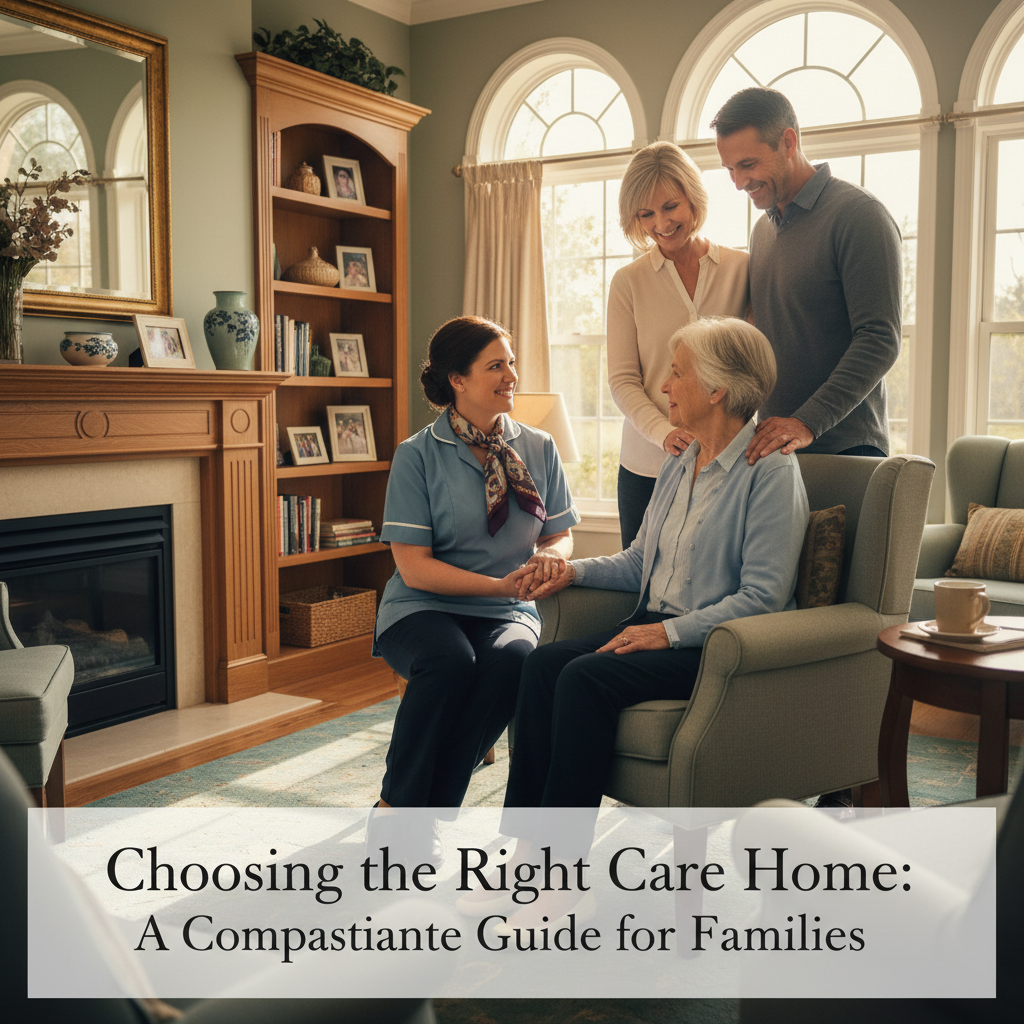
Choosing the Right Care Home: A Compassionate Guide for Families
A structured, empathetic overview of facility considerations, staff warmth, individual dignity, and emotional transitions when evaluating residential senior care.
 Family Heritage
Preserve Old Family Photos: Safe Storage, Scanning and Backups
Protect old family photographs at home with safer handling, photo-safe storage, non-destructive scanning, clear metadata, and reliable backups—without risky cleaning or DIY restoration.
Share the story
Family discussion cards
Take one card at a time. There are no right answers—only memories worth hearing.
What memory did this article bring to mind?
Who in the family might have a story or photograph to add?
What is one small thing we could save, share, or do next?
A quiet conversation can be a meaningful family keepsake.
Subscribe to MemContinuity Publications
Receive thoughtful reflections, local heritage guides, and slow travel stories delivered directly to your inbox. No spam, privacy respected.