Neighbourhood Walking Groups: Steps and Stories
A practical guide to joining or organizing an unhurried neighbourhood walk, choosing welcoming routes, and sharing local memories at every pace.
A compatible device voice is not available. You can still read this article on screen.
 Community & Connection
Detailed article
Use the text-size control at the top for larger text, or switch back to Easy Read at any time.
A neighbourhood walk, shaped around people
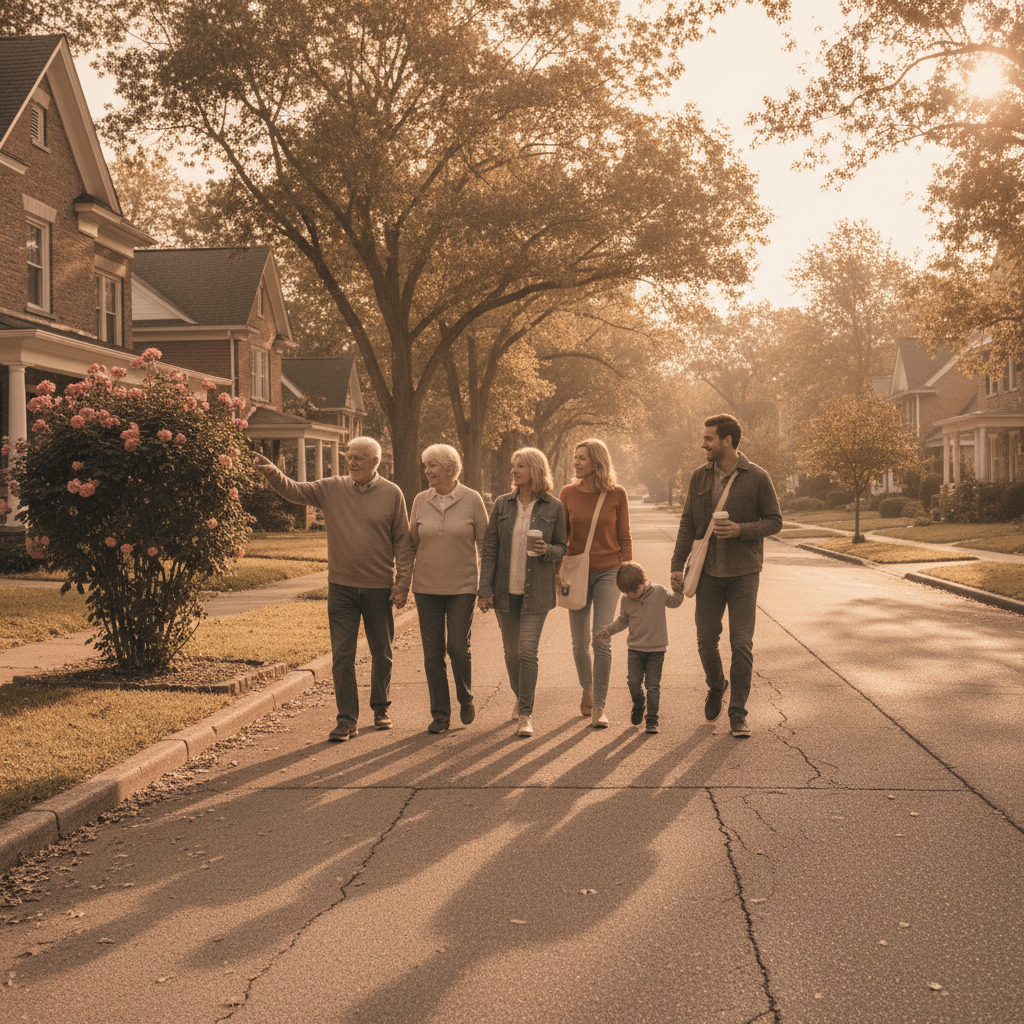
A neighbourhood walking group can be two neighbours meeting at a familiar corner. Some follow a regular loop; others choose a new street, park path, or local point of interest. The starting point is a plan that lets everyone know what to expect and decide comfortably whether to take part.
For older adults, retirees, and families whose routines have changed, a recurring walk creates an occasion to meet and talk. Conversation may turn to a familiar shopfront or a memory of how a street used to look. These exchanges can make a route meaningful without requiring anyone to tell a personal story or keep up with a particular pace.
Walking may also contribute to everyday physical activity. The CDC recommends that adults aged 65 and older include aerobic, muscle-strengthening, and balance activities in their week; it also advises people who cannot meet the targets to be active as their abilities and conditions allow. A group walk is only one possible activity, not a complete fitness plan or a promise of a particular health result. CDC guidance for older adults
Choose a route people can actually use
Before inviting a group, walk or wheel the proposed route yourself at a relaxed pace. Check whether the pavement or path is even enough for the intended participants, whether narrow points or parked vehicles create obstacles, and whether there are safe places to pause. Consider crossings, traffic speed, lighting, shade, shelter, and the distance between resting places. A route that looks short on a map may feel demanding if it includes steep slopes, broken paving, or a crossing with little time to spare.
Whenever possible, choose quieter streets or paths with continuous, usable pavement. Note where the group can turn back early without anyone feeling they have failed. If the route depends on steps, an unpaved surface, or a difficult crossing, find an alternative before the day rather than asking someone to manage a barrier unexpectedly. Inclusive walking guidance highlights that obstacles and poor street conditions can make even a short journey difficult for disabled people; route planning should take those realities seriously. Walking for everyone
Check practical details: a convenient meeting point, transport, places to sit, and an accessible restroom during the outing. Verify opening hours and access. Ask what would make the route workable. Some may prefer a short loop, a companion, a mobility aid, or to join midway. These are ordinary planning choices.
Agree on a simple plan before setting out
A first walk does not need elaborate organization. Share the meeting place, approximate route, expected duration, terrain, and a way to contact the organizer if someone is delayed. Be clear about whether people should register and whether a friend, carer, or support person may come. Local walking groups differ in these arrangements, so anyone joining an existing group should check its current details first. Camden Council’s examples of local walking groups show how schedules, ability levels, and booking expectations can vary from group to group.
Keep the first outing modest and make the timing adjustable. A short out-and-back walk gives the group a natural choice to stop or turn around. Agree that nobody will be hurried, left behind, or pressured to continue. If several people have different preferred paces, a second volunteer can stay with the slower walkers, or the group can choose a route where everyone can regroup at clear landmarks. Do not assume that a person who uses a cane, walker, or wheelchair wants help; ask first and follow their answer.
On the day, check the weather and the route conditions. Wear comfortable footwear and clothing suited to the conditions. In low light, bright or reflective clothing and lights can improve visibility; the CDC also advises choosing low-speed, low-traffic roads where possible. Group walking can improve safety, but being in a group does not remove hazards, so cross at appropriate places and allow time for everyone to cross safely. CDC pedestrian safety guidance
Make room for different kinds of participation
A welcoming group lets people join in ways that suit them: walk the full route, take a shorter section, sit at the meeting point, use a wheelchair or other mobility aid, or listen rather than talk. If a route or pace does not work, use that information for next time rather than questioning someone's commitment.
Before beginning, identify a convenient stopping place and tell everyone that pausing, turning back, or leaving early is acceptable. Avoid making public comparisons about distance or stamina. A person’s needs can change from day to day. If someone describes a health limitation or is unsure what activity is suitable, encourage them to seek advice from a qualified health professional who knows their circumstances; the group organizer should not try to diagnose or prescribe.
The social part should be as unforced as the walking. Offer conversation, but do not treat quietness as a problem. Some days the group may notice gardens or changing light; on others, people may simply enjoy familiar company. A reliable meeting and a considerate pace matter more than keeping conversation lively.
Let local stories emerge with permission
A familiar corner can prompt memories: where someone waited for a bus, which building once held a grocer, or what children played in a nearby square. If a participant wants to share, give the story time and listen without correcting details from memory. Local recollections are personal accounts, not automatically verified histories. A sign, archive, or local-history collection may help check a date or name later, if the group is interested.
A small notebook can capture a place name or a question to revisit. If anyone wants to record a voice note or take a photograph, ask permission first and explain where the recording or image will be kept and who may hear or see it. Obtain consent from every identifiable person who would be included, not only the person telling the story. Make declining easy, and do not record private conversation in the background. A walk can be meaningful without producing an archive.
A first-walk checklist
Before sending an invitation, confirm the meeting point, route length and surface, crossings, places to rest, toilets and transport where relevant, weather plan, and a contact method. Tell people whether the route can be shortened and what support or companions are welcome. On arrival, introduce the route and its choices; during the walk, pause together and check that the group remains comfortable. Afterwards, ask what worked and what they would change next time.
The best neighbourhood walk is not necessarily the longest or most scenic. It is one people can join without pressure, where the route and expectations are clear, and where conversation is welcome but never demanded. Repeating that simple invitation can give neighbours a shared reason to step outside and notice the place they call home.
Reading path
Continue this topic
A supportive route for families navigating care, connection, and gentler everyday routines together.
Pillar guides in this path
A gentle next step
Keep a related family story
If this topic brings a family memory to mind, you can save it at your own pace.
“Thank you for sharing this quiet moment of reading with us.”
Every piece in the MemContinuity library is preserved to spark gentle conversations, honor generational memory, and support the health and comfort of our families.
MemContinuity editorial team
MC-COMMUNITY-20260914-017 · Publication archive reference
Cross-device reading sync
Sign in to your MemContinuity account to optionally sync your article reading progress across your phone, tablet, and computer.
Themes & topics
Editorial guidance & care
Our publications are designed to be practical, gentle, and respectful. For specific medical, mobility, or travel arrangements, we recommend consulting local providers or relevant municipal services.
Continue with purpose
Part of a curated reading journey
Related publications
 Community & Connection
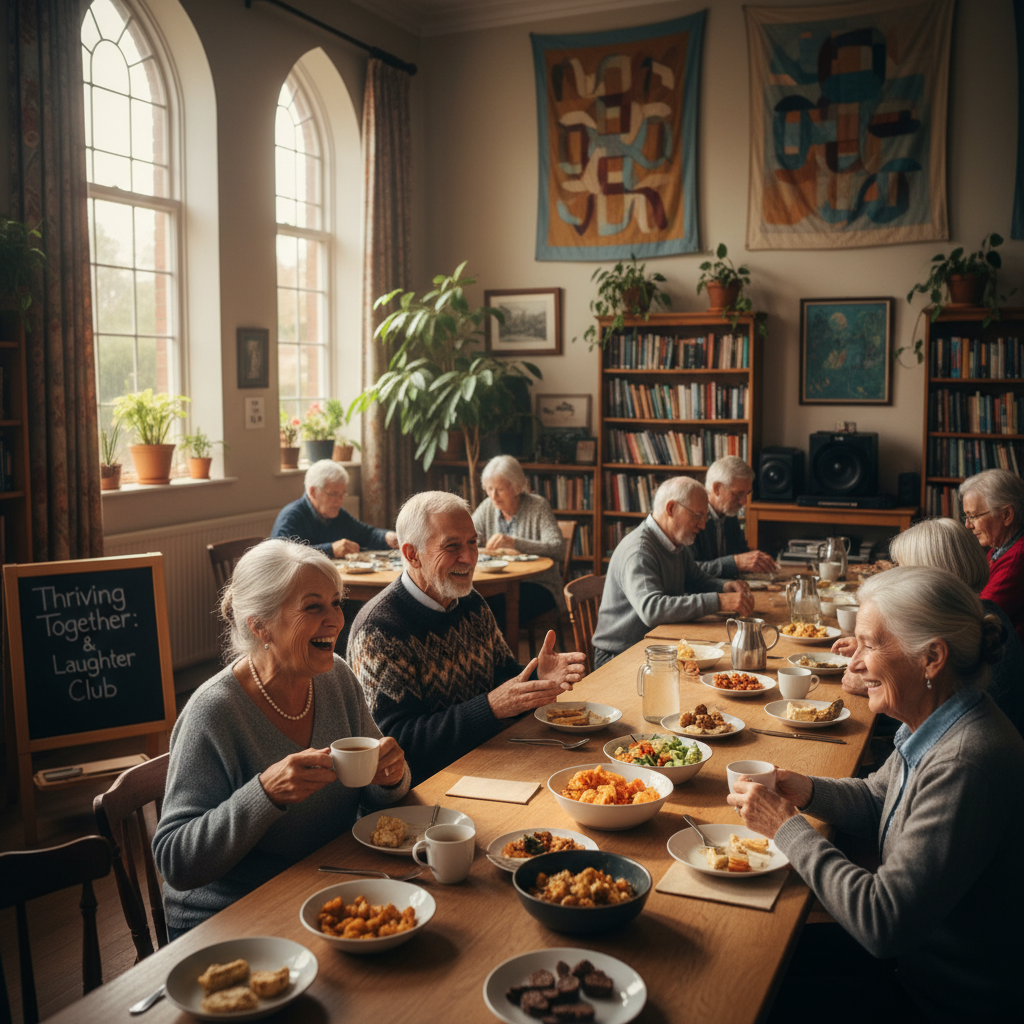
Thriving Together: Finding Connection Through Later-Life Clubs
Why welcoming community associations, lunch clubs, and interest circles offer a lifeline of joy, purpose, and lifelong friendship.
 Community & Connection
A Table, a Game, a New Conversation
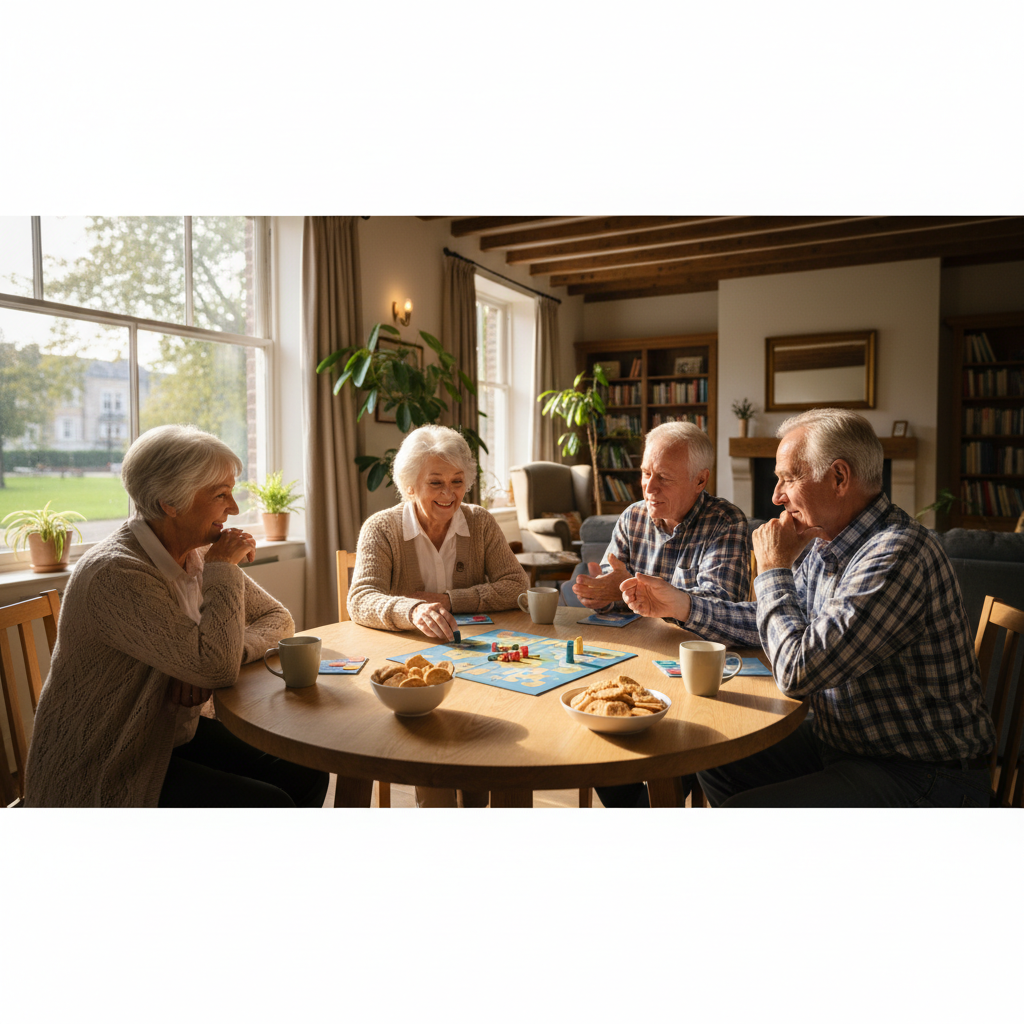
Why board-game afternoons and quiet community spaces are quietly reshaping companionship for older adults across local neighbourhoods.
 Community & Connection
Volunteer Storytelling in Local Primary Schools
Senior reading mentors sharing classic picture books and folk legends, creating mutual delight across a seventy-year span.
Share the story
Family discussion cards
Take one card at a time. There are no right answers—only memories worth hearing.
What memory did this article bring to mind?
Who in the family might have a story or photograph to add?
What is one small thing we could save, share, or do next?
A quiet conversation can be a meaningful family keepsake.
Subscribe to MemContinuity Publications
Receive thoughtful reflections, local heritage guides, and slow travel stories delivered directly to your inbox. No spam, privacy respected.