Photographing Old Family Clocktowers and Landmarks
Plan a considerate visit to family-associated town landmarks, make thoughtful photographs from accessible public viewpoints, and preserve the stories and context behind each image.
A compatible device voice is not available. You can still read this article on screen.
 Family Heritage
Detailed article
Use the text-size control at the top for larger text, or switch back to Easy Read at any time.
A photograph that holds a place and a story
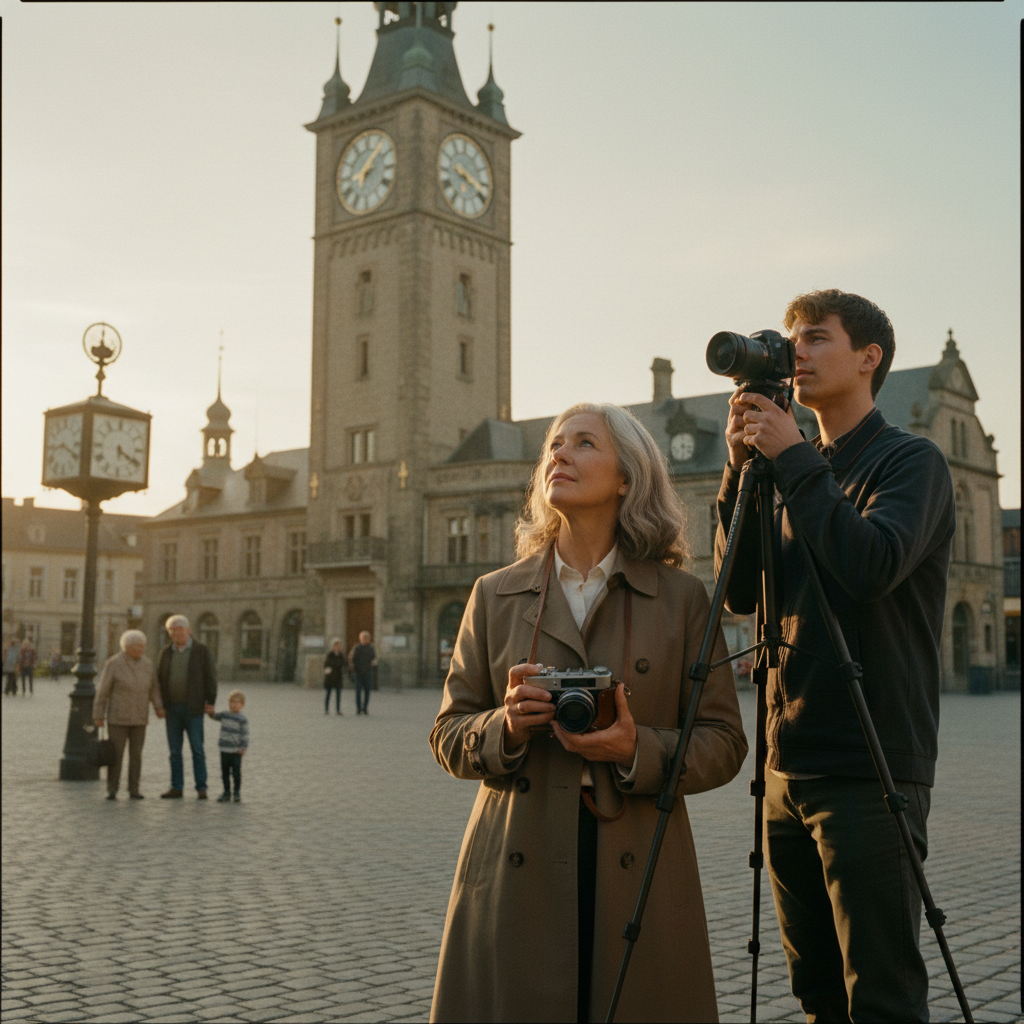
Returning with a camera to a town square, an old railway station, or the clock tower someone in your family passed on the way to work can make a modest outing feel meaningful. The photograph need not prove that a relative was there or recreate an exact view from the past. It can simply record what the place looks like now and open a conversation about what family members remember.
This guide is about planning a considerate visit, choosing a few clear pictures, and keeping their context. Begin with a landmark connected to a known family memory, if you have one. If the connection is uncertain, describe it as a possibility rather than turning family recollection into established local history. A clock face, entrance, station platform seen from an allowed area, or wider view of the surrounding square may each tell a different part of the story.
Before setting out
Write down the place name and the reason it matters. Add any remembered details as questions: Was this the route to work? Which entrance did the family use? Is the building the same one, or has it been altered? You do not need to settle every question before taking a picture. Keeping the distinction between what someone remembers and what you have verified makes the eventual caption more trustworthy.
Check the current information from the site owner or manager. A landmark that looks open from the street may stand on private grounds, inside a museum, on railway property, or within a managed heritage site. Opening times, public access, construction work, event closures, and photography rules can change. Some places welcome casual visitor photographs but require arrangements for organised, commercial, or equipment-heavy shoots. For example, the National Park Service describes circumstances at Friendship Hill National Historic Site where a permit may be required, while the George Eastman Museum distinguishes casual visitor photography from reserved special-event and paid photography. These are examples of site-specific policies, not universal rules. If you are unsure, contact the site before travelling.
Think through the route as well as the destination. Look for current access details, the distance from parking or public transport, toilets, seating, surfaces, gradients, and any steps or restricted areas. Historic places vary; do not assume a route is step-free or that every part of a site is open. Historic England’s access guidance emphasizes understanding the needs of visitors alongside the character and vulnerabilities of historic places. Ask the site about practical arrangements that matter to your group, and agree on a shorter alternative or a visit from a nearby public viewpoint if needed.
Choose a comfortable time and a simple plan. A visit might consist of one exterior view, a detail of the clock or stonework, and a few minutes to pause. There is no ideal duration that suits everyone. Let participants set the pace, take breaks, and decide whether they want to be photographed. Bring only what you can carry comfortably; a phone or small camera is often enough. Avoid placing equipment where it blocks paths, entrances, or other visitors.
Make a small set of intentional photographs
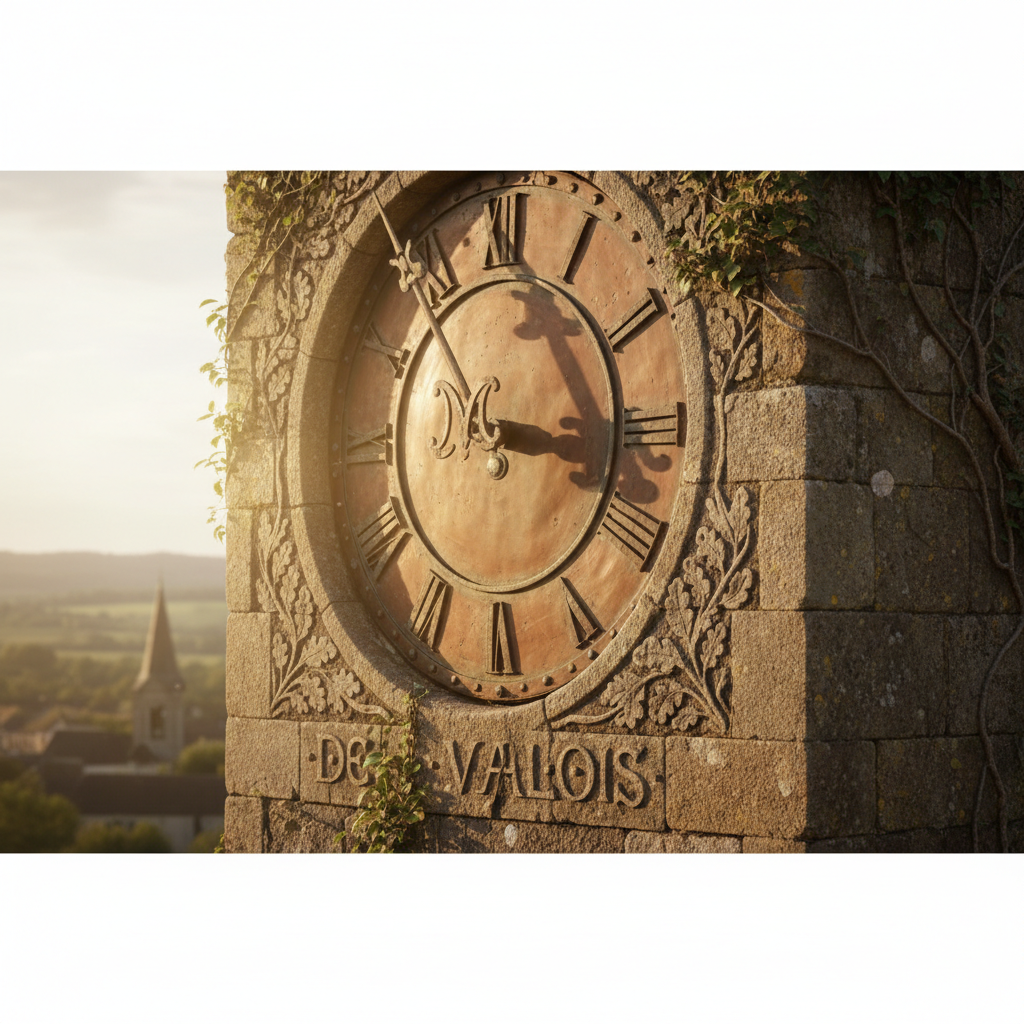
Start with a wide view that establishes where you are. Include enough of the square, street, or landscape to orient someone who was not there. Then make a closer picture of one detail: the clock face, a doorway, a name on a sign, or a material pattern visible from a permitted public area. A third photograph might show the landmark in relation to a familiar street or route. These different distances make a more useful set than many nearly identical frames.
Before pressing the shutter, look around the edges of the frame. Check for distracting objects, parked vehicles, temporary barriers, or people who may not wish to appear. Wait briefly if a passer-by is about to cross, or change your angle. If another visitor is clearly identifiable, be considerate about taking or sharing the image; ask permission when appropriate, especially for a close portrait. Avoid photographing through private windows or into restricted spaces.
Respect the place while composing. Stay on paths and in areas open to visitors; do not climb, lean on fragile features, move objects, or enter a closed area for a better angle. Follow signs and staff instructions, and never obstruct a working station, roadway, doorway, or emergency route. The National Park Service’s visitor guidance, for instance, explicitly asks photographers not to hinder other visitors or operations and to remove equipment and refuse. The details differ by site, but the underlying practice is simple: the photograph is not more important than the place or the people sharing it.
Invite family stories without testing anyone
A photograph can prompt conversation, but memory should not become an examination. Try open, low-pressure questions: “What do you notice here?” “Does this view bring anything to mind?” or “Would you like to tell me more about this building?” A person may remember a different detail, feel unsure, or prefer not to talk. Accept “I don’t know” and silence without correction or pressure. Make space for differing accounts rather than insisting there is one family version.
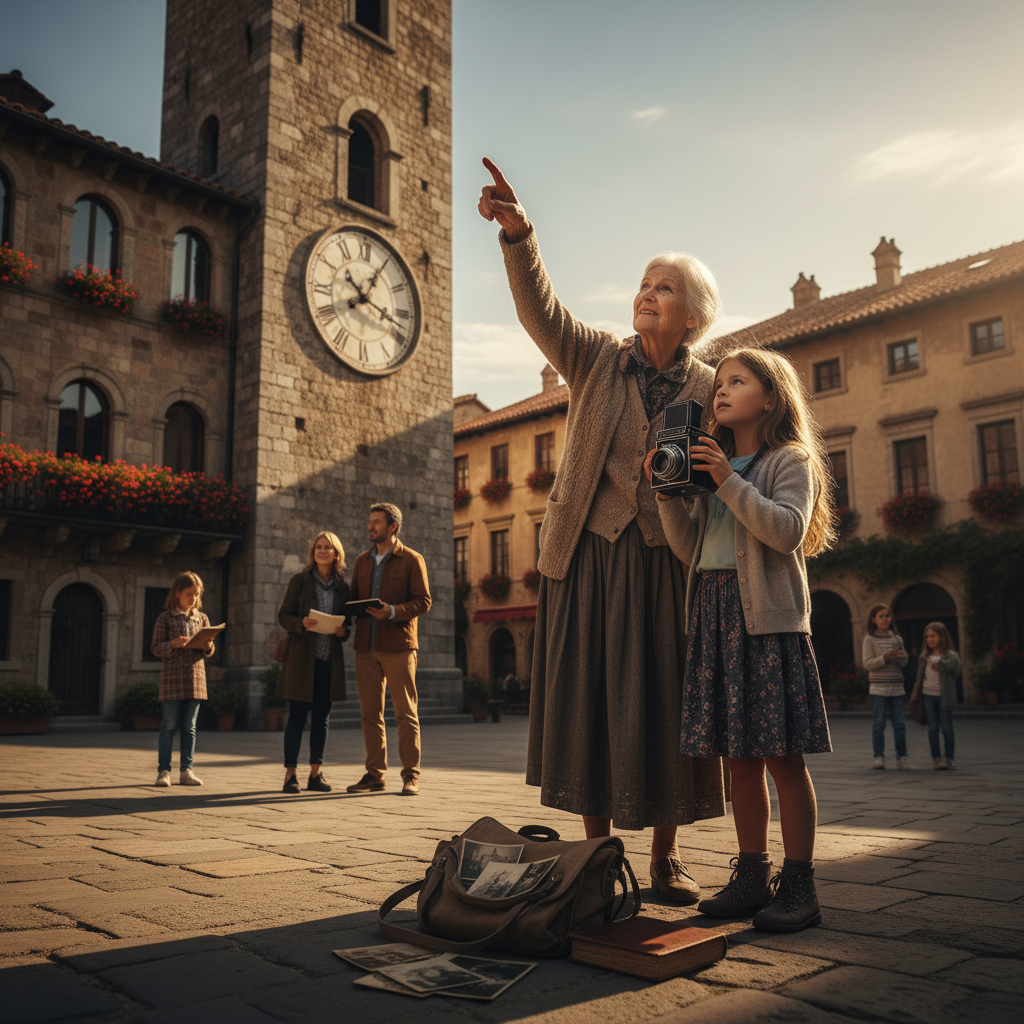
If someone shares a story, ask before recording their voice or attaching their name to a public post. Explain where a recording or photograph will be kept and who may see it. A notebook can capture a short note without recording anyone. Separate the observation from the recollection: “The clock has a square face” is something visible in the image; “Grandmother passed it on her walk to work” is a family account, which can be credited to the person who shared it if they agree.
Keep the image and its context together
After the outing, choose a few photographs and give each a useful filename or caption. Record the place, approximate date, direction or viewpoint when known, and the names of people who consent to being identified. Add a brief note explaining the family connection, while marking anything uncertain as unconfirmed. This small record will help relatives understand why the picture mattered years later.
If you share the photographs publicly, consider privacy and rights as well as the landmark itself. Ask permission before posting identifiable family members, particularly children. Rules about photography, property, and later reuse differ by country and venue. In the United States, the Copyright Office explains that original photographs can receive copyright protection; that does not settle every question about photographing a particular property or reusing someone else’s image. Check local law and the site’s terms when a picture will be used beyond a personal family album.
A thoughtful visit does not require perfect weather, specialist equipment, or a complete family history. One respectful view, a caption that distinguishes memory from fact, and a conversation held by choice can be enough. The place may have changed, and the family recollections may be incomplete; recording both carefully is part of the photograph’s value.
Sources and Further Reading
Reading path
Continue this topic
Practical, unhurried steps for looking after photographs, letters, and treasured objects without feeling overwhelmed.
Pillar guides in this path
A gentle next step
Keep a related family story
If this topic brings a family memory to mind, you can save it at your own pace.
“Thank you for sharing this quiet moment of reading with us.”
Every piece in the MemContinuity library is preserved to spark gentle conversations, honor generational memory, and support the health and comfort of our families.
MemContinuity editorial team
MC-HERITAGE-20260815-047 · Publication archive reference
Cross-device reading sync
Sign in to your MemContinuity account to optionally sync your article reading progress across your phone, tablet, and computer.
Themes & topics
Editorial guidance & care
Our publications are designed to be practical, gentle, and respectful. For specific medical, mobility, or travel arrangements, we recommend consulting local providers or relevant municipal services.
Related publications
 Family Heritage
Preserving Oral Dialects and Ancestral Proverbs
Documenting regional expressions, vernacular sayings, and family idioms that carry centuries of wisdom before they fade.
 Family Heritage
QR Codes on Headstones: Permissions, Privacy and Lasting Care
A practical guide to adding a QR memorial code without assuming permission, permanence, or privacy: confirm the cemetery’s rules, separate the code from the hosted archive, and make a family handover plan.
 Family Heritage
Preserve Old Family Photos: Safe Storage, Scanning and Backups
Protect old family photographs at home with safer handling, photo-safe storage, non-destructive scanning, clear metadata, and reliable backups—without risky cleaning or DIY restoration.
Share the story
Family discussion cards
Take one card at a time. There are no right answers—only memories worth hearing.
What memory did this article bring to mind?
Who in the family might have a story or photograph to add?
What is one small thing we could save, share, or do next?
A quiet conversation can be a meaningful family keepsake.
Subscribe to MemContinuity Publications
Receive thoughtful reflections, local heritage guides, and slow travel stories delivered directly to your inbox. No spam, privacy respected.