The Intergenerational Café: Pairing Teenagers and Seniors for Story Exchanges
A practical, consent-first guide to creating welcoming story exchanges where teenagers and older adults can listen, share skills, and learn from one another.
A compatible device voice is not available. You can still read this article on screen.
 Community & Connection
Detailed article
Use the text-size control at the top for larger text, or switch back to Easy Read at any time.
A story café is a gathering where teenagers and older adults meet around a theme, a cup of tea, or a shared activity. It need not be a formal oral-history project. The aim is not to prove that one generation has all the wisdom or the other all the technical skill. It is to create an ordinary, respectful setting in which people can discover what they have in common and where their experiences differ.
Generations United describes intergenerational settings as places where age groups take part in planned activities as well as informal encounters. A café can use both: a clear, welcoming structure for the gathering, followed by unhurried conversation. Its overview of intergenerational programs is a useful reminder that meaningful contact is planned, not left entirely to chance.
Shape a gathering that feels mutual
Start with a purpose small enough to explain in a sentence: “We are meeting to trade stories about first jobs,” or “We are sharing memories of music and how people find it today.” A single theme gives the conversation a path without requiring anyone to deliver a life story. Choose a topic broad enough to include varied lives. Not everyone had a paid first job, for example, so “work, useful skills, and things we learned by doing” may open more doors.
Invite participants as contributors, not as representatives of an entire age group. A teenager need not explain what all young people think; an older adult need not speak for a generation or provide a lesson. Ask what each person would enjoy sharing, and allow people to attend with a friend, support person, or family member if that helps them feel at ease. Participation can include listening, drawing, writing a question, or helping welcome guests.
A host can make the exchange feel balanced by offering two-way prompts. After an older participant describes how they kept in touch with a friend, a teenager might ask what mattered most about that friendship; the older person could then ask how young people stay connected now. Questions should invite curiosity rather than test anyone’s memory. Useful prompts include: “What did you enjoy doing after school or work?” “What object, sound, or place brings this subject to mind?” and “What has changed, and what still feels familiar?” A person may answer briefly, choose another prompt, or pass.
A simple session rhythm
Keep the plan visible and flexible. Welcome everyone by name if they wish, explain the theme, and make clear that no one has to speak. Begin with a light prompt that can be answered in a sentence. Pair people or form a small circle, depending on comfort and group size; then invite each pair to exchange questions rather than taking turns in a one-sided interview. Leave a few minutes near the end for anyone to share a thought, a question they are taking away, or nothing at all. Close by explaining whether there will be another meeting and how people can stay in touch if they want.
Tea and refreshments can make a room feel hospitable, but they are optional rather than the point of the gathering. Ask about access needs and food preferences in advance, label any shared refreshments clearly, and provide a non-food way to take part. A library room, community centre, school, or other familiar accessible space may work; choose a setting with seating, a clear route through the room, and a quieter place to pause. Check practical details with the venue rather than assuming every participant can manage stairs, background noise, or a long session.
Make room for different ways of taking part
Small adjustments can turn a good idea into a usable invitation. Share the date, location, approximate length, and topic beforehand. Use large, readable prompt cards, speak clearly, and avoid asking people to hear across a noisy room. Arrange chairs so faces are easy to see, with a clear route to the entrance and facilities. Offer breaks and let participants change seats or leave early without needing to explain. For a person who prefers not to speak in a group, a written note, paired conversation, or quiet listening can be a full form of participation.
Technology can be one part of the exchange, not a performance. A teenager might show a willing partner how to enlarge text on a phone, save a photograph, or make a video call; the older person might share a practical skill, a local expression, or how a particular tool was used in their work. Ask first whether anyone wants help, let the learner set the pace, and avoid handling another person’s device or account without permission. There is no need to frame either participant as helpless or as the designated expert. Curiosity and reciprocal help are enough.
Keep stories in the room unless people choose otherwise
Conversation and oral history are not the same thing. A friendly discussion does not require recording, a transcript, or public sharing. If the group wants to preserve a story, discuss that as a separate choice before recording begins. Explain who will hold the file, who might hear or read it, whether it could appear online, and whether the narrator can review it or limit access. Get clear permission from everyone whose voice or image would be captured, including permission appropriate to the participant’s age and the project. For teenagers, follow the school or host organization’s safeguarding and permission procedures. If someone is unsure, keep the device away and enjoy an unrecorded conversation instead.
The Oral History Association advises interviewers to explain a project’s goals and potential uses, obtain informed consent, respect a narrator’s right not to answer, and avoid promises they cannot guarantee. It also recommends offering review before public release when possible. Its Statement on Ethics and Best Practices are valuable references when a gathering moves from informal exchange into planned recording. For a family keepsake, agree on who may access a recording and where it will be stored. For public or archival use, arrange permissions and preservation plans before collecting material; do not assume that a phone recording is automatically safe or suitable for long-term access.
When the conversation takes an unexpected turn
A memory may touch on grief, conflict, discrimination, or other painful experiences. The host does not need to investigate or resolve what is shared. Acknowledge the person, offer a pause or a change of subject, and do not invite the group to press for details. Make it easy to step out. Set a simple group agreement at the start: listen without ridicule, do not repeat personal stories outside the room without permission, and respect a person’s choice to pass. A host should explain that confidentiality cannot be guaranteed absolutely in a group, so participants should share only what they are comfortable having others hear.
The best story café is not a test of memory or a promise to solve social isolation. It is a hospitable occasion designed with care, where teenagers and older adults can meet as individuals, offer what they choose, and leave with their dignity intact. Sometimes the most lasting exchange is not a dramatic revelation but the discovery that someone from another generation is interested in the same song, question, place, or everyday skill.


Reading path
Continue this topic
A supportive route for families navigating care, connection, and gentler everyday routines together.
Pillar guides in this path
A gentle next step
Keep a related family story
If this topic brings a family memory to mind, you can save it at your own pace.
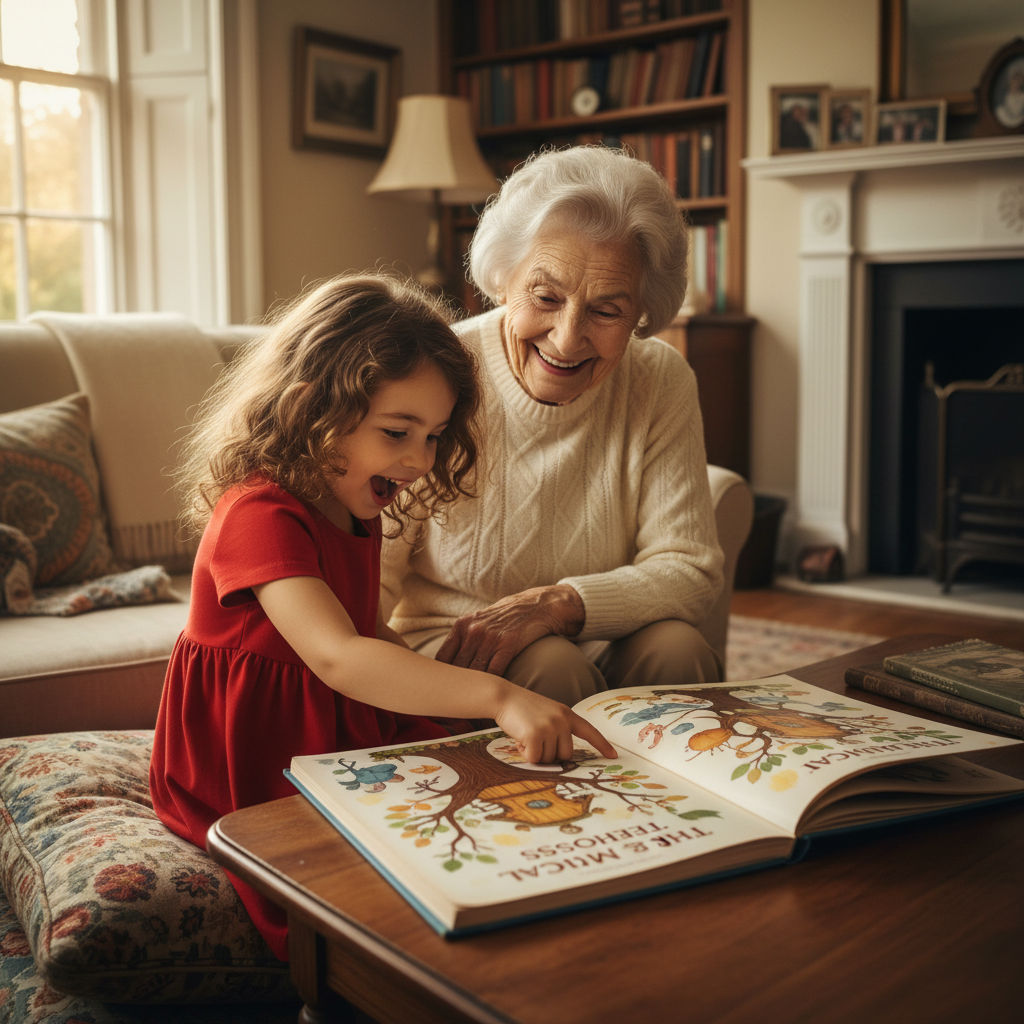
“Thank you for sharing this quiet moment of reading with us.”
Every piece in the MemContinuity library is preserved to spark gentle conversations, honor generational memory, and support the health and comfort of our families.
MemContinuity editorial team
MC-COMMUNITY-20260202-199 · Publication archive reference
Cross-device reading sync
Sign in to your MemContinuity account to optionally sync your article reading progress across your phone, tablet, and computer.
Themes & topics
Editorial guidance & care
Our publications are designed to be practical, gentle, and respectful. For specific medical, mobility, or travel arrangements, we recommend consulting local providers or relevant municipal services.
Related publications
 Community & Connection
The Repair Workshop: Fixing Broken Radios and Cherished Household Keepsakes
Volunteering retired mechanics and electricians to mend small appliances while forging warm local ties.
 Community & Connection
The Communal Table: How Community Soups Melt Loneliness on Cold Afternoons
Gathering around steaming stockpots in parish halls where everyone has a seat and a friendly smile.
 Community & Connection
Reading Buddies: The Mutual Joy of Seniors Listening to Schoolchildren Read
How thirty minutes of gentle patience boosts a child's reading fluency and fills an elder's week with joy.
Share the story
Family discussion cards
Take one card at a time. There are no right answers—only memories worth hearing.
What memory did this article bring to mind?
Who in the family might have a story or photograph to add?
What is one small thing we could save, share, or do next?
A quiet conversation can be a meaningful family keepsake.
Subscribe to MemContinuity Publications
Receive thoughtful reflections, local heritage guides, and slow travel stories delivered directly to your inbox. No spam, privacy respected.