The Village Classroom: Remembering Slate Boards, Inkwells, and Schoolyard Friendships
An interview roadmap for exploring one person’s school memories from the 1940s and 1950s, with open questions, consent-first recording, and careful preservation.
A compatible device voice is not available. You can still read this article on screen.
 Family Heritage
Detailed article
Use the text-size control at the top for larger text, or switch back to Easy Read at any time.
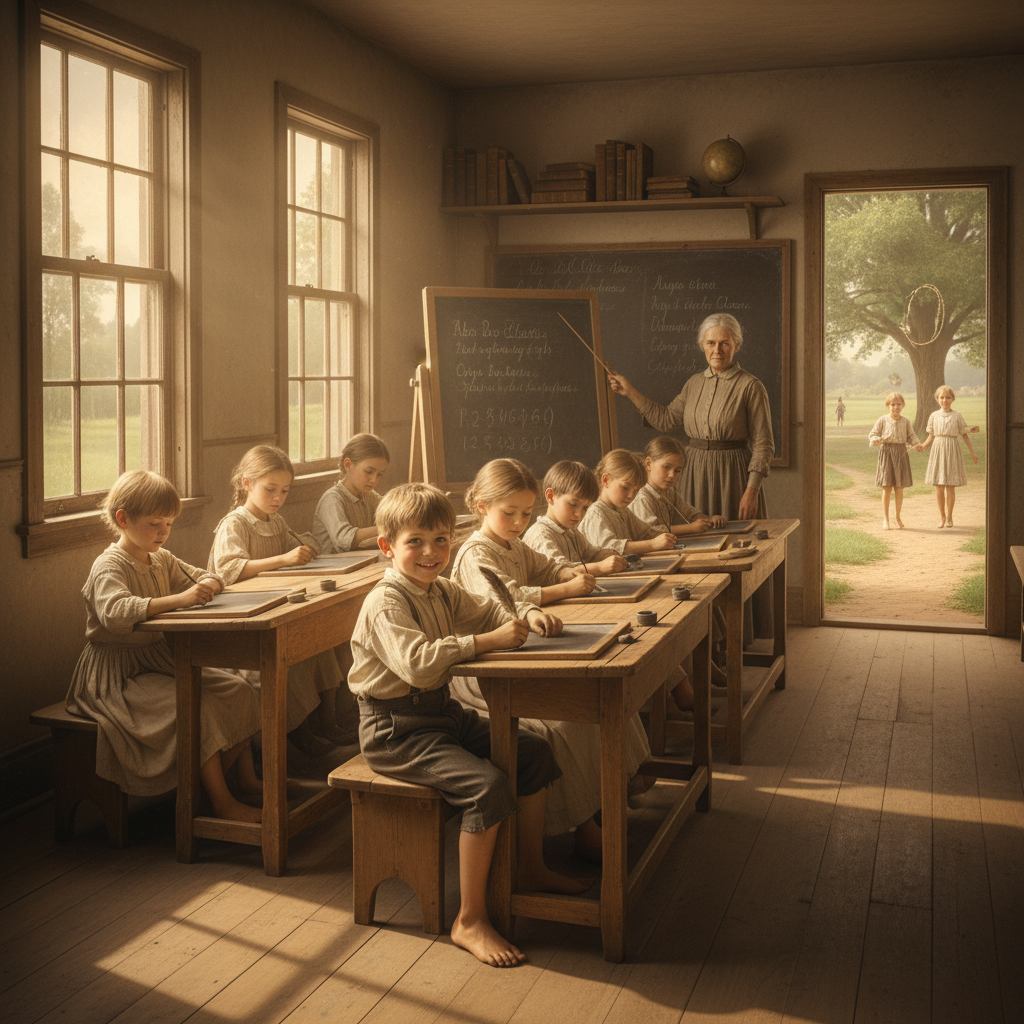
A school memory can begin with an object—the scratch of a slate pencil, a bottle of ink, a schoolbag—or with a route, a voice, or a game at the gate. Asking about school days in the 1940s and 1950s can preserve one person’s account of childhood while making room for the differences between households, schools, regions, and countries. This is an interview roadmap, not a claim that every village classroom looked alike.
Begin with the person, not the props
Before asking about a particular decade’s equipment, invite the narrator to place their school in their own story. Ask what they called the school, where it was, how old they were when they started, and which years they remember most clearly. If they attended more than one school, note the move and the approximate dates. A village, town, city, or rural district may have had its own arrangements; do not assume the word “village” means the same thing to everyone.
Start with open prompts such as, “Tell me about an ordinary school morning,” or, “What do you remember first when you picture your classroom?” Let the answer guide the next question. If the narrator is unsure of a date, record it as approximate rather than pressing for certainty.
The Smithsonian Archives describes oral history as a planned recorded interview that preserves a person’s recollections and perspective. Its guidance recommends preparation, open-ended questions, attentive listening, and respect for the narrator’s pace. Memories are valuable first-person evidence of experience, but a recollection should not automatically be treated as proof of every date or event. Where a factual detail matters, compare it later with documents or other independent accounts.
Ask about the classroom through its details
School objects can help a conversation become concrete. Ask what pupils used for writing and drawing, whether they remember paper, exercise books, pencils, pens, ink, or a slate, and how those materials were supplied or cared for. Do not presume that everyone used slate boards or dip pens. The Smithsonian National Museum of American History’s collection includes classroom supplies from different periods, and its account describes slates as part of a longer history of American education. That collection is a useful example, not a template for every school in the 1940s or 1950s.
If the narrator recalls a slate, invite description before supplying labels: Was it carried by hand or kept at school? What did it feel or sound like? What was used to write on it, and how was the surface cleaned? If they mention ink, ask what kind of pen they remember and whether it was used for daily work or a particular exercise. A correction—“Actually, we used pencils”—is valuable. Follow the memory rather than steering it toward the familiar image of an old-fashioned classroom.
Explore the wider room as the narrator remembers it: desks or benches, a board at the front, books, maps, heating, light, and the arrangement of pupils. Ask what subjects they studied and which tasks felt easy, difficult, dull, or absorbing. Avoid implying that strict discipline, a single teaching style, or a particular curriculum was universal.
Follow the route and the friendships
A school story often extends beyond the classroom. Ask how the child travelled there, whether the route changed with weather or season, and who accompanied them. Walking barefoot may be part of one person’s genuine recollection, but it should not be written as a general fact about rural childhood. Ask what the narrator wore and carried, what they noticed on the way, and what happened on the journey home. Let them decide which details matter.
Schoolyard memories can open a gentle path to friendship and play. “Who did you spend time with?” or, “What games do you remember choosing?” is less leading than naming a game and asking whether they played it. Ask how rules were agreed, where pupils played, and whether older and younger children mixed. Confirm spelling if they wish to identify someone, and consider privacy before recording details about living people.
Ask about teachers with room for mixed feelings. “What do you remember about the adults at school?” can invite stories of encouragement, humour, fear, fairness, or conflict without demanding praise or a dramatic account. If a painful memory emerges, do not probe for details simply because they seem historically interesting. Offer to pause, move on, or stop. A narrator may decline any question.
Make the interview comfortable and consensual
Explain the purpose of the conversation before recording. Agree how long it will last, how the recording may be stored or shared, and whether the narrator can review it or place limits on access. Oral History Association best-practice guidance emphasizes informed consent, clarity about preservation and use, open-ended preparation, and respecting a narrator’s right to refuse topics or request restrictions. A private family recording still deserves careful handling: permission to record is not automatically permission to publish it online or circulate it widely.
Choose a quiet, comfortable place and test the recording device beforehand. Ask permission again when recording begins. Ask one question at a time, allow pauses, and use follow-ups such as “Could you tell me more?” or “What happened next?” If fatigue sets in, take a break or finish early. The conversation need not produce a complete life history to be worthwhile.
A photograph, school report, exercise book, or family letter may help prompt memories if the narrator wants to use it. Let the person handle their own objects where possible, and do not treat an image or document as a test of memory. Keep distinctions clear: “the report card says” is different from “I remember.”
Preserve the account with context
Afterward, write down the interview date, place in general terms, participants’ names or chosen pseudonyms, and the subjects discussed. Keep the original recording intact and make more than one copy in separate locations. Store any transcript, notes, and related documents alongside it, with access limited to what the narrator agreed. If you share an excerpt, retain enough context to represent the speaker fairly and identify it as a recollection. Oral History Association guidance recommends planning for preservation and access, documenting agreements, and respecting restrictions.
These questions are invitations, not a scorecard. A person may remember sounds and feelings more readily than names or dates; another may prefer to look at a document or tell only one short story. There is no required “school-days” memory and no need to resolve every uncertainty in one sitting. The aim is to preserve what this individual chooses to tell, in their own words, with enough context and care that future listeners can understand both the memory and its limits.
Sources and Further Reading
Reading path
Continue this topic
Small, playful ways to share stories across generations—without turning family time into a history lesson.
Pillar guides in this path
A gentle next step
Keep a related family story
If this topic brings a family memory to mind, you can save it at your own pace.
“Thank you for sharing this quiet moment of reading with us.”
Every piece in the MemContinuity library is preserved to spark gentle conversations, honor generational memory, and support the health and comfort of our families.
MemContinuity editorial team
MC-HERITAGE-20260519-025 · Publication archive reference
Cross-device reading sync
Sign in to your MemContinuity account to optionally sync your article reading progress across your phone, tablet, and computer.
Themes & topics
Editorial guidance & care
Our publications are designed to be practical, gentle, and respectful. For specific medical, mobility, or travel arrangements, we recommend consulting local providers or relevant municipal services.
Related publications
 Family Heritage
Mapping Lost Streets: Recording Ancestral Neighborhoods and Childhood Pavement Games
A guide to interviewing parents about cobblestones, local tradespeople, street songs, and the geography of their early youth.
 Family Heritage
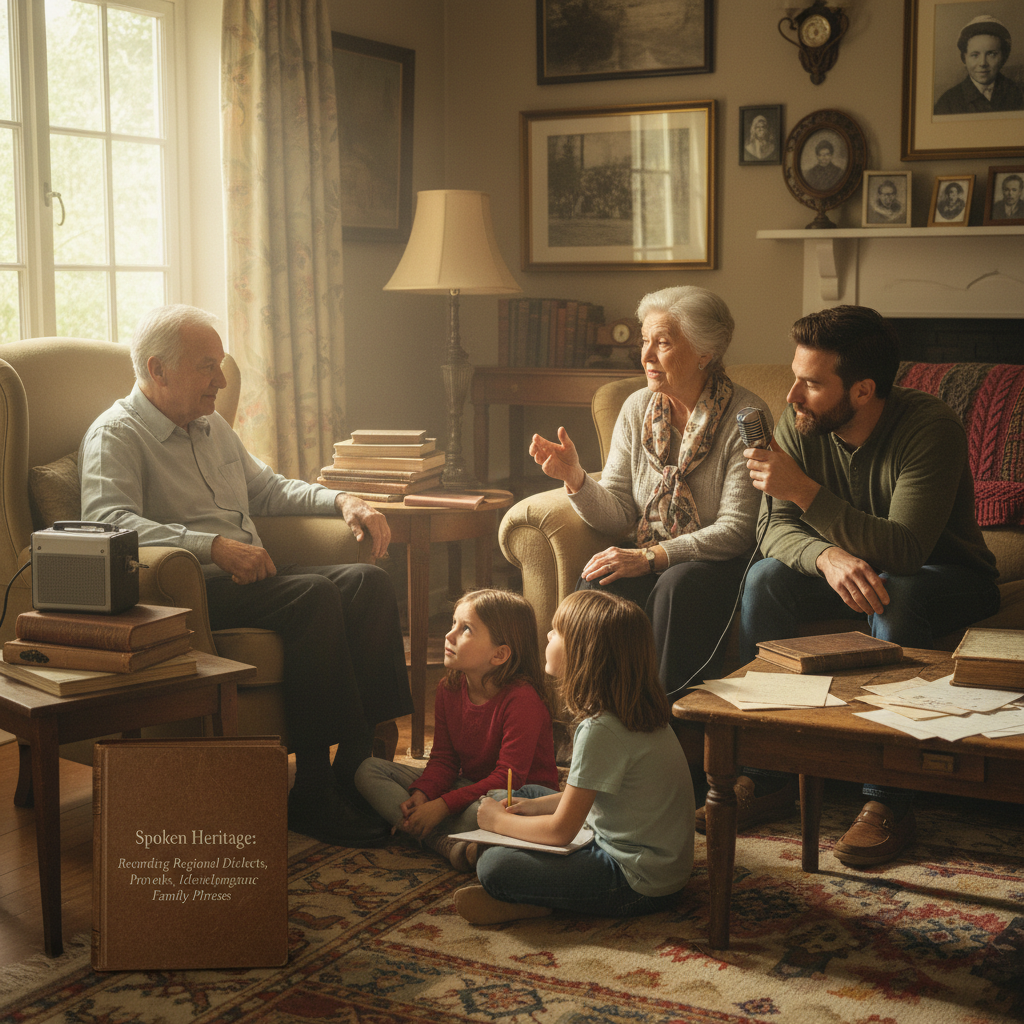
Spoken Heritage: Recording Regional Dialects, Proverbs, and Idiosyncratic Family Phrases
Why the peculiar sayings of our grandparents carry irreplaceable cultural texture that standard written histories miss.
 Family Heritage
Unlocking the Family Attic: Safely Handling Century-Old Trunks and Boxes
How to open forgotten heirloom chests without damaging crumbling paper, dried leather, or insect-damaged albums.
Share the story
Family discussion cards
Take one card at a time. There are no right answers—only memories worth hearing.
What memory did this article bring to mind?
Who in the family might have a story or photograph to add?
What is one small thing we could save, share, or do next?
A quiet conversation can be a meaningful family keepsake.
Subscribe to MemContinuity Publications
Receive thoughtful reflections, local heritage guides, and slow travel stories delivered directly to your inbox. No spam, privacy respected.