Intergenerational Gardening: Planting with Grandchildren
Plan a relaxed gardening session with grandchildren, from choosing manageable seeds to adapting the space and sharing the care as plants grow.
A compatible device voice is not available. You can still read this article on screen.
 Community & Connection
Detailed article
Use the text-size control at the top for larger text, or switch back to Easy Read at any time.
A small garden project, shared
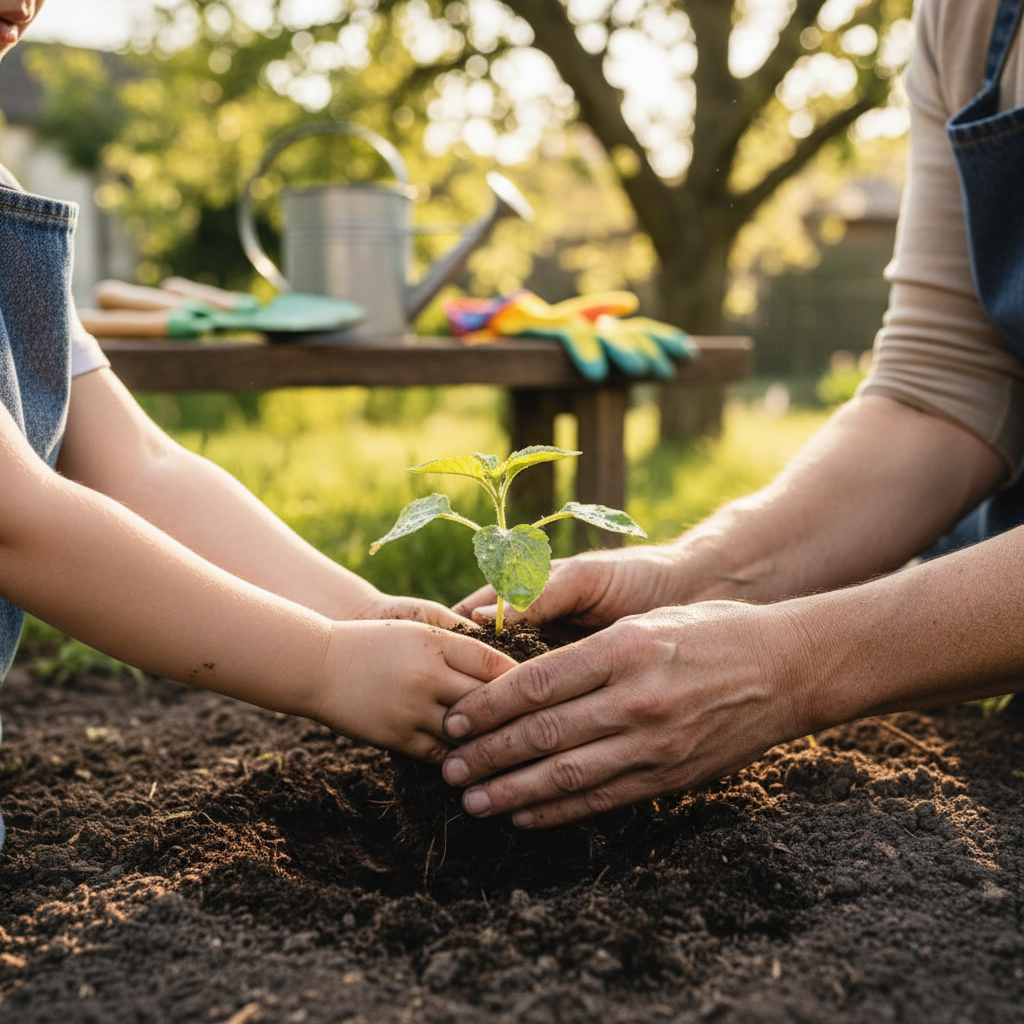
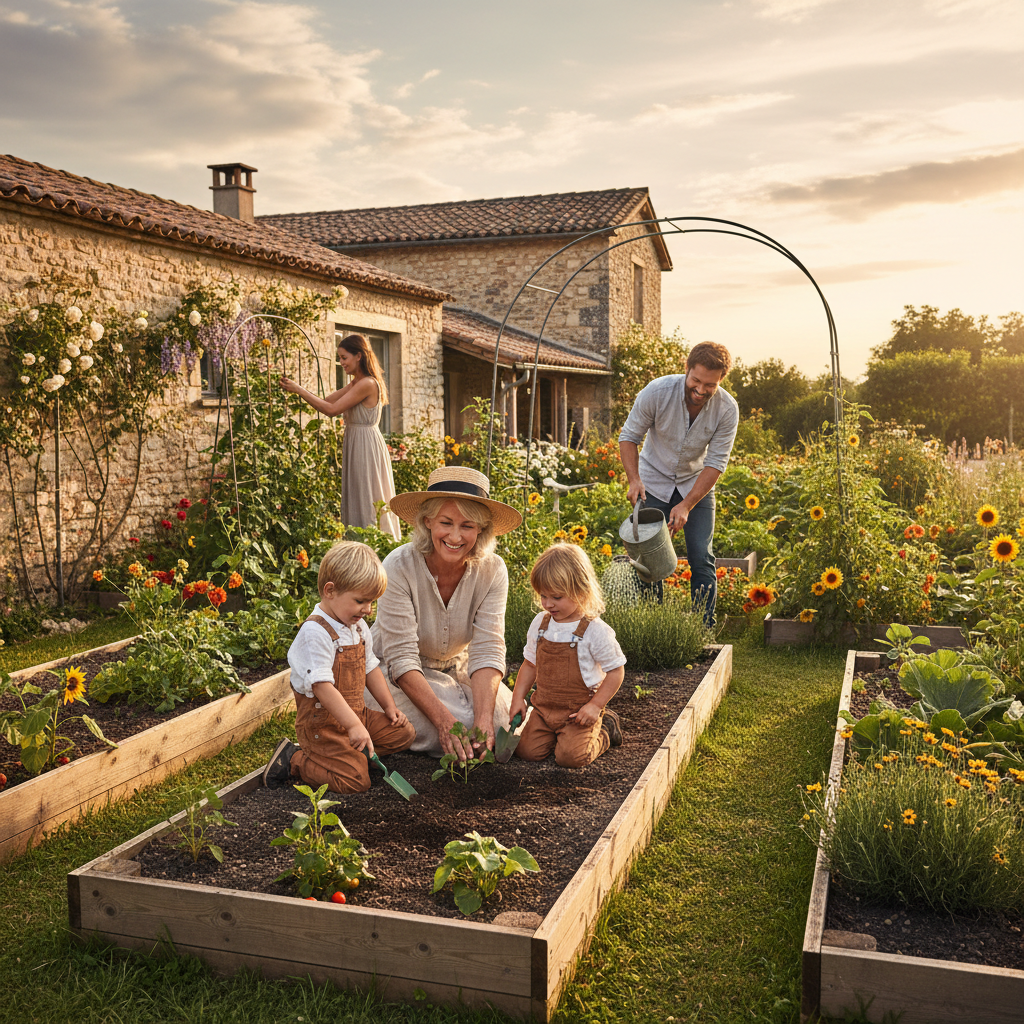
Planting something together gives grandparents and grandchildren a simple activity with a visible next step: choose a seed, prepare a pot or patch, and notice what changes over time. It does not need to become a large garden project. A few containers on a patio, balcony, doorstep, or sunny windowsill can be enough to begin. A shared garden can also be an allotment or community plot, provided the site welcomes children and its rules and access arrangements are clear.
The value is in making room for different kinds of participation. One person may enjoy planning and labeling; another may want to scoop compost, water, draw the plant, or simply watch. No one has to be especially knowledgeable, energetic, or ready to tell a family story. Let the plants provide a natural subject for conversation, not a test of anyone's memory or attention.
Choose a project that suits your space
Start by looking at the growing conditions rather than buying a large assortment of seeds. Consider how much light the spot receives, whether water is easy to reach, and how much time the group wants to spend on care. A sunny outdoor container can suit a compact tomato or a flowering annual, while a small bed can hold several crops. Follow the seed packet for sowing depth, spacing, and timing; these vary by crop and variety, and local weather matters. If you are unsure what grows well in your area, ask a local garden centre, community garden, or extension service.
University of Illinois Extension lists bush beans, tomatoes, peppers, and zucchini among warm-season crops for youth gardens, and sunflowers, marigolds, zinnias, and cosmos among easy-to-grow flowers. It also suggests quicker-maturing crops such as lettuce, radish, green onion, and kale. These are options, not guarantees: choose according to season, space, and the interests of the people taking part. Beans can offer a clear climbing or flowering plant to observe if you have room and suitable support. Cherry tomatoes may be rewarding to watch and pick, but they need appropriate conditions and regular care. A sunflower can become tall, so check the variety's eventual height and position it where it will not block a path. Illinois Extension's youth gardening guide offers further planning ideas.
If there is no outdoor space, try a pot of herbs or another suitable container plant by a bright window. Select plants for the actual light and temperature rather than assuming every windowsill is sunny enough. Use a pot with drainage where the plant requires it, and place it where spills will not make a walking route slippery.
Make the first session easy to finish
A useful first visit can be short and have one clear outcome. Gather a pot or prepared patch, suitable growing medium, seeds, water, a label, and a small hand tool if needed. Let the child help choose between two or three realistic options. Read the packet together, then share tasks: an adult can handle heavy bags or demonstrate; a child can place seeds, cover them as directed, or mark the label. Wash hands after handling soil and before eating, and keep tools put away when they are not being used.
Avoid turning the session into a lesson with too many instructions. A small number of seeds is easier to manage than filling every available pot. If a seed is planted too deeply or a label gets mixed up, treat it as a chance to observe and adjust rather than as a failure. Not every seed will germinate, and plants may be affected by weather, pests, or unsuitable conditions. Gardening with children works best when the plan allows for uncertainty.
Agree on the next check before everyone leaves. For example, decide who will look at the pot in a few days and how you will let the other person know what has changed. A dated notebook or a simple drawing can record the sowing and later observations. Illinois Extension suggests journals with notes, pictures, and drawings as part of youth garden projects. Keep the record light: a name, date, sketch, or photograph is enough if that is what everyone wants.
Adapt the garden so more people can take part
Gardening can involve bending, carrying, gripping, balancing, and staying outdoors, so adjust the setup to the people who will use it. Containers on a stable table or raised bed can reduce the need to kneel or reach low. Oklahoma State University Extension also describes container and vertical gardening, lightweight tools, and handles that are easier to grip. Oregon State University Extension recommends smooth, level paths, clear walkways, places to sit and rest, and tools suited to different needs. These are practical design ideas, not a promise that every raised bed or path will work for every person. Check the actual height, reach, turning room, surface, and mobility aid before settling on a location.
Keep hoses, bags, and tools out of the walking route. Place frequently used items close by, and avoid asking one person to carry a heavy watering can or bag of compost. A lightweight watering jug, a smaller pot, or help from another family member may be more comfortable. If a path is uneven or access is uncertain, consider bringing a pot to a safer, easier-to-reach spot instead. For public gardens and allotments, check entrance, toilet, seating, and path information ahead of time; access varies between sites.
Offer choices without assigning tasks by age or ability. A child may enjoy watering while an older relative tells them where the label goes; on another day they might trade roles. Someone who prefers not to touch soil can choose seeds, read instructions, keep the notebook, or notice changes in leaves and flowers. Resting or leaving early should be ordinary options. A plan that can pause is more welcoming than one that depends on everyone completing a fixed list.
Keep the connection going
The waiting between visits is part of the project. Ask open, low-pressure questions such as, “What looks different today?” or “Which plant would you choose next time?” If conversation wanders to a recipe, a garden from someone’s childhood, or a favourite flower, follow the interest without requiring a detailed recollection. Listening matters more than producing a keepsake. Ask permission before taking or sharing photographs or recording anyone's voice, and respect a no.
As the plant grows, the group can decide together whether to continue watering, add another pot, or simply enjoy what has already happened. If the first choice struggles, look at the packet and growing conditions before deciding whether to try again. The aim is not a perfect harvest or a polished garden. It is a manageable shared activity that leaves room for curiosity, different abilities, and the small satisfaction of caring for something together.
Sources and Further Reading
Reading path
Continue this topic
Small, playful ways to share stories across generations—without turning family time into a history lesson.
Pillar guides in this path
A gentle next step
Keep a related family story
If this topic brings a family memory to mind, you can save it at your own pace.
“Thank you for sharing this quiet moment of reading with us.”
Every piece in the MemContinuity library is preserved to spark gentle conversations, honor generational memory, and support the health and comfort of our families.
MemContinuity editorial team
MC-COMMUNITY-20260824-038 · Publication archive reference
Cross-device reading sync
Sign in to your MemContinuity account to optionally sync your article reading progress across your phone, tablet, and computer.
Themes & topics
Editorial guidance & care
Our publications are designed to be practical, gentle, and respectful. For specific medical, mobility, or travel arrangements, we recommend consulting local providers or relevant municipal services.
Related publications
 Community & Connection
A Table, a Game, a New Conversation
Why board-game afternoons and quiet community spaces are quietly reshaping companionship for older adults across local neighbourhoods.
 Community & Connection
The Intergenerational Café: Pairing Teenagers and Seniors for Story Exchanges
How youthful digital confidence and elder life wisdom complement each other in relaxed community spaces.
 Community & Connection
The Repair Workshop: Fixing Broken Radios and Cherished Household Keepsakes
Volunteering retired mechanics and electricians to mend small appliances while forging warm local ties.
Share the story
Family discussion cards
Take one card at a time. There are no right answers—only memories worth hearing.
What memory did this article bring to mind?
Who in the family might have a story or photograph to add?
What is one small thing we could save, share, or do next?
A quiet conversation can be a meaningful family keepsake.
Subscribe to MemContinuity Publications
Receive thoughtful reflections, local heritage guides, and slow travel stories delivered directly to your inbox. No spam, privacy respected.