Preserving Handwritten Letters and Postcards
A practical guide to handling, storing, digitizing, and sharing family letters and postcards while protecting fragile paper and respecting private stories.
A compatible device voice is not available. You can still read this article on screen.
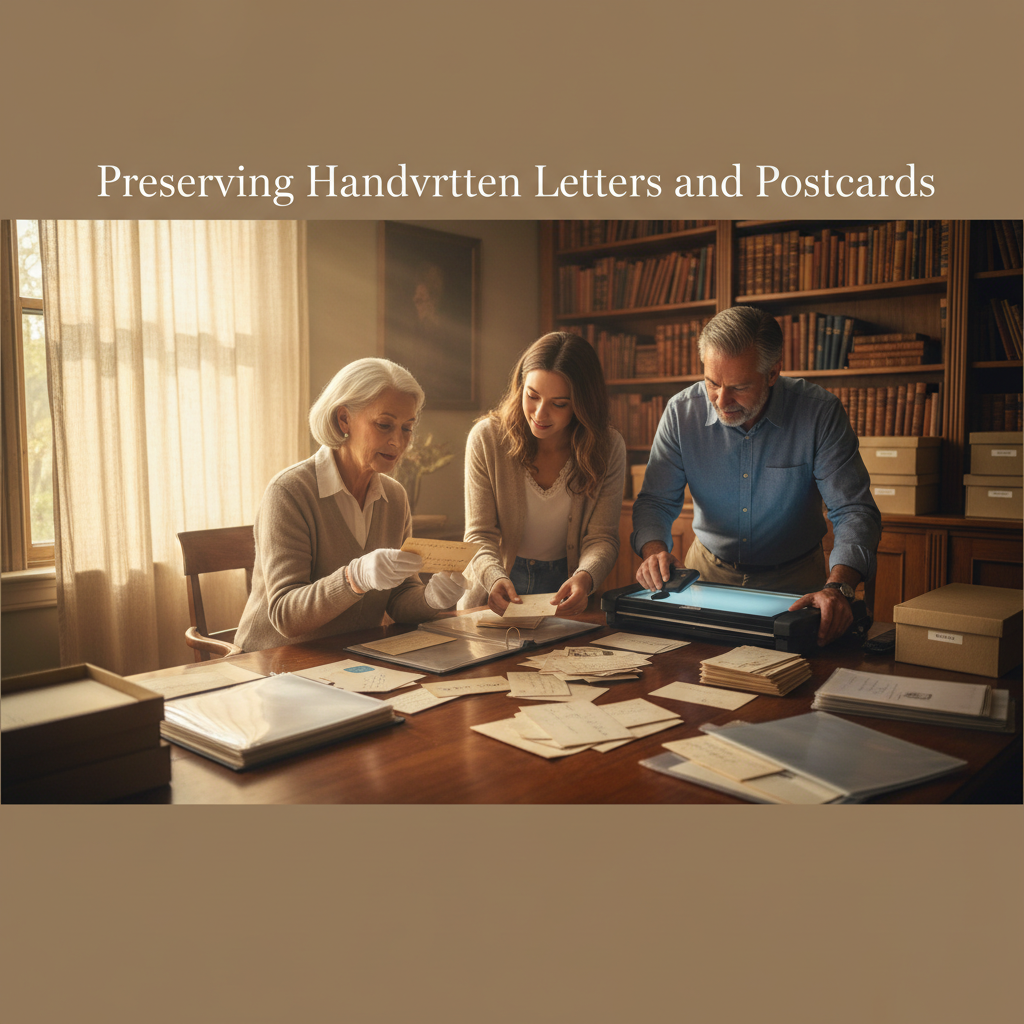 Family Heritage
Detailed article
Use the text-size control at the top for larger text, or switch back to Easy Read at any time.
Begin with a gentle pause
A handwritten letter or postcard is both a paper object and a message from a particular moment. The paper may be brittle, the ink may have faded, and the envelope may carry a postmark, address, or small clue about its journey. Preservation does not require elaborate equipment. The most useful first step is to slow down, make a clean work area, and avoid anything that could add stress to the sheet. For fragile or damaged items, careful storage is often safer than attempting a repair.
Before opening a box, think about what you hope to do. You might simply identify the senders, arrange the correspondence in a rough order, or make digital copies for relatives. Family papers can contain private or painful information; let the owner decide what to view, record, or share.
Prepare a safe place to handle papers
Choose a clean, dry table with enough room to support the whole letter. Keep food, drinks, smoking materials, and pens away from the work surface. Wash and dry your hands, and avoid hand lotion before handling paper. The National Archives advises clean, lotion-free hands for paper; gloves can make delicate sheets harder to control. Photographs and negatives are different: fingerprints can leave lasting marks, so follow the specific advice for those materials. National Archives handling guidance
Work with a small group at a time. Lift a sheet with both hands or slide a support beneath it. If it is stuck, brittle, or resists opening, stop rather than force it flat. Keep each envelope with its letter; NEDCC recommends this and cautions against forcing fragile folds open. NEDCC paper storage and handling
Use a soft pencil on a separate paper note to record a name or sequence; do not write directly on an original. Avoid paper clips, pins, rubber bands, sticky notes, self-adhesive tape, and household glue. These can snag, stain, corrode, or become difficult to remove. Even a seemingly small repair can pull away ink or fibres later. The Library of Congress specifically advises against clips, fasteners, rubber bands, tape, and glue on works on paper. Library of Congress paper care
Choose simple, supportive storage
For everyday family collections, use folders and boxes made for archival storage: acid-free and lignin-free, sized so sheets lie flat without bending or sliding about. Keep similar sizes together. Do not cram a box full; pressure can crease or tear pages when they are removed. If a folder contains a mix of loose sheets, arrange it so none protrudes beyond the support. Postcards can be kept in suitable individual sleeves or folders, but avoid any sleeve that is too tight or requires forcing the card inside.
Clear polyester sleeves can support fragile sheets, but they are not universal: static may lift powdery media or flaking material. Some inks and media may also be sensitive to alkaline-buffered enclosures. For a glossy, coated, or flaking postcard, consult a paper conservator before using plastic.
Store the box in a cool, reasonably dry, stable part of the home. Avoid attics that become hot, damp basements, garages, direct sunlight, radiators, vents, and places vulnerable to plumbing or roof leaks. Keep it off the floor and away from food that may attract insects or rodents. Do not chase a precise humidity target with improvised equipment: avoiding dampness and large environmental swings is a practical starting point. The National Archives warns that very low relative humidity can also make materials brittle, so “drier” is not always better. National Archives storage guidance
Light can fade paper and ink. Store originals in a closed enclosure; if you want a letter on view, display a copy instead.
Make digital copies without risking the original
A digital image can make a letter easier to read and share without repeatedly handling the paper. It does not replace the original, which may hold details a scan misses: paper texture, an embossed stamp, a faint postmark, or the reverse side. Keep the source item after scanning and label the copy so a later reader knows which letter it represents.
For a flatbed scanner, first check that the whole postcard or letter fits on the glass. Do not press down a lid if it would crush, bend, or crease the paper. Never feed a fragile, weak, bent, or valuable original through an automatic document feeder; a jam could tear it. If the item is too large or delicate for safe home scanning, photograph it with a camera from above or ask an archive, library, or conservator about a suitable method. The National Archives advises that originals remain in the collection and that automatic-feed scanners are unsuitable for fragile papers. Digitizing family papers
Capture both sides when relevant, include the entire item, and keep the image in focus. Save a high-quality master before making smaller sharing copies. Use consistent filenames, such as 1948-06-12-from-Ada-front, only when details are known; otherwise use a neutral identifier. Record uncertain dates or places as uncertain rather than turning family guesses into facts.
Store more than one copy of important digital files in separate places, such as a computer and an external drive, with another copy kept off-site or in a trusted online account. Check occasionally that the files still open. Share links or files only with people who have permission to see the correspondence. Digital copies are easier to forward than paper, so consider whether addresses, personal details, or sensitive passages should be obscured in a sharing copy. Keep an unaltered preservation master private.
When to seek specialist help
If paper is wet, actively mouldy, insect-damaged, badly torn, stuck together, or shedding flakes, avoid cleaning, flattening, taping, or separating it yourself. Keep a damaged item from direct contact with healthy papers and seek prompt guidance from a paper conservator or an established preservation service. Do not use household cleaners, adhesive repairs, or heat. The National Archives recommends contacting a conservator when safe storage and handling cannot address the problem, and notes that wet or actively pest-infested materials need quick attention. National Archives repair guidance
Ask a conservator about paper-document experience and assessment options. Treatment may not be necessary: a crease or faded ink can remain part of the object’s history.
A small family archive, at your own pace
A first session can involve only a few letters. House them with their envelopes, record what you can identify, and ask before recording or sharing anyone’s story. A simple sequence, careful scans, and stable storage can help relatives find the correspondence without requiring anyone to explain every detail.
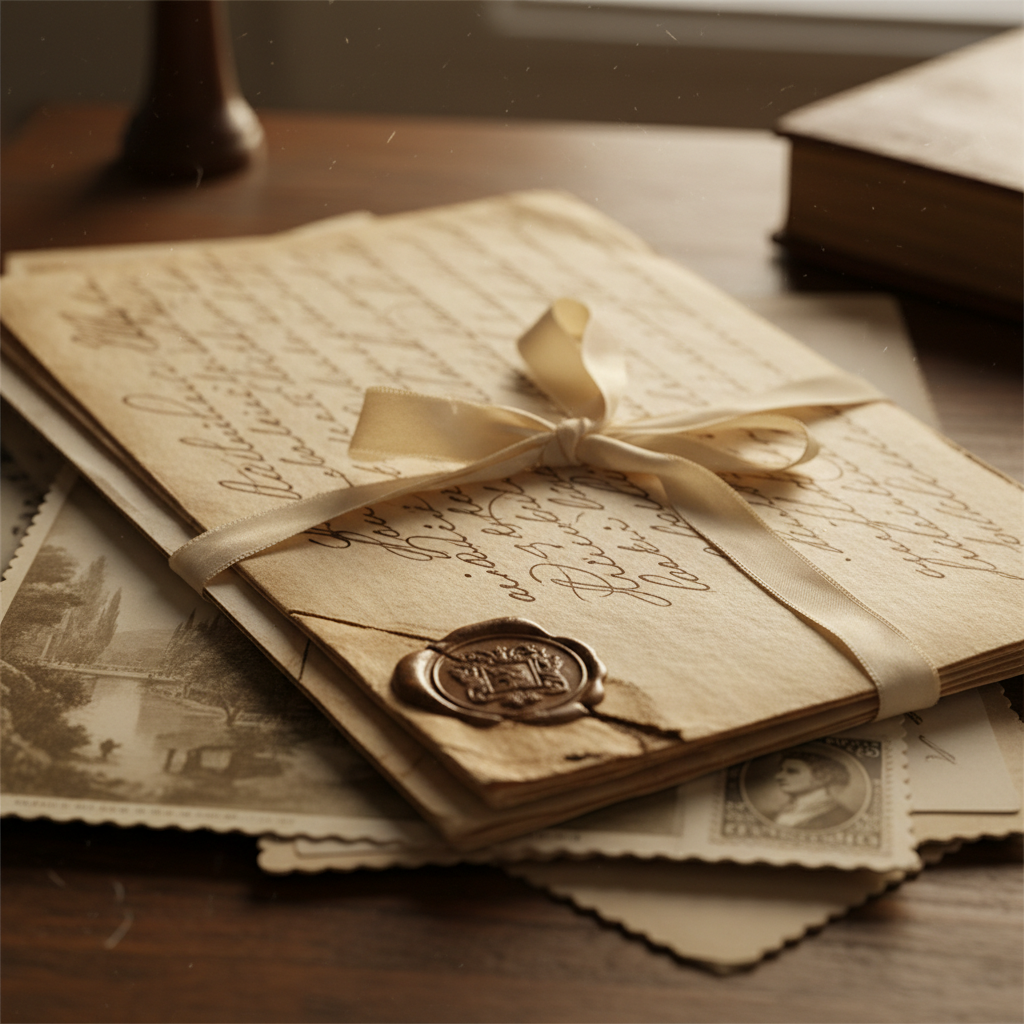
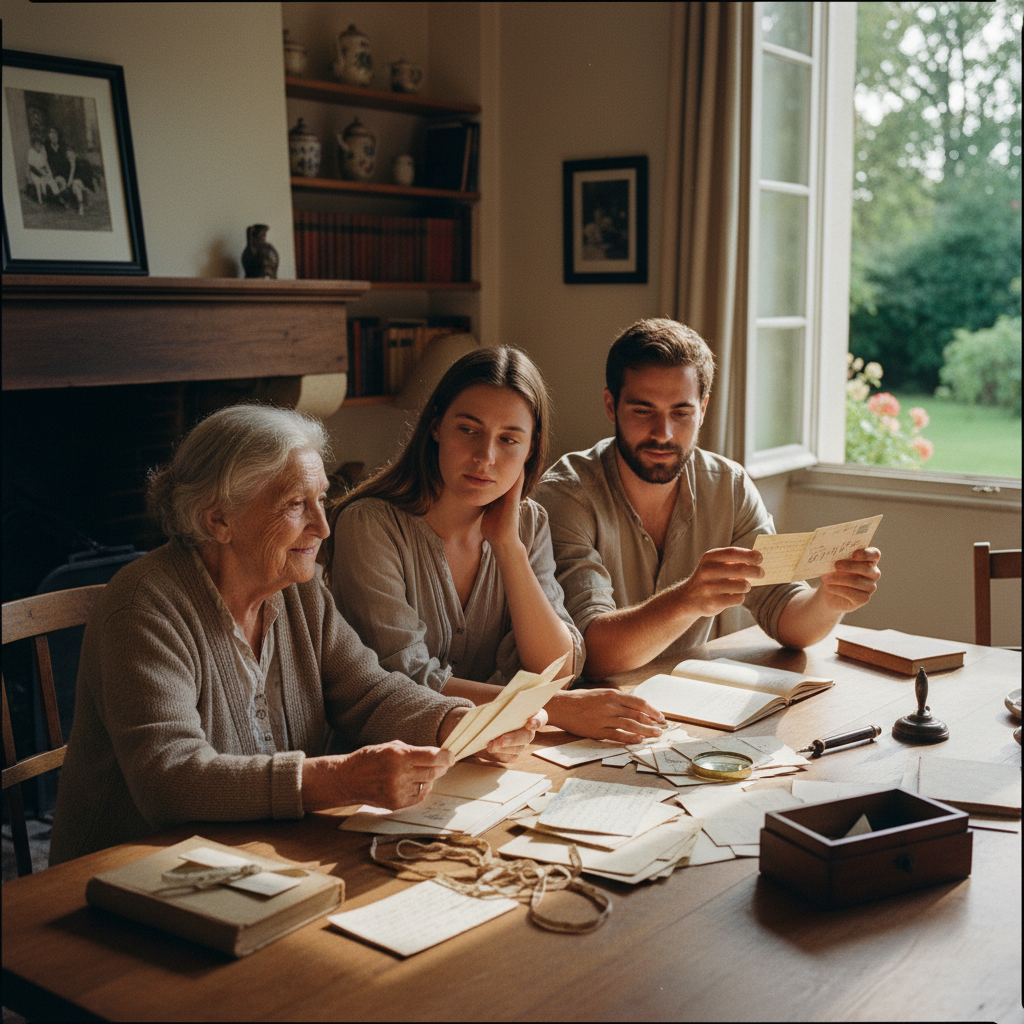
Reading path
Continue this topic
Practical, unhurried steps for looking after photographs, letters, and treasured objects without feeling overwhelmed.
Pillar guides in this path
A gentle next step
Keep a related family story
If this topic brings a family memory to mind, you can save it at your own pace.
“Thank you for sharing this quiet moment of reading with us.”
Every piece in the MemContinuity library is preserved to spark gentle conversations, honor generational memory, and support the health and comfort of our families.
MemContinuity editorial team
MC-HERITAGE-20260920-011 · Publication archive reference
Cross-device reading sync
Sign in to your MemContinuity account to optionally sync your article reading progress across your phone, tablet, and computer.
Themes & topics
Editorial guidance & care
Our publications are designed to be practical, gentle, and respectful. For specific medical, mobility, or travel arrangements, we recommend consulting local providers or relevant municipal services.
Continue with purpose
Part of a curated reading journey
Related publications
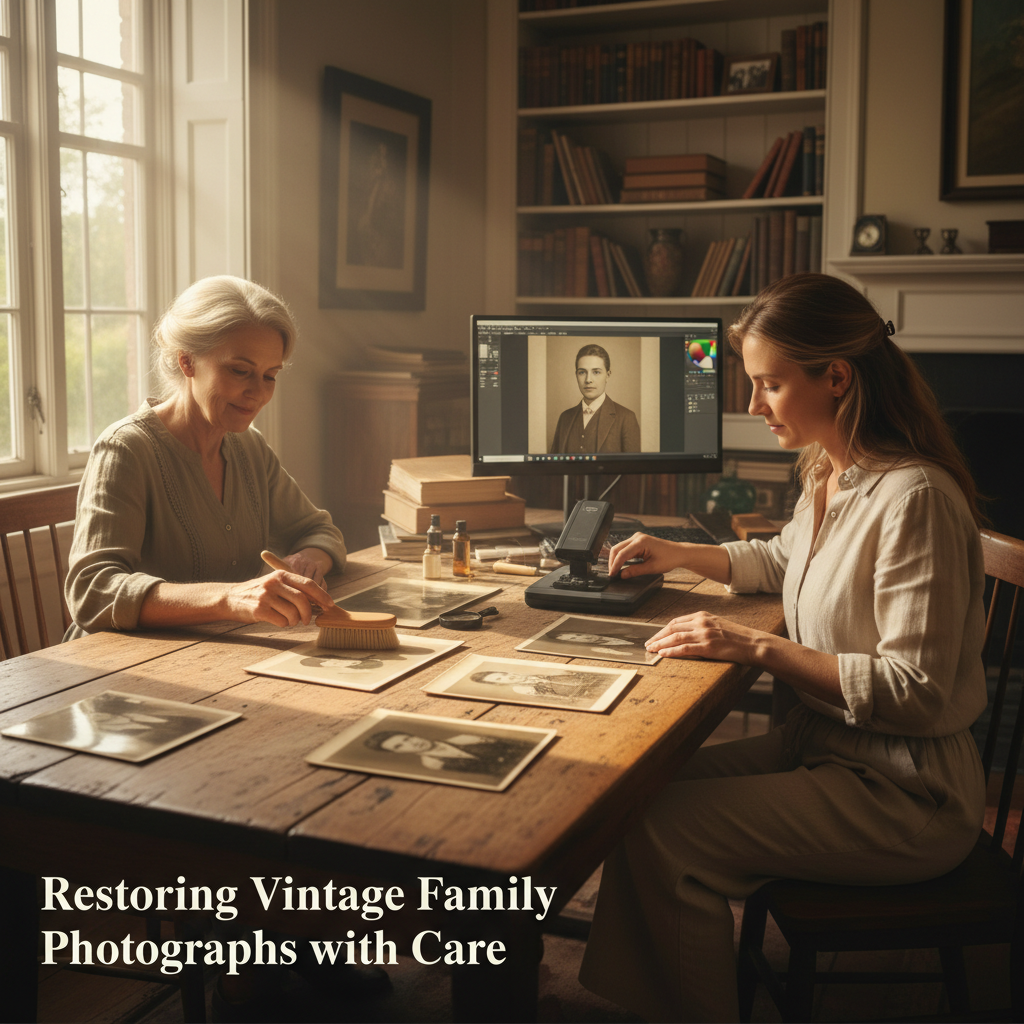 Family Heritage
Restoring Vintage Family Photographs with Care
How to dust, scan, and digitally retouch century-old portraits without compromising their authentic historical patina.
 Family Heritage
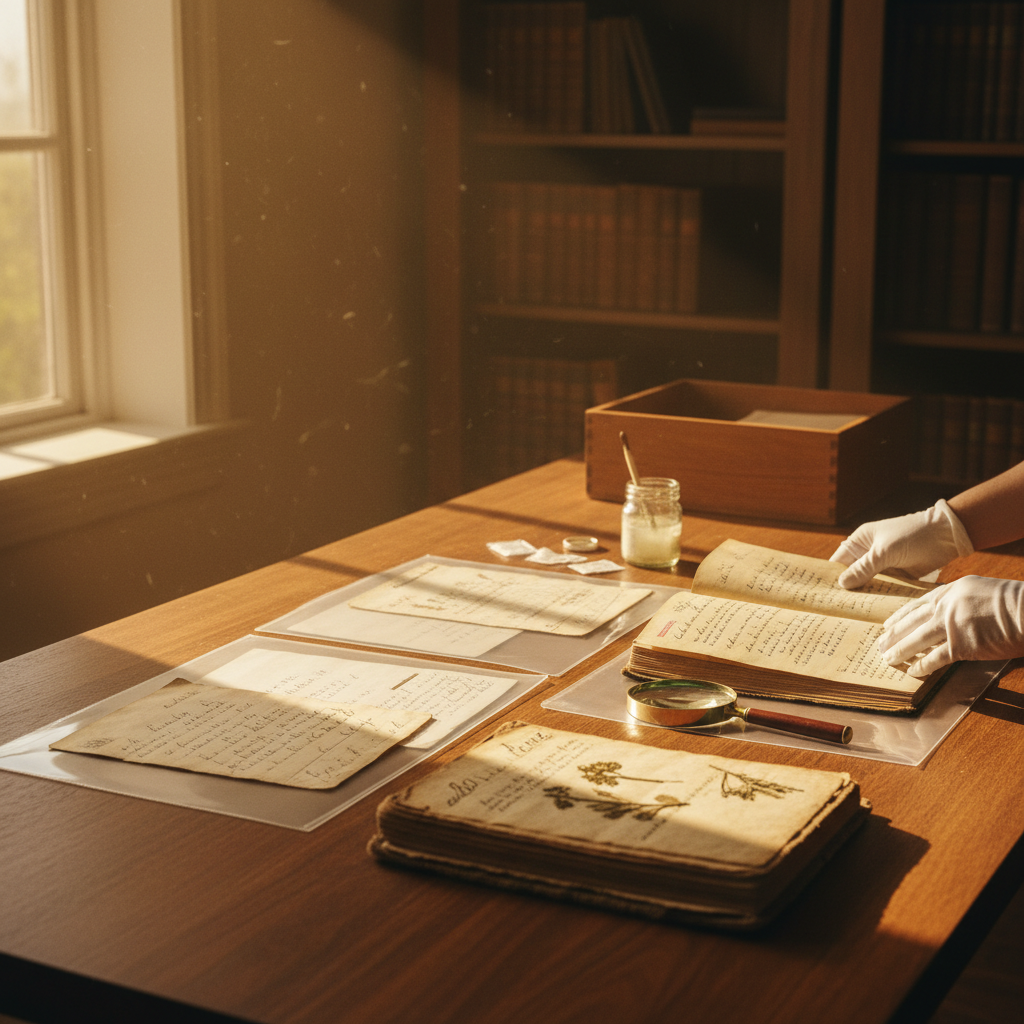
Ink on Paper: Preserving Fragile Handwritten Family Letters and Grandmother’s Recipe Books
Practical archival methods for halting ink degradation, acid migration, and insect damage in treasured family correspondence.
 Family Heritage
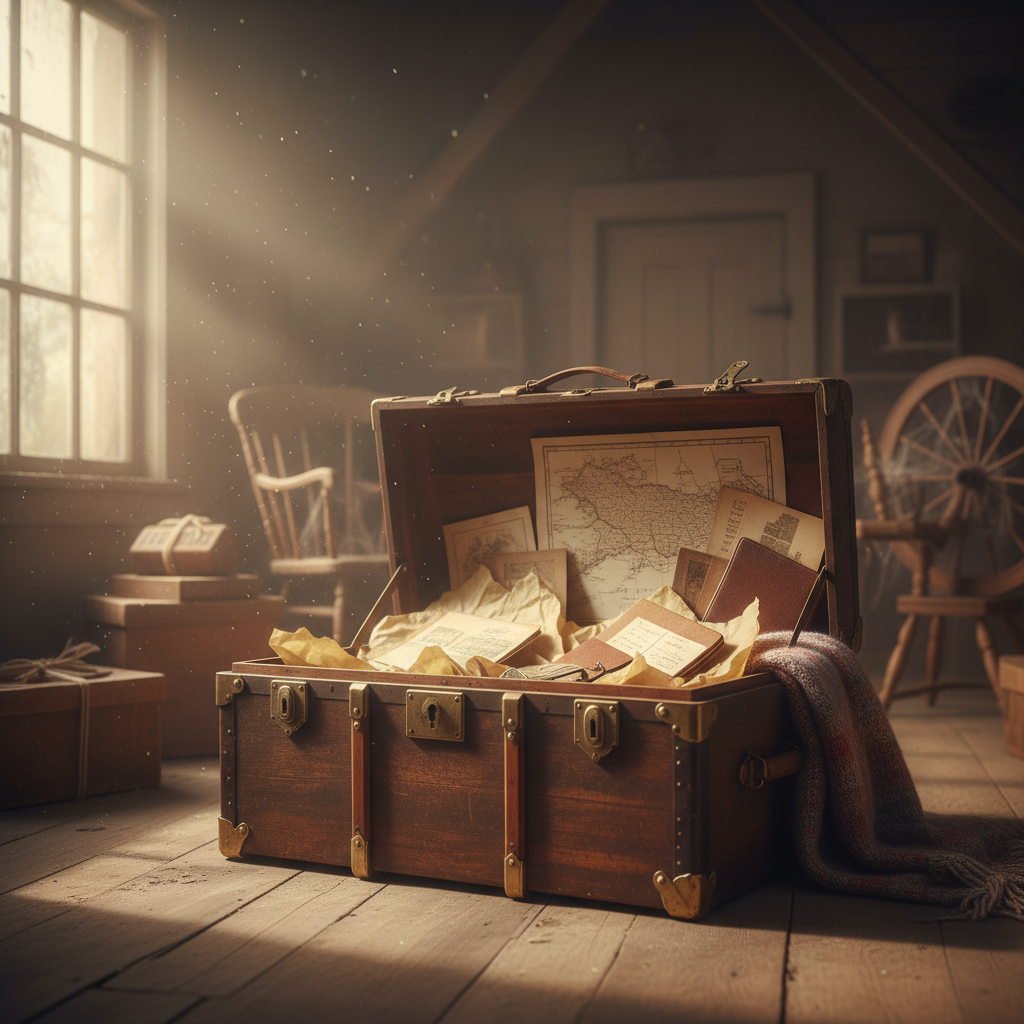
Unlocking the Family Attic: Safely Handling Century-Old Trunks and Boxes
How to open forgotten heirloom chests without damaging crumbling paper, dried leather, or insect-damaged albums.
Share the story
Family discussion cards
Take one card at a time. There are no right answers—only memories worth hearing.
What memory did this article bring to mind?
Who in the family might have a story or photograph to add?
What is one small thing we could save, share, or do next?
A quiet conversation can be a meaningful family keepsake.
Subscribe to MemContinuity Publications
Receive thoughtful reflections, local heritage guides, and slow travel stories delivered directly to your inbox. No spam, privacy respected.